Tirzepatide 30mg
Dual GIP and GLP-1 receptor agonist studied for glycemic control, profound weight reduction, and metabolic health.
Mechanism
Acts as a dual agonist at both GIP and GLP-1 receptors to augment glucose-dependent insulin secretion, suppress glucagon release, delay gastric transit, and attenuate central appetite pathways.
Dosing
Standard experimental protocols initiate administration at 2.5 mg once weekly for four consecutive weeks prior to dose escalation.
Reconstitution
Reconstituting a 30 mg vial with 3.0 mL of bacteriostatic water yields an operating concentration of 10 mg/mL (0.1 mg per U-100 syringe unit).
Storage
Store the lyophilized vial frozen at -20 °C, and refrigerate the reconstituted solution between 2 °C and 8 °C protected from light for 2 to 4 weeks.
Mix & measure Tirzepatide 30mg
Pre-filled with this protocol's recommended BAC water and documented starting dose — edit any field to run your own numbers.
Mix & measure Tirzepatide 30mg
Vial strength → BAC water → target dose
Total doses in vial: 12.0
U-100 syringe: 100 units = 1 mL
Reconstitution math only — not dosing advice. U-100 syringe: 100 units = 1 mL. Advanced calculator →
Dosing Chart
| Phase / Day(s) | Dose & Frequency | Volume (U-100 units / mL) |
|---|---|---|
| Weeks 1–4 | 2.5 mg once weekly | 25 units (0.25 mL) |
| Weeks 5–8 | 5.0 mg once weekly | 50 units (0.50 mL) |
| Weeks 9–12 | 7.5 mg once weekly | 75 units (0.75 mL) |
| Weeks 13–16 | 10.0 mg once weekly | 100 units (1.00 mL) |
Reconstitution Steps
- 1
Draw 3.0 mL of bacteriostatic water into a sterile syringe.
- 2
Introduce the diluent slowly down the interior glass wall of the 30 mg Tirzepatide vial to prevent agitation.
- 3
Gently swirl and rotate the vial until the lyophilized powder has completely dissolved, avoiding vigorous shaking.
- 4
Record the date of preparation on the vial label and store immediately at 2–8 °C shielded from light.
Supplies Needed


Peptide Vial
Lyophilized Tirzepatide (30 mg) intended for laboratory reconstitution and study.


Insulin Syringes (U-100)
Calibrated 1 mL syringes utilized for precise volume measurement and once-weekly administration.


Bacteriostatic Water
Preserved sterile diluent required to reconstitute the peptide cake into a 10 mg/mL solution.


Alcohol Swabs
Antiseptic wipes used to sanitize the vial rubber stopper and test site prior to withdrawal and injection.
Why researchers study it
Weight management and adiposity reduction
Glycemic regulation and insulin sensitivity
Appetite modulation and gastric emptying dynamics
Cardiometabolic risk factor improvement
These describe what is being studied, not proven benefits, approved uses, or promised results.
Overview
Tirzepatide is a synthetic dual-acting peptide engineered to co-activate both the glucose-dependent insulinotropic polypeptide (GIP) and glucagon-like peptide-1 (GLP-1) receptors. By stimulating both pathways synergistically, it influences systemic energy regulation, insulin sensitivity, and satiety signaling far more effectively than single-incretin mimetics. In preclinical and clinical trials, the molecule has demonstrated substantial reductions in adiposity, marked improvements in glycemic parameters, and beneficial shifts in lipid profiles. Its extended elimination half-life of approximately six days supports steady therapeutic exposure with once-weekly administration models. This 30 mg presentation is commonly utilized in extended laboratory research cycles, offering sufficient peptide content to accommodate gradual multi-week dose titration without requiring frequent reconstitution of smaller vials.
References
- 1.Jastreboff et al., New England Journal of Medicine, 2022 — Once-weekly tirzepatide in participants with obesity (SURMOUNT-1)
- 2.le Roux et al., New England Journal of Medicine, 2023 — Tirzepatide 72-week weight management outcomes in the SURMOUNT program
- 3.Garvey et al., JAMA Network, 2023 — Tirzepatide efficacy, safety, and weight reduction metrics in clinical obesity trials
- 4.Frias et al., The Lancet, 2023 — Glycemic and weight outcomes with tirzepatide in type 2 diabetes
- 5.Nauck et al., Nature Reviews Endocrinology, 2024 — Dual GIP/GLP-1 receptor agonism in metabolic disease therapy
Supplies Needed
Suggested supplier
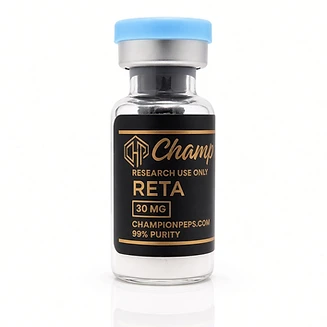
Research use only. Listing a supplier is not an endorsement of any protocol on this site, and nothing sold there is approved for human use.
Related protocols
View allGHRP-6 10mg
A synthetic hexapeptide growth hormone secretagogue and ghrelin receptor agonist investigated for appetite and pulsatile somatotropin release.
View ProtocolRetatrutide 60mg
First-in-class triple agonist targeting GLP-1, GIP, and glucagon receptors investigated for substantial weight reduction and metabolic control.
View ProtocolRetatrutide 20mg
First-in-class GLP-1/GIP/glucagon triple agonist studied in metabolic research for weight regulation and glycemic control.
View Protocol