Thymosin Beta-4 10mg
Endogenous 43-amino-acid peptide evaluated in preclinical models for actin regulation, dermal healing, and cardioprotective signaling.
Mechanism
Binds and sequesters monomeric G-actin to govern cytoskeletal dynamics, cell migration, downstream angiogenesis, and ILK/Akt-mediated survival pathways.
Dosing
Standard laboratory protocols initiate research with a conservative loading dose of 2 mg administered subcutaneously twice per week.
Reconstitution
Reconstituting a 10 mg vial with 2.0 mL of bacteriostatic water yields a finished working concentration of 5 mg/mL.
Storage
Store the unmixed lyophilized powder chilled or frozen shielded from illumination, and maintain the reconstituted liquid at 2 to 8 °C for up to 28 days.
Mix & measure Thymosin Beta-4 10mg
Pre-filled with this protocol's recommended BAC water and documented starting dose — edit any field to run your own numbers.
Mix & measure Thymosin Beta-4 10mg
Vial strength → BAC water → target dose
Total doses in vial: 5.0
U-100 syringe: 100 units = 1 mL
Reconstitution math only — not dosing advice. U-100 syringe: 100 units = 1 mL. Advanced calculator →
Dosing Chart
| Phase / Day(s) | Dose & Frequency | Volume (U-100 units / mL) |
|---|---|---|
| Loading (conservative) | 2 mg twice weekly | 40 units (0.40 mL) |
| Loading (upper reference) | 2.5 mg twice weekly | 50 units (0.50 mL) |
| Maintenance | 2 mg every 1–2 weeks | 40 units (0.40 mL) |
Reconstitution Steps
- 1
Thoroughly disinfect the rubber stoppers of both the Thymosin Beta-4 vial and bacteriostatic water vial using sterile alcohol wipes.
- 2
Draw 2.0 mL of bacteriostatic water into a sterile mixing syringe.
- 3
Insert the needle at a slight angle and introduce the diluent gently against the inner glass wall to prevent agitation of the lyophilized cake.
- 4
Carefully swirl the vial in circular motions until the lyophilized peptide is fully dissolved into a clear solution without shaking.
- 5
Affix a date label and place the reconstituted vial into refrigerated storage between 2 and 8 °C.
Supplies Needed


Peptide Vial
Contains 10 mg of lyophilized Thymosin Beta-4 research peptide.


Insulin Syringes (U-100)
Used for precise measurement and subcutaneous administration of research doses.


Bacteriostatic Water
Serves as the sterile diluent containing 0.9% benzyl alcohol for peptide reconstitution.


Alcohol Swabs
Ensures antiseptic preparation of vial stoppers and injection sites.
Why researchers study it
Dermal wound healing and collagen deposition
Cellular motility and angiogenic signaling
Cardiomyocyte survival and cardioprotection
Differentiation between full-length Tβ4 and synthetic actin-binding fragments
These describe what is being studied, not proven benefits, approved uses, or promised results.
Overview
Thymosin Beta-4 (Tβ4) is a ubiquitous, naturally occurring 43-amino-acid peptide that serves as the predominant monomeric G-actin sequestering molecule across mammalian systems. By buffering intracellular actin availability, it plays a fundamental role in directing cellular dynamics, structural reorganization, and motility critical for tissue remodeling. Unlike synthetic fragments commonly designated as TB-500, Tβ4 represents the intact parent peptide carrying multifaceted physiological actions throughout bodily systems. In investigative laboratory settings, external application of Tβ4 displays potent paracrine behaviors, stimulating angiogenesis, attenuating inflammatory cascades, and reducing fibrotic tissue generation. Much of the primary literature focuses on dermal repair assays in diabetic or aged models, alongside myocardial protection via integrin-linked kinase signaling pathways following ischemic trauma. Although subject to initial phase 1 and 2 human explorations for chronic ulcer healing and ophthalmic conditions, it remains exclusively an unapproved research compound without regulatory sanction for general clinical recovery.
References
- 1.Mannherz & Hannappel, Cell Motil Cytoskeleton, 2009 — The beta-thymosins: intracellular and extracellular activities of a versatile actin binding protein family
- 2.Bock-Marquette et al., Nature, 2004 — Thymosin beta4 activates integrin-linked kinase and promotes cardiac cell migration, survival and cardiac repair
- 3.Philp et al., Wound Repair Regen, 2003 — Thymosin beta 4 and a synthetic peptide containing its actin-binding domain promote dermal wound repair in db/db diabetic and aged mice
- 4.Kleinman & Sosne, Vitamins and Hormones, 2016 — Thymosin β4 Promotes Dermal Healing
- 5.Vasilopoulou et al., Expert Opin Biol Ther, 2015 — The role of thymosin-β4 in kidney disease
Supplies Needed
Suggested supplier
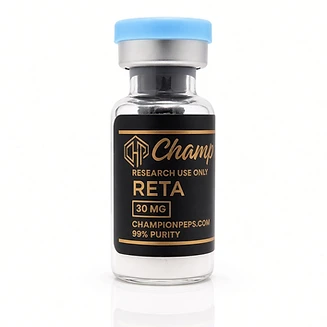
Research use only. Listing a supplier is not an endorsement of any protocol on this site, and nothing sold there is approved for human use.
Related protocols
View allSemaglutide 10mg
A long-acting GLP-1 receptor agonist investigated for metabolic regulation, glycemic parameters, and appetite suppression in laboratory research.
View ProtocolTeriparatide 10mg
Synthetic bioactive fragment of parathyroid hormone (1-34) investigated for its distinct bone-building anabolic properties.
View ProtocolL-Carnitine 200mg
An amino-acid derivative researched for mitochondrial fatty-acid shuttling, metabolic energy pathways, and exercise recovery dynamics.
View Protocol