Davunetide 5mg
An ADNP-derived octapeptide investigated in preclinical models for microtubule stabilization and tau mitigation.
Mechanism
Davunetide binds tubulin to promote microtubule assembly, enhance cytoskeletal stabilization, and attenuate tau hyperphosphorylation in neuronal models.
Dosing
There is no validated injectable starting dose in human trials, but laboratory reconstitution tables provide 0.5 mg as a baseline reference increment.
Reconstitution
Adding 2 mL of bacteriostatic water to a 5 mg vial yields a final reference concentration of 2.5 mg/mL.
Storage
Store the lyophilized vial protected from light at 2–8 °C, and maintain the reconstituted liquid refrigerated without ever freezing.
Mix & measure Davunetide 5mg
Pre-filled with this protocol's recommended BAC water and documented starting dose — edit any field to run your own numbers.
Mix & measure Davunetide 5mg
Vial strength → BAC water → target dose
Common vial sizes
Label claim
Total doses in vial: 10.0
U-100 syringe: 100 units = 1 mL
Need supplies for this protocol?
Research-grade peptides, fast shipping, competitive pricing
Reconstitution math only — not dosing advice. U-100 syringe: 100 units = 1 mL. Advanced calculator →
Track my protocol
Log each dose, build a streak, and watch your progress through this protocol's schedule.
Dosing Chart
| Phase / Day(s) | Dose & Frequency | Volume (U-100 units / mL) |
|---|---|---|
| Reference Point 1 | 0.5 mg | 0.20 mL (20 units) |
| Reference Point 2 | 1.0 mg | 0.40 mL (40 units) |
| Reference Point 3 | 2.5 mg | 1.00 mL (100 units) |
| Full Vial Reference | 5.0 mg | 2.00 mL (200 units) |
Reconstitution Steps
- 1
Clean the rubber stoppers of both the Davunetide vial and the bacteriostatic water container using sterile alcohol swabs, letting them dry.
- 2
Draw exactly 2 mL of bacteriostatic water into an appropriate reconstitution syringe.
- 3
Insert the needle at a slight angle and direct the stream down the glass interior wall to prevent directly agitating the peptide powder.
- 4
Allow the solution to rest undisturbed for approximately 30 seconds to initiate passive dissolution.
- 5
Gently rotate the vial between your palms until fully dissolved, taking care never to shake or invert vigorously.
- 6
Confirm that the resulting solution is clear and particle-free before placing it into cold storage at 2–8 °C.
Supplies Needed


Peptide Vial
Lyophilized Davunetide powder vial containing 5 mg of active substance.


Insulin Syringes (U-100)
Sterile U-100 syringes utilized for precise measurement of volumetric increments.


Bacteriostatic Water
Sterile diluent containing 0.9% benzyl alcohol used to reconstitute the peptide cake.


Alcohol Swabs
Antiseptic prep pads for sanitizing vial tops and maintaining an aseptic field.
Why researchers study it
Microtubule stabilization and cytoskeletal dynamics
Tau hyperphosphorylation and axonal transport protection
ADNP-derived cellular neuroprotective mechanisms
Translational analysis of clinical trial outcomes
These describe what is being studied, not proven benefits, approved uses, or promised results.
Overview
Davunetide, historically designated as NAP or AL-108, represents an active eight-amino-acid segment (NAPVSIPQ) identified within activity-dependent neuroprotective protein (ADNP). ADNP is an integral regulatory factor in central nervous system embryogenesis and structural plasticity. In foundational laboratory models, this compact sequence exhibited notable cytoprotective qualities, buffering neuronal cultures against cellular stressors like amyloid-beta toxicity, oxidative burdens, and zinc-induced degradation. At the cellular level, research centers on Davunetide's capacity to interface with tubulin, thereby facilitating microtubule organization and preserving axonal transport cascades. Because aberrant tau phosphorylation and cytoskeletal disintegration are central hallmarks of specific neurodegenerative disorders, the peptide emerged as a primary candidate for mitigating tauopathic pathology. Despite robust laboratory observations, translational clinical assessments—including an extensive phase 2/3 trial targeting progressive supranuclear palsy—failed to achieve therapeutic endpoints when compared against placebo controls. In standard scientific discourse, human investigations relied exclusively on intranasal administration formulations, creating a clear disconnect from injectable laboratory vials currently circulated for basic research. As an investigational peptide without regulatory endorsement, Davunetide remains strictly an experimental tool to evaluate cytoskeletal stability, ADNP functional biology, and microtubule dynamics in strictly controlled laboratory environments.
References
- 1.Gozes et al., CNS Drug Reviews, 2005 — NAP: research and development of a peptide derived from activity-dependent neuroprotective protein (ADNP)
- 2.Gozes et al., Current Alzheimer Research, 2009 — Addressing Alzheimer's disease tangles: from NAP to AL-108
- 3.Javitt et al., Schizophrenia Research, 2011 — Effect of the neuroprotective peptide davunetide (AL-108) on cognition and functional capacity in schizophrenia
- 4.Boxer et al., The Lancet Neurology, 2014 — Davunetide in patients with progressive supranuclear palsy: a randomised, double-blind, placebo-controlled phase 2/3 trial
- 5.Oz, Ivashko-Pachima & Gozes, PLoS ONE, 2012 — The ADNP-derived peptide NAP modulates the tubulin pool: implication for neurotrophic and neuroprotective activities
- 6.Magen & Gozes, Neuropeptides, 2013 — Microtubule-stabilizing peptides and small molecules protecting axonal transport and brain function: focus on davunetide (NAP)
- 7.Galushkin & Gozes, Advanced Drug Delivery Reviews, 2025 — Intranasal NAP (davunetide): neuroprotection and circadian rhythmicity
Supplies Needed
Suggested supplier
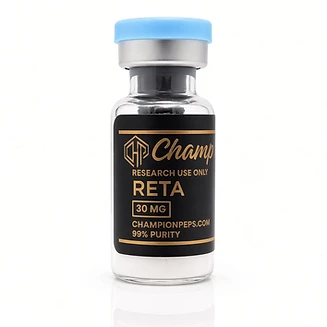
Research use only. Listing a supplier is not an endorsement of any protocol on this site, and nothing sold there is approved for human use.
Related protocols
View allAra-290 16mg
Ara-290 is an EPO-derived peptide targeting the innate repair receptor for neuroprotection, tissue repair, and neuropathic pain research.
View ProtocolOxytocin 10mg
Endogenous nonapeptide neurohormone studied for its impact on social cognition, pair bonding, anxiety pathways, and sexual function.
View ProtocolSemaglutide 5mg
Synthetic GLP-1 receptor agonist studied for glycemic regulation, delayed gastric motility, and metabolic weight management pathways.
View Protocol