BPC-157 10mg
A 15-amino-acid synthetic peptide researched in preclinical models for soft-tissue recovery, angiogenesis, and gastrointestinal protection.
Mechanism
Promotes cellular migration, tissue repair, and angiogenic pathway activation via the modulation of VEGFR2-Akt-eNOS signaling networks.
Dosing
Preclinical models and reference literature document an introductory administration benchmark of 300 mcg daily.
Reconstitution
Adding 3.0 mL of bacteriostatic water yields an approximate working concentration of 3,333 mcg/mL.
Storage
Store the lyophilized vial at -20°C shielded from light, and maintain the reconstituted liquid at 2–8°C for up to 30 days.
Mix & measure BPC-157 10mg
Pre-filled with this protocol's recommended BAC water and documented starting dose — edit any field to run your own numbers.
Mix & measure BPC-157 10mg
Vial strength → BAC water → target dose
Common vial sizes
Label claim
Total doses in vial: 33.3
U-100 syringe: 100 units = 1 mL
Need supplies for this protocol?
Research-grade peptides, fast shipping, competitive pricing
Reconstitution math only — not dosing advice. U-100 syringe: 100 units = 1 mL. Advanced calculator →
Track my protocol
Log each dose, build a streak, and watch your progress through this protocol's schedule.
Dosing Chart
| Phase / Day(s) | Dose & Frequency | Volume (U-100 units / mL) |
|---|---|---|
| Weeks 1–4 | 300 mcg (1× daily) | ~9 units (0.09 mL) |
| Weeks 5–8 | 500 mcg (1× daily) | ~15 units (0.15 mL) |
Reconstitution Steps
- 1
Draw 3.0 mL of bacteriostatic water using a sterile syringe.
- 2
Introduce the liquid slowly down the inner glass wall of the peptide vial to prevent excessive agitation.
- 3
Swirl and roll the vial gently until the cake is fully dissolved, avoiding vigorous shaking.
- 4
Record the preparation date on the container label.
- 5
Refrigerate immediately between 2°C and 8°C in a light-protected environment.
Supplies Needed


Peptide Vial
Lyophilized BPC-157 10 mg compound container.


Insulin Syringes (U-100)
Single-use 1 mL syringes calibrated for precise fluid measurement.


Bacteriostatic Water
Sterile diluent preserved with 0.9% benzyl alcohol for dissolving the lyophilized powder.


Alcohol Swabs
Antiseptic prep pads for sanitizing vial stoppers and injection sites.
Why researchers study it
Investigation of soft-tissue and tendon healing acceleration
Gastrointestinal mucosal integrity and cytoprotection
Endothelial growth and angiogenesis pathway activation
Preclinical modulation of localized inflammatory responses
These describe what is being studied, not proven benefits, approved uses, or promised results.
Overview
BPC-157, chemically termed Body Protection Compound-157, is a synthetic peptide consisting of fifteen amino acids derived from a naturally occurring protective sequence isolated from human gastric secretions. In scientific literature, it is widely utilized to investigate musculoskeletal repair mechanisms, microvascular remodeling, and systemic cytoprotection. Preclinical evaluations have consistently demonstrated its potential to accelerate healing timelines across various tissue types, including tendons, ligaments, skeletal muscle, and mucosal structures. Research models suggest that its regenerative effects operate largely independently of growth hormone pathways, distinguishing it from conventional secretagogues and signaling compounds. While preclinical findings demonstrate extensive regenerative capacity, the peptide remains an investigational chemical without human therapeutic approval. Laboratory protocols focus predominantly on exploring its stability, local cellular migration, and modulation of growth factor networks in controlled experimental settings.
References
- 1.Klicek R et al., Journal of Pharmacological Sciences, 2013 — BPC-157 modulates the NO-system and promotes healing in rat models
- 2.Sikiric P et al., World Journal of Gastroenterology, 2015 — Pentadecapeptide BPC-157: from the GI tract to whole-body cytoprotection
- 3.Sikiric P et al., Current Pharmaceutical Design, 2014 — Stable gastric pentadecapeptide BPC-157 in wound healing and tissue repair
- 4.Seiwerth S et al., Life Sciences, 2020 — BPC-157 and angiogenic growth factors in gastrointestinal healing
- 5.Chang CH et al., Journal of Orthopaedic Research, 2011 — BPC-157 promotes tendon-to-bone healing in rotator-cuff models
- 6.Vasireddi N et al., HSS Journal, 2025 — Emerging use of BPC-157 in orthopaedic sports medicine systematic review
- 7.Józwiak M et al., Pharmaceuticals, 2025 — Multifunctionality and possible medical application of BPC-157
- 8.NCT02637284, ClinicalTrials.gov, 2016 — Phase I safety and pharmacokinetics trial of oral BPC-157
Supplies Needed
Suggested supplier
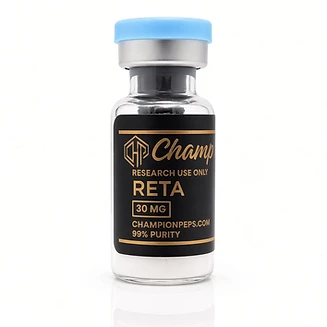
Research use only. Listing a supplier is not an endorsement of any protocol on this site, and nothing sold there is approved for human use.
Related protocols
View allMOTS-C 40mg
A mitochondrial-derived peptide studied for AMPK activation, glucose homeostasis, lipid oxidation, and exercise-mimetic potential.
View ProtocolMOTS-C 5mg
Mitochondrial-derived peptide investigated for AMPK signaling activation, metabolic regulation, and age-related physical performance.
View ProtocolBPC-157 5mg
Synthetic gastric pentadecapeptide investigated in preclinical models for soft tissue repair, gut cytoprotection, and angiogenesis.
View Protocol