BPC-157 5mg
Synthetic gastric pentadecapeptide investigated in preclinical models for soft tissue repair, gut cytoprotection, and angiogenesis.
Mechanism
Modulates nitric oxide synthesis, upregulates VEGFR2-driven angiogenesis, and enhances fibroblast collagen synthesis to accelerate tissue repair and suppress inflammatory cytokines.
Dosing
Standard laboratory protocols document 250–500 mcg administered once daily over a 4–6 week evaluation window.
Reconstitution
Add 2.0 mL bacteriostatic water to achieve a final working concentration of 2.5 mg/mL.
Storage
Store lyophilized peptide at −20 °C; once reconstituted, refrigerate between 2–8 °C and utilize within ~28 days.
Mix & measure BPC-157 5mg
Pre-filled with this protocol's recommended BAC water and documented starting dose — edit any field to run your own numbers.
Mix & measure BPC-157 5mg
Vial strength → BAC water → target dose
Total doses in vial: 20.0
U-100 syringe: 100 units = 1 mL
Reconstitution math only — not dosing advice. U-100 syringe: 100 units = 1 mL. Advanced calculator →
Dosing Chart
| Phase / Day(s) | Dose & Frequency | Volume (U-100 units / mL) |
|---|---|---|
| Initial Phase (Weeks 1–2) | 250 mcg once daily | 10 units (0.10 mL) |
| Maintenance Phase (Weeks 3–6) | 250–500 mcg once daily | 10–20 units (0.10–0.20 mL) |
| Evaluation / Washout | Protocol conclusion | 0 units (0.00 mL) |
Reconstitution Steps
- 1
Remove the 5 mg BPC-157 vial from −20 °C storage and allow it to equilibrate to room temperature for 15–20 minutes.
- 2
Disinfect the rubber stoppers of both the peptide vial and the bacteriostatic water vial using sterile alcohol swabs and allow them to air dry.
- 3
Draw exactly 2.0 mL of bacteriostatic water into a sterile mixing syringe.
- 4
Insert the needle into the BPC-157 vial at a slight angle and inject the diluent slowly down the inner glass wall to prevent shearing the peptide.
- 5
Gently roll or swirl the vial until the lyophilized cake is fully dissolved; do not shake violently.
- 6
Affix a label with the reconstitution date and working concentration (2.5 mg/mL), then immediately store in the refrigerator at 2–8 °C.
Supplies Needed


Peptide Vial
Provides 5 mg of lyophilized BPC-157 compound, requiring 1–2 vials per typical 4–6 week laboratory protocol.


Insulin Syringes (U-100)
Used for precise micro-volume withdrawal and delivery; approximately 30–45 syringes are needed for a standard study cycle.


Bacteriostatic Water
Serves as the sterile, preserved diluent; exactly 2.0 mL is needed to reconstitute each 5 mg vial to 2.5 mg/mL.


Alcohol Swabs
Maintains aseptic technique across vial septa and injection surfaces, utilizing approximately 60–90 swabs across a protocol.
Why researchers study it
Soft-tissue and extracellular matrix repair
Tendon, ligament, and bone healing models
Gastrointestinal mucosal and barrier protection
Angiogenesis and nitric oxide modulation
These describe what is being studied, not proven benefits, approved uses, or promised results.
Overview
BPC-157 (Body Protection Compound-157) is a synthetic 15-amino-acid peptide derived from a naturally occurring protective peptide fragment found in gastric juice. Extensively evaluated across laboratory animal models, it is primarily recognized for its cytoprotective properties and its capacity to accelerate the healing of structurally complex, poorly vascularized connective tissues. Research models demonstrate that the compound plays an active role in modulating cellular repair signals and counteracting localized tissue trauma. At the cellular level, investigations indicate that BPC-157 promotes angiogenesis by upregulating vascular endothelial growth factor receptor 2 (VEGFR2) and stimulating nitric oxide (NO) pathway signaling. It also aids fibroblast migration, collagen deposition, and the attenuation of pro-inflammatory cytokines such as TNF-alpha and IL-6. This multifaceted interaction creates an optimal microenvironment for tissue remodeling, extending from musculoskeletal repair to the preservation of gastrointestinal mucosal barrier integrity. Despite robust preclinical findings across rodent models of tendon ruptures, muscle tears, and intestinal ulcerations, BPC-157 remains an unapproved investigational agent lacking broad-scale Phase II/III human clinical trials. Consequently, research-grade preparations are strictly limited to laboratory investigation, preclinical biomechanical studies, and in vitro cell culture assays.
References
- 1.Gwyer et al., Cell and Tissue Research, 2019 — Systematic review of BPC-157 accelerating soft-tissue and musculoskeletal healing in animal models
- 2.Seiwerth et al., Current Pharmaceutical Design, 2018 — Review of BPC-157 cytoprotective mechanisms and vascular endothelium stabilization
- 3.Sikiric et al., World Journal of Gastroenterology, 2010 — Protective and regenerative effects of stable gastric pentadecapeptide BPC 157 in gastrointestinal disorders
- 4.Chang et al., Journal of Applied Physiology, 2011 — Preclinical study demonstrating BPC-157 promotion of tendon healing through outgrowth and migration of tendon fibroblasts
Supplies Needed
Suggested supplier
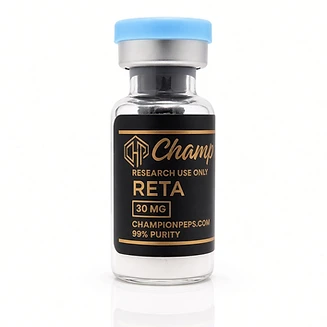
Research use only. Listing a supplier is not an endorsement of any protocol on this site, and nothing sold there is approved for human use.
Related protocols
View allVentfort 20mg
Natural vascular tissue peptide bioregulator investigated for microvascular integrity, endothelial function, and cellular renewal.
View ProtocolKPV 10mg
KPV is an alpha-MSH-derived C-terminal tripeptide studied for NF-kB suppression, mucosal healing, and inflammatory modulation.
View ProtocolEpithalon 10mg
Synthetic pineal tetrapeptide studied for telomerase upregulation, circadian restoration, and cellular longevity.
View Protocol