AOD-9604 2mg
Synthetic C-terminal fragment of human growth hormone (176–191) investigated for fat metabolism and lipolytic pathways.
Mechanism
AOD-9604 stimulates lipolysis and inhibits lipogenesis by interacting with beta-adrenergic-associated pathways in adipose tissue without elevating circulating IGF-1 levels.
Dosing
Preclinical and reference literature typically document an initial protocol dose of 300 mcg administered once daily.
Reconstitution
Dilute the 2 mg lyophilized vial with 3.0 mL of bacteriostatic water to yield an approximate concentration of 0.667 mg/mL (667 mcg/mL).
Storage
Store the unmixed lyophilized peptide frozen at -20 °C, and once reconstituted, maintain the liquid solution under refrigeration at 2–8 °C for up to 28 days without freezing.
Mix & measure AOD-9604 2mg
Pre-filled with this protocol's recommended BAC water and documented starting dose — edit any field to run your own numbers.
Mix & measure AOD-9604 2mg
Vial strength → BAC water → target dose
Total doses in vial: 6.7
U-100 syringe: 100 units = 1 mL
Reconstitution math only — not dosing advice. U-100 syringe: 100 units = 1 mL. Advanced calculator →
Dosing Chart
| Phase / Day(s) | Dose & Frequency | Volume (U-100 units / mL) |
|---|---|---|
| Weeks 1–4 | 300 mcg (1× daily) | ~45 units (0.45 mL) |
| Weeks 5–12 | 400 mcg (1× daily) | ~60 units (0.60 mL) |
| Weeks 13–16 (optional) | 400–500 mcg (1× daily) | ~60–75 units (0.60–0.75 mL) |
Reconstitution Steps
- 1
Draw 3.0 mL of sterile bacteriostatic water using an appropriate syringe.
- 2
Gently inject the diluent along the internal glass wall of the 2 mg vial to minimize turbulence and foaming.
- 3
Carefully swirl and rotate the vial until the lyophilized cake is fully dissolved; avoid vigorous shaking.
- 4
Document the mixing date and resulting concentration (approx. 0.667 mg/mL) on the vial label, then store immediately at 2–8 °C protected from light.
Supplies Needed


Peptide Vial
Lyophilized AOD-9604 (2 mg per vial), providing roughly 4 to 6 daily research doses per vial.


Insulin Syringes (U-100)
1 mL U-100 syringes used to accurately measure fractional milliliter volumes for subcutaneous delivery.


Bacteriostatic Water
3.0 mL of bacteriostatic water utilized per 2 mg vial for gentle reconstitution.


Alcohol Swabs
Sterile pads required for disinfecting the vial rubber stopper and the target research site prior to handling.
Why researchers study it
Fat metabolism and lipolysis
Preclinical obesity and weight regulation
Targeted lipid oxidation without GH-related side effects
Cartilage and joint repair models
These describe what is being studied, not proven benefits, approved uses, or promised results.
Overview
AOD-9604 is an engineered peptide derived from the C-terminal region of human growth hormone, specifically residues 176 through 191. It was initially designed to isolate the lipolytic properties of somatropin without triggering unwanted endocrine effects, such as elevated systemic IGF-1 or altered glycemic control. By targeting cellular lipid metabolism pathways, it gained substantial interest in preclinical models of adipose tissue regulation. While early animal research suggested strong potential for stimulating the breakdown of triglycerides and inhibiting lipogenesis, subsequent human clinical trials yielded mixed outcomes. Notably, larger Phase 2b obesity trials failed to achieve statistically significant body mass reduction compared to placebo controls. As a result, commercial pharmaceutical development was largely discontinued, though it remains widely utilized in preclinical research settings.
References
- 1.Endocrinology (OUP) — hGH C-terminal fragment AOD-9604: lipid metabolism and beta-adrenergic pathway insights (preclinical)
- 2.PubMed — Characterisation of the synthetic hGH (176–191) fragment and its lipolytic activity
- 3.News-Medical / Metabolic press — Coverage of the AOD-9604 Phase 2b obesity trial outcome (development discontinued ~2007)
- 4.BioSpace (PR Newswire) — Announcement on completion of the Phase 2b obesity trial of AOD-9604
- 5.Journal of Endocrinology & Metabolism, 2013 — Safety & tolerability of AOD-9604 in humans (no IGF-1 increase; placebo-like safety)
- 6.Journal of Endocrinology & Metabolism, 2014 — Safety and metabolism overview of AOD-9604 across human studies (oral and IV)
Supplies Needed
Suggested supplier
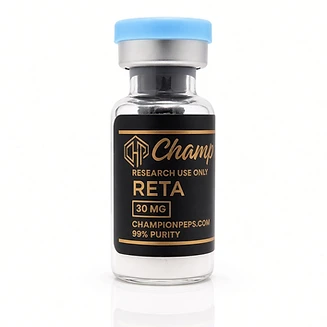
Research use only. Listing a supplier is not an endorsement of any protocol on this site, and nothing sold there is approved for human use.
Related protocols
View allPTD-DBM 5mg
Topical peptide designed to block CXXC5-Dishevelled binding, de-repressing Wnt/β-catenin signaling to study follicle neogenesis and repair.
View ProtocolBPC-157 10mg
A 15-amino-acid synthetic peptide researched in preclinical models for soft-tissue recovery, angiogenesis, and gastrointestinal protection.
View ProtocolNAD+ 1000mg
Cellular coenzyme vital for mitochondrial bioenergetics, sirtuin activation, and systemic metabolic maintenance in research models.
View Protocol