Thymulin 5mg
A zinc-dependent nonapeptide hormone originating from thymic epithelial cells, investigated for its role in T-lymphocyte differentiation.
Mechanism
Thymulin acts as a metallopeptide requiring equimolar zinc coordination to fold into its active conformation, subsequently inducing T-lymphocyte maturation and modulating specific T-cell subset signaling.
Dosing
Documented laboratory reference points establish baseline aliquoting benchmarks beginning around 100 mcg (4 units on a U-100 syringe at 2.5 mg/mL).
Reconstitution
Reconstituting a 5 mg vial with 2.0 mL of bacteriostatic water yields a research concentration of 2.5 mg/mL (25 mcg per U-100 unit).
Storage
Store the unmixed lyophilized powder refrigerated protected from light, and keep reconstituted solutions at 2 to 8 degrees Celsius without freezing.
Mix & measure Thymulin 5mg
Pre-filled with this protocol's recommended BAC water and documented starting dose — edit any field to run your own numbers.
Mix & measure Thymulin 5mg
Vial strength → BAC water → target dose
Total doses in vial: 50.0
U-100 syringe: 100 units = 1 mL
Reconstitution math only — not dosing advice. U-100 syringe: 100 units = 1 mL. Advanced calculator →
Dosing Chart
| Phase / Day(s) | Dose & Frequency | Volume (U-100 units / mL) |
|---|---|---|
| Baseline Assay Reference | 100 mcg | 4 units (0.04 mL) |
| Intermediate Titration | 250 mcg | 10 units (0.10 mL) |
| Moderate Evaluation | 500 mcg | 20 units (0.20 mL) |
| Upper Experimental Limit | 1 mg | 40 units (0.40 mL) |
Reconstitution Steps
- 1
Sterilize the rubber stoppers of both the Thymulin vial and the bacteriostatic water container with individual sterile alcohol prep pads.
- 2
Draw 2.0 mL of bacteriostatic water into a mixing syringe equipped with an appropriate gauge needle.
- 3
Slowly introduce the diluent into the Thymulin vial, aiming the needle tip against the glass container wall to minimize agitation.
- 4
Permit the vial to rest undisturbed for approximately 30 to 60 seconds to allow the lyophilizate to hydrate naturally.
- 5
Gently rotate or roll the vial between palms until all solids dissolve completely into a clear liquid, strictly avoiding vigorous shaking.
- 6
Store the reconstituted solution in a dedicated refrigerator maintained at 2 to 8 degrees Celsius away from light sources.
Supplies Needed


Peptide Vial
Lyophilized Thymulin 5 mg cake intended strictly for laboratory analytical handling.


Insulin Syringes (U-100)
Fine-gauge 0.3 mL, 0.5 mL, or 1.0 mL syringes used for precision volumetric measurement of microgram aliquots.


Bacteriostatic Water
Sterile multi-dose solvent preserved with 0.9% benzyl alcohol used to reconstitute the peptide.


Alcohol Swabs
70% isopropyl alcohol prep wipes used to disinfect vial septum surfaces prior to needle penetration.
Why researchers study it
T-lymphocyte maturation and subset differentiation
Zinc status and metallopeptide conformational dynamics
Age-related immunosenescence and thymic decline
Context-dependent modulation of neuroimmune pathways and inflammatory signaling
These describe what is being studied, not proven benefits, approved uses, or promised results.
Overview
Thymulin, originally designated as serum thymic factor (FTS), is a defined nine-amino-acid peptide produced by the epithelial stroma of the thymus. First isolated in the 1970s, it plays an established physiological role in immune maturation, specifically guiding early-stage T cells through essential phenotypic checkpoints. A crucial biochemical characteristic of Thymulin is its obligate binding to a zinc ion, which induces the precise spatial conformation necessary to bind its target receptors and trigger intracellular cascades. Unlike heterogeneous glandular mixtures like Thymalin, Thymulin represents a single, chemically distinct molecule. Scientific investigations have repeatedly demonstrated that its endogenous concentration closely mirrors systemic zinc availability and naturally wanes alongside age-induced thymic involution. When systemic zinc levels fall, circulating peptide activity drops correspondingly, underlining a profound nutritional-biochemical interdependence. In laboratory research environments, Thymulin serves as an analytical standard for exploring T-cell subset differentiation, neuroendocrine-immune axes, and cytokine signaling cascades. While commercial interest surrounds its theoretical immunomodulatory potential, controlled human trials validating clinical or therapeutic protocols remain nonexistent, keeping this peptide strictly in the experimental research domain.
References
- 1.Bach & Dardenne, Med Oncol Tumor Pharmacother, 1989 — Thymulin, a zinc-dependent hormone
- 2.Gastinel et al., Biochim Biophys Acta, 1984 — Studies on the zinc binding site to the serum thymic factor
- 3.Dardenne et al., PNAS, 1985 — A zinc-dependent epitope on the molecule of thymulin, a thymic hormone
- 4.Prasad et al., J Clin Invest, 1988 — Serum thymulin in human zinc deficiency
- 5.Safieh-Garabedian et al., Brain Behav Immun, 1997 — Involvement of IL-1β, NGF and PGE2 in the hyperalgesia induced by intraplantar injections of low doses of thymulin
- 6.Safieh-Garabedian et al., Br J Pharmacol, 2002 — Potent analgesic and anti-inflammatory actions of a novel thymulin-related peptide in the rat
Supplies Needed
Suggested supplier
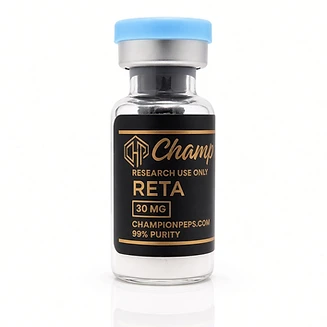
Research use only. Listing a supplier is not an endorsement of any protocol on this site, and nothing sold there is approved for human use.
Related protocols
View allIpamorelin 10mg
Selective pentapeptide ghrelin receptor agonist investigated for targeted, pulsatile growth hormone secretion without significant cortisol spikes.
View ProtocolHumanin 5mg
Mitochondrial-derived peptide and potent HNG analog researched for cellular survival, metabolic signaling, and cytoprotective pathways.
View ProtocolSelank 5mg
Synthetic tuftsin-derived heptapeptide investigated for non-sedating anxiolysis, cognitive support, and neurotrophic modulation.
View Protocol