Semax 5mg
Synthetic ACTH(4–10) analogue studied for neuroprotection, neuroplasticity, and cognitive enhancement through BDNF pathway modulation.
Mechanism
ACTH(4–10) analogue studied for cognitive enhancement and neuroprotection by upregulating hippocampal BDNF/TrkB signaling and modulating central monoaminergic neurotransmission.
Dosing
Research references document experimental cohorts evaluating 250–500 mcg per subject, most commonly administered via the intranasal route.
Reconstitution
Add 2.0 mL bacteriostatic water → 2.5 mg/mL.
Storage
Lyophilized: −20 °C; reconstituted: refrigerate 2–8 °C.
Mix & measure Semax 5mg
Pre-filled with this protocol's recommended BAC water and documented starting dose — edit any field to run your own numbers.
Mix & measure Semax 5mg
Vial strength → BAC water → target dose
Total doses in vial: 20.0
U-100 syringe: 100 units = 1 mL
Reconstitution math only — not dosing advice. U-100 syringe: 100 units = 1 mL. Advanced calculator →
Dosing Chart
| Phase / Day(s) | Dose & Frequency | Volume (U-100 units / mL) |
|---|---|---|
| Initial Evaluation (Days 1–5) | 250 mcg daily | 10 units (0.10 mL) |
| Mid-Protocol (Days 6–15) | 375 mcg daily | 15 units (0.15 mL) |
| Target Observation (Days 16–30) | 500 mcg daily | 20 units (0.20 mL) |
Reconstitution Steps
- 1
Remove the 5 mg lyophilized Semax vial and bacteriostatic water from cold storage and equilibrate to room temperature for 15–20 minutes.
- 2
Sterilize the rubber stoppers of both vials using separate fresh alcohol swabs and allow them to air-dry completely.
- 3
Using a sterile U-100 syringe, draw exactly 2.0 mL of bacteriostatic water.
- 4
Insert the needle into the Semax vial at a slight angle and slowly discharge the diluent down the inner glass wall to prevent mechanical shear of the peptide.
- 5
Gently swirl or roll the vial between hands until all lyophilized cake is fully dissolved; avoid vigorous shaking or agitation.
- 6
Affix a label indicating the reconstituted concentration (2.5 mg/mL) along with the reconstitution date, and store immediately in a refrigerator at 2–8 °C.
Supplies Needed


Peptide Vial
Provides 5 mg of lyophilized Semax peptide, yielding approximately 10 to 20 experimental doses depending on the evaluated range.


Insulin Syringes (U-100)
Used for precise volumetric measurement and delivery of aliquots, requiring roughly 10 to 30 syringes across an investigation cycle.


Bacteriostatic Water
Supplies the sterile bacteriostatic reconstitution medium, requiring 2.0 mL to establish a 2.5 mg/mL research solution.


Alcohol Swabs
Used to sanitize vial septums and injection access points prior to each fluid transfer, requiring approximately 20 to 40 individual swabs.
Why researchers study it
Cognitive enhancement and memory consolidation
Attention, vigilance, and executive focus
Ischemic neuroprotection and anti-inflammatory signaling
BDNF and TrkB pathway upregulation
These describe what is being studied, not proven benefits, approved uses, or promised results.
Overview
Semax is a synthetic heptapeptide derived from the adrenocorticotropic hormone fragment ACTH(4–10), modified with a C-terminal Pro-Gly-Pro tripeptide sequence to confer resistance against enzymatic degradation. Developed at the Institute of Molecular Genetics of the Russian Academy of Sciences, the peptide was specifically engineered to retain the central neuromodulatory actions of ACTH while completely eliminating its hormonal and steroidogenic signaling properties. Mechanistically, Semax demonstrates a pronounced ability to enhance neuroplasticity by rapidly upregulating the gene expression and protein levels of brain-derived neurotrophic factor (BDNF) and its high-affinity receptor, TrkB, particularly within hippocampal tissue. In addition to trophic stimulation, investigational models indicate that Semax influences central monoaminergic transmission—specifically enhancing striatal serotonergic and dopaminergic metabolism—while simultaneously mitigating neuroinflammatory cascades and excitotoxic cellular distress. In preclinical and clinical research, Semax has served as a benchmark peptide for exploring recovery dynamics in cerebral ischemia, neurodegenerative models, and cognitive dysfunction. Although approved in select Eastern European pharmacopeias for post-stroke rehabilitation and optic neuropathy, it remains classified strictly as a reference chemical for experimental laboratory investigation in Western jurisdictions.
References
- 1.Dolotov OV et al., Brain Res, 2006 — Semax regulates BDNF and trkB expression in the rat hippocampus.
- 2.Eremin KO et al., Neurochem Res, 2005 — Semax activates dopaminergic and serotoninergic brain systems.
- 3.Filippenkov IB et al., Genes (Basel), 2020 — Transcriptomic responses and neuroprotective efficacy of Semax in cerebral ischemia models.
- 4.Radchenko AI et al., Int J Mol Sci, 2025 — Intranasal administration of Semax improves cognitive function in mouse models of neurodegeneration.
Supplies Needed
Suggested supplier
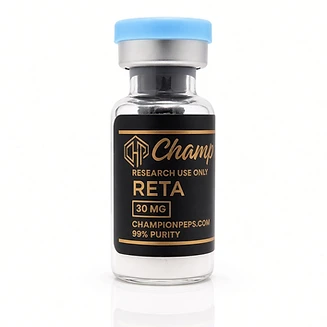
Research use only. Listing a supplier is not an endorsement of any protocol on this site, and nothing sold there is approved for human use.
Related protocols
View allTriptorelin 2mg
Potent synthetic GnRH agonist evaluated for its biphasic endocrine profile, producing an initial gonadotropin surge followed by axis shutdown.
View ProtocolLibidon 20mg
An oral animal-derived prostate peptide bioregulator investigated for lower urinary tract function and prostate tissue homeostasis.
View ProtocolDermorphin 5mg
Natural amphibian heptapeptide exhibiting exceptional mu-opioid receptor affinity and metabolic stability via an unusual D-amino acid.
View Protocol