5-Amino-1MQ 10mg
Synthetic small-molecule NNMT inhibitor explored in preclinical models for cellular energy balance, NAD+ preservation, and adipocyte metabolism.
Mechanism
5-Amino-1MQ acts as a selective inhibitor of nicotinamide N-methyltransferase (NNMT), thereby preventing nicotinamide clearance, elevating intracellular NAD+ pools, and stimulating SIRT1-mediated energy metabolism.
Dosing
Preclinical laboratory protocols document a conservative starting dose of 150 mcg daily, titrated stepwise toward a 600 mcg daily research ceiling.
Reconstitution
Reconstitution of a 10 mg vial with 3.0 mL of bacteriostatic water results in a final stock concentration of approximately 3.33 mg/mL (33.3 mcg per U-100 unit).
Storage
Store the unmixed lyophilized powder frozen at -20 °C; following reconstitution, maintain between 2–8 °C protected from light, avoid freezing, and utilize within 2 to 4 weeks.
Mix & measure 5-Amino-1MQ 10mg
Pre-filled with this protocol's recommended BAC water and documented starting dose — edit any field to run your own numbers.
Mix & measure 5-Amino-1MQ 10mg
Vial strength → BAC water → target dose
Common vial sizes
Label claim
Total doses in vial: 66.7
U-100 syringe: 100 units = 1 mL
Need supplies for this protocol?
Research-grade peptides, fast shipping, competitive pricing
Reconstitution math only — not dosing advice. U-100 syringe: 100 units = 1 mL. Advanced calculator →
Track my protocol
Log each dose, build a streak, and watch your progress through this protocol's schedule.
Dosing Chart
| Phase / Day(s) | Dose & Frequency | Volume (U-100 units / mL) |
|---|---|---|
| Weeks 1–2 (Ramp) | 150 mcg once daily | 4.5 units (0.045 mL) |
| Weeks 3–4 (Titrate) | 300 mcg once daily | 9.0 units (0.090 mL) |
| Weeks 5–8 (Target) | 600 mcg once daily | 18.0 units (0.18 mL) |
Reconstitution Steps
- 1
Allow the lyophilized 10 mg vial to equilibrate to room temperature for 15–20 minutes after removal from -20 °C storage.
- 2
Sterilize the rubber septum using a fresh sterile alcohol swab and let it air-dry completely.
- 3
Using a sterile diluent syringe, slowly draw 3.0 mL of bacteriostatic water.
- 4
Introduce the needle into the vial and slowly release the diluent along the glass wall to avoid excessive agitation and foaming.
- 5
Gently swirl and invert the vial until the substance is entirely dissolved; do not shake aggressively.
- 6
Label the vial with reconstitution date and concentration (3.33 mg/mL), then place into refrigerated storage at 2–8 °C away from light.
Supplies Needed


Peptide Vial
Lyophilized 5-Amino-1MQ 10 mg compound providing the active investigational agent.


Insulin Syringes (U-100)
Fine-gauge calibrated syringes (0.3 mL, 0.5 mL, or 1.0 mL) for precise low-volume micro-draws.


Bacteriostatic Water
Preserved sterile diluent containing 0.9% benzyl alcohol utilized to reconstitute the peptide cake.


Alcohol Swabs
70% isopropyl alcohol prep pads used for maintaining strict aseptic technique across vial septa and injection sites.
Why researchers study it
Fat metabolism and lipolytic flux
Diet-induced obesity and weight management pathways
NAD+ salvage pathway and SIRT1 pathway signaling
Skeletal muscle retention and body composition analysis
These describe what is being studied, not proven benefits, approved uses, or promised results.
Overview
5-Amino-1MQ (5-amino-1-methylquinolinium) is a synthetic membrane-permeable small molecule evaluated primarily for its ability to selectively block nicotinamide N-methyltransferase (NNMT). In metabolic disorders and expanding adipose tissue, NNMT is frequently upregulated, siphoning off methyl groups and driving down cellular nicotinamide pools needed for critical coenzyme maintenance. By directly targeting this enzymatic bottleneck, researchers examine how cells shift toward improved metabolic resilience. Preclinical investigations suggest that inhibiting NNMT preserves intracellular nicotinamide, facilitating elevated NAD+ availability and subsequently activating downstream SIRT1-dependent pathways. These cascades govern mitochondrial biogenesis, fatty acid oxidation, and cellular repair processes. While widely recognized in the biochemical literature as an orally available candidate, certain laboratory investigations frame administration parenterally to evaluate acute tissue distribution without gastrointestinal clearance. All currently available scientific observations stem exclusively from animal models and cultured cell lines. There are no approved human therapeutic applications, and clinical safety profiles remain uncharacterized. The molecule is handled strictly as an unapproved investigational compound for in vitro and in vivo scientific inquiry.
References
- 1.Kraus et al., Nature Medicine, 2014 — Nicotinamide N-methyltransferase knockdown protects against diet-induced obesity
- 2.Neelakantan et al., Biochemical Pharmacology / PMC, 2024 — NNMT inhibition mitigates obesity-related metabolic dysfunctions in animal models
- 3.Frontiers in Pharmacology, 2024 — NNMT as a candidate therapeutic target for metabolic syndrome
- 4.Gao et al., Journal of Chromatography B / PubMed, 2021 — LC-MS/MS assay for 5-amino-1-methylquinolinium: pharmacokinetics and oral bioavailability
- 5.Kannt et al., ResearchGate, 2021 — Combined NNMT inhibition and reduced-calorie diet normalizes body composition in obese mice
- 6.PMC, 2022 — Reduced-calorie diet with NNMT inhibition establishes a distinct microbiome in DIO mice
- 7.Scientific Reports / NMN.com, 2019 — NNMT inhibition and muscle strength: enhanced grip strength with exercise in aged mice
- 8.Journal of Medicinal Chemistry, ACS, 2019 — Bisubstrate inhibitors of NNMT with enhanced activity
Supplies Needed
Suggested supplier
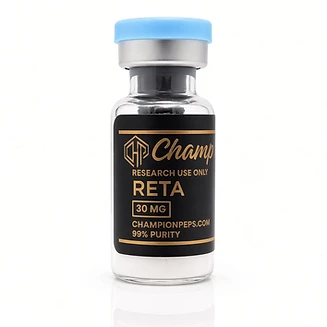
Research use only. Listing a supplier is not an endorsement of any protocol on this site, and nothing sold there is approved for human use.
Related protocols
View allCJC-1295 DAC 5mg
Long-acting synthetic GHRH analog paired with Drug Affinity Complex to sustain growth hormone release in laboratory models.
View ProtocolTesamorelin 10mg
Tesamorelin is a stabilized synthetic GHRH analog researched for visceral adipose tissue reduction and endogenous growth hormone release.
View ProtocolMOTS-C 20mg
Mitochondrial-derived peptide investigated in preclinical models for AMPK activation, glucose regulation, and metabolic homeostasis.
View Protocol