Tesamorelin 20mg
A stabilized GHRH analog investigated for triggering endogenous growth hormone pulses and targeted reduction of visceral adipose tissue.
Mechanism
Binds pituitary GHRH receptors to stimulate physiological, pulsatile growth hormone secretion, driving systemic IGF-1 production and visceral adipocyte lipolysis.
Dosing
Standard experimental protocols reference an initial tolerability titration of 1 mg daily before advancing to the standard 2 mg once-daily maintenance dose.
Reconstitution
Reconstituting a 20 mg vial with 3.0 mL of bacteriostatic water yields an approximate working concentration of 6.67 mg/mL.
Storage
Store lyophilized vials refrigerated at 2–8°C, and maintain reconstituted solutions at 2–8°C away from light without freezing.
Mix & measure Tesamorelin 20mg
Pre-filled with this protocol's recommended BAC water and documented starting dose — edit any field to run your own numbers.
Mix & measure Tesamorelin 20mg
Vial strength → BAC water → target dose
Total doses in vial: 20.0
U-100 syringe: 100 units = 1 mL
Reconstitution math only — not dosing advice. U-100 syringe: 100 units = 1 mL. Advanced calculator →
Dosing Chart
| Phase / Day(s) | Dose & Frequency | Volume (U-100 units / mL) |
|---|---|---|
| Week 1 (optional titration) | 1 mg / 1000 mcg (1× daily) | 15 units (0.15 mL) |
| Weeks 2–12+ | 2 mg / 2000 mcg (1× daily) | 30 units (0.30 mL) |
Reconstitution Steps
- 1
Draw 3.0 mL of bacteriostatic water into a sterile syringe.
- 2
Dispense the liquid slowly against the inside glass wall of the vial to minimize agitation and foaming.
- 3
Gently roll or swirl the vial between your palms until the lyophilizate dissolves completely without shaking.
- 4
Note the date and concentration on the vial label and place it immediately into refrigerated storage at 2–8°C shielded from light.
Supplies Needed


Peptide Vial
Lyophilized Tesamorelin 20 mg vial providing the active research compound.


Insulin Syringes (U-100)
Precision 1 mL U-100 syringes used to measure micro-volume doses accurately.


Bacteriostatic Water
Sterile diluent containing 0.9% benzyl alcohol used to dissolve the peptide cake for multi-dose preservation.


Alcohol Swabs
70% isopropyl wipes used to sanitize rubber stoppers and surface preparation sites.
Why researchers study it
Visceral adipose tissue reduction
Endogenous GH and circulating IGF-1 elevation
Cognitive health and memory preservation
Hepatic lipid clearance and NAFLD modeling
These describe what is being studied, not proven benefits, approved uses, or promised results.
Overview
Tesamorelin is a synthetic peptide containing a 44-amino-acid sequence that replicates human growth hormone-releasing hormone, modified structurally with a trans-3-hexenoic acid moiety to enhance resistance to enzymatic degradation. In scientific research models, it interacts selectively with pituitary GHRH receptors, encouraging physiological and pulsatile release of endogenous somatotropin without disrupting normal hypothalamic-pituitary-adrenal negative feedback mechanisms. In both clinical and preclinical investigative literature, the compound has demonstrated a strong propensity for elevating circulating IGF-1 concentrations while driving lipolytic pathways specifically within visceral abdominal fat depots. Unlike exogenous growth hormone administration, tesamorelin's reliance on native endocrine regulatory pathways minimizes drastic suppression of intrinsic endocrine function, making it a frequent subject of study across lipodystrophy models, lipid metabolic research, and cognitive investigation protocols.
References
- 1.FDA Prescribing Information, Egrifta / Egrifta SV, 2010 — Tesamorelin structure, indications, and clinical pharmacokinetics
- 2.Mayo Clinic / IBM Merative, Drug Information, 2023 — Mechanism of GH/IGF-1 stimulation and subcutaneous administration protocols
- 3.Falutz et al., J. Clin. Endocrinol. Metab., 2010 — Pooled phase 3 trial analysis of tesamorelin on visceral adipose tissue in lipodystrophy
- 4.LiverTox (NIH/NIDDK), Bookshelf, 2018 — Tesamorelin formulation stability, storage, and hepatic safety profile
- 5.CDC, Admin Protocols, 2023 — Guidelines for proper subcutaneous injection technique
Supplies Needed
Suggested supplier
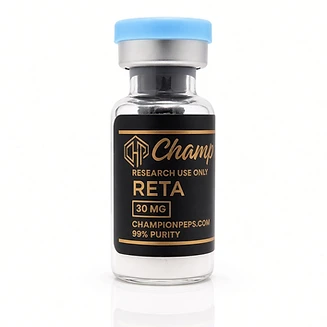
Research use only. Listing a supplier is not an endorsement of any protocol on this site, and nothing sold there is approved for human use.
Related protocols
View allTesamorelin 10mg
Tesamorelin is a stabilized synthetic GHRH analog researched for visceral adipose tissue reduction and endogenous growth hormone release.
View ProtocolDulaglutide 5mg
A long-acting GLP-1 receptor agonist fusion protein engineered for weekly metabolic, glycemic, and cardiovascular research applications.
View ProtocolOvagen 20mg
Synthetic tripeptide bioregulator (EDL) studied for hepatocyte function and digestive system cellular modulation in laboratory models.
View Protocol