TB-500 + BPC-157 5+5 mg
A dual-peptide research stack pairing TB-500 and BPC-157 in separate vials to investigate complementary soft-tissue and wound healing pathways.
Mechanism
TB-500 binds and sequesters G-actin to promote endothelial cell migration and systemic tissue restructuring, while BPC-157 promotes focal angiogenesis, collagen synthesis, and local cytoprotection.
Dosing
Standard laboratory protocols document a starting TB-500 dose of 2.5 mg administered twice weekly, paired with a starting BPC-157 dose of 250 mcg to 500 mcg daily.
Reconstitution
Each 5 mg vial is typically reconstituted with 2.0 mL of bacteriostatic water to achieve a final working concentration of 2.5 mg/mL per peptide.
Storage
Store unopened lyophilized vials at -20 °C in dry conditions, and keep reconstituted solutions refrigerated between 2 °C and 8 °C protected from light without freezing for up to 28 days.
Mix & measure TB-500 + BPC-157 5+5 mg
Pre-filled with this protocol's recommended BAC water and documented starting dose — edit any field to run your own numbers.
Mix & measure TB-500 + BPC-157 5+5 mg
Vial strength → BAC water → target dose
Total doses in vial: 4.0
U-100 syringe: 100 units = 1 mL
Reconstitution math only — not dosing advice. U-100 syringe: 100 units = 1 mL. Advanced calculator →
Dosing Chart
| Phase / Day(s) | Dose & Frequency | Volume (U-100 units / mL) |
|---|---|---|
| Weeks 1–4 (TB-500) | 2.5 mg (2× per week) | ~100 units (1.0 mL) |
| Weeks 1–2 (BPC-157) | 500 mcg/day — 250 mcg (2× daily) | ~10 units (0.10 mL) |
| Weeks 3–4 (BPC-157) | 500 mcg/day — 500 mcg (1× daily) | ~20 units (0.20 mL) |
Reconstitution Steps
- 1
Draw 2.0 mL of bacteriostatic water into a sterile syringe for each individual vial.
- 2
Sterilize the rubber stoppers of both vials with alcohol swabs and allow them to air dry.
- 3
Slowly introduce the bacteriostatic water down the inside glass wall of each vial to prevent violent turbulence and foaming.
- 4
Swirl or roll each vial gently between the hands until the lyophilized powder is completely dissolved, avoiding vigorous shaking.
- 5
Keep TB-500 and BPC-157 in separate labeled containers, record the date and concentration, and refrigerate immediately at 2–8 °C.
Supplies Needed


Peptide Vial
Two distinct lyophilized vials containing 5 mg of TB-500 and 5 mg of BPC-157 respectively.


Insulin Syringes (U-100)
Sterile 1.0 mL U-100 syringes used to accurately measure individual doses from each vial separately.


Bacteriostatic Water
Multi-dose diluent containing 0.9% benzyl alcohol used to reconstitute each peptide vial (1–2 mL per vial).


Alcohol Swabs
70% isopropyl alcohol prep pads used to sanitize vial stoppers and clean administration sites prior to each draw.
Why researchers study it
Soft-tissue, tendon, and ligament repair
Preclinical recovery from acute injury and strain
Systemic and gut mucosal anti-inflammatory activity
Microvascular remodeling and angiogenesis
These describe what is being studied, not proven benefits, approved uses, or promised results.
Overview
The TB-500 and BPC-157 research stack is a widely documented pairing designed to explore synergistic tissue repair mechanisms in laboratory settings. Rather than a pre-mixed solution, this protocol utilizes two distinct vials—one containing 5 mg of TB-500 and the other containing 5 mg of BPC-157—which must be reconstituted and administered separately. By maintaining distinct solutions, researchers preserve dosing flexibility across varied experimental timelines. TB-500 represents the bioactive fragment of Thymosin Beta-4, known for governing systemic cell migration and actin dynamics, while BPC-157 is a synthetic 15-amino-acid peptide derived from gastric secretions that exhibits potent local cytoprotection and angiogenic properties. When paired in experimental models, they are hypothesized to address distinct aspects of tissue remodeling, from vascular recruitment to cellular matrix repair. Neither peptide in this stack is approved for clinical use or human consumption. All documented regimens are derived from preclinical literature and experimental conventions intended strictly for laboratory exploration and in vitro or animal models of soft-tissue trauma.
References
- 1.Philp et al., FASEB Journal — Biological activities and active-site mapping of thymosin beta-4 fragments
- 2.Ho et al., Journal of Chromatography A — Doping-control analysis of synthetic TB-500 peptide in biological matrices
- 3.Malinda et al., Journal of Investigative Dermatology, 1999 — Thymosin beta-4 accelerates wound healing in preclinical models
- 4.Sikiric et al., Journal of Applied Physiology — BPC-157 promotes tendon, ligament, and muscle healing via angiogenesis
- 5.Seiwerth et al., PubMed — BPC-157 cytoprotective and gut-healing mechanisms in animal pharmacology
Supplies Needed
Suggested supplier
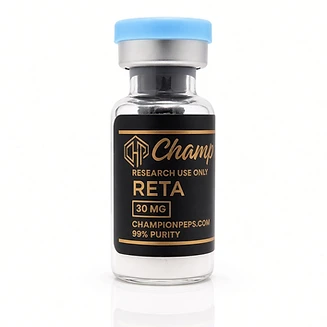
Research use only. Listing a supplier is not an endorsement of any protocol on this site, and nothing sold there is approved for human use.
Related protocols
View allGlutathione 1500mg
Endogenous tripeptide antioxidant researched for cellular redox defense, hepatic conjugation pathways, and pigment regulation.
View ProtocolCJC-1295 DAC 5mg
Long-acting synthetic GHRH analog paired with Drug Affinity Complex to sustain growth hormone release in laboratory models.
View ProtocolCerebrolysin 60mg
Porcine-derived neuropeptide blend studied for neuroprotection, neuroplasticity, and central nervous system recovery pathways.
View Protocol