Semaglutide 20mg
Potent GLP-1 receptor agonist studied for appetite regulation, delayed gastric emptying, and sustained cardiometabolic modulation.
Mechanism
Semaglutide acts as a selective GLP-1 receptor agonist, enhancing glucose-dependent insulin secretion, suppressing glucagon release, and stimulating central satiety pathways to delay gastric emptying.
Dosing
Standard research protocols initiate administration at 0.25 mg once weekly for the initial 4-week titration phase.
Reconstitution
Reconstituting a 20 mg vial with 3.0 mL of bacteriostatic water yields an approximate working concentration of 6.67 mg/mL.
Storage
Store the lyophilized peptide frozen at −20 °C, and keep the reconstituted solution refrigerated between 2 °C and 8 °C for up to 4 weeks away from light.
Mix & measure Semaglutide 20mg
Pre-filled with this protocol's recommended BAC water and documented starting dose — edit any field to run your own numbers.
Mix & measure Semaglutide 20mg
Vial strength → BAC water → target dose
Total doses in vial: 80.0
U-100 syringe: 100 units = 1 mL
Reconstitution math only — not dosing advice. U-100 syringe: 100 units = 1 mL. Advanced calculator →
Dosing Chart
| Phase / Day(s) | Dose & Frequency | Volume (U-100 units / mL) |
|---|---|---|
| Weeks 1–4 | 0.25 mg weekly | 3.75 units (0.0375 mL) |
| Weeks 5–8 | 0.5 mg weekly | 7.5 units (0.075 mL) |
| Weeks 9–12 | 1.0 mg weekly | 15 units (0.15 mL) |
| Weeks 13–16 | 1.7 mg weekly | 25.5 units (0.255 mL) |
| Weeks 17+ (Maintenance) | 2.4 mg weekly | 36 units (0.36 mL) |
Reconstitution Steps
- 1
Aseptically draw 3.0 mL of bacteriostatic water into a clean preparation syringe.
- 2
Introduce the diluent gently against the inner wall of the 20 mg peptide vial to avoid excessive agitation or foaming.
- 3
Swirl or rotate the vial smoothly until the lyophilized cake is fully dissolved, avoiding vigorous shaking.
- 4
Document the reconstitution date on the vial label and place it immediately in a 2–8 °C refrigerated environment protected from light.
Supplies Needed


Peptide Vial
20 mg lyophilized Semaglutide container for laboratory research


Insulin Syringes (U-100)
1 mL U-100 syringes used to measure precise weekly micro-volumes


Bacteriostatic Water
3.0 mL sterile diluent per vial for reconstitution and stable multi-dose use


Alcohol Swabs
Sterilizing the vial rubber stopper and designated injection site before each draw
Why researchers study it
Weight management and adiposity reduction
Appetite suppression and central satiety control
Glucose-dependent glycemic and HbA1c regulation
Cardiometabolic risk factor modulation
These describe what is being studied, not proven benefits, approved uses, or promised results.
Overview
Semaglutide is an extensively characterized synthetic peptide analog designed to mimic the action of endogenous glucagon-like peptide-1 (GLP-1). Engineered with key structural modifications that extend its biological half-life to approximately one week, it exhibits robust resistance to rapid enzymatic degradation by dipeptidyl peptidase-4 (DPP-4). In pre-clinical and clinical investigations, semaglutide serves as a cornerstone model for exploring long-acting incretin mimetics in metabolic disease. Research interest surrounding semaglutide focuses prominently on its dual effects on energy balance and glucose homeostasis. By selectively targeting GLP-1 receptors across peripheral organs and central nervous system centers governing hunger, the compound modulates central satiety processing while slowing gastric motility. These physiological interventions lead to a consistent reduction in caloric consumption and substantial improvements in glycemic indicators in metabolic research models. Due to its pharmacokinetic profile and potent physiological potency, research designs implement a systematic dosage escalation. Gradual upward titration allows physiological systems to adapt, attenuating undesirable gastrointestinal disturbances often observed with rapid exposure to GLP-1 pathway stimulation, making strict titration adherence essential in laboratory environments.
References
- 1.Wilding et al., New England Journal of Medicine, 2021 — Once-weekly semaglutide 2.4 mg in adults with overweight or obesity (STEP 1)
- 2.Davies et al., The Lancet, 2021 — Semaglutide 2.4 mg once a week in adults with overweight or obesity, and type 2 diabetes (STEP 2)
- 3.O'Neil et al., The Lancet, 2018 — Phase 2 dose-finding and tolerability evaluation of semaglutide in type 2 diabetes
- 4.Drucker, Nature Reviews Endocrinology, 2024 — GLP-1 receptor agonists for obesity and diabetes clinical landscape
- 5.GenScript, Technical Bulletin, 2023 — Guidelines for peptide storage, reconstitution, and stability handling
Supplies Needed
Suggested supplier
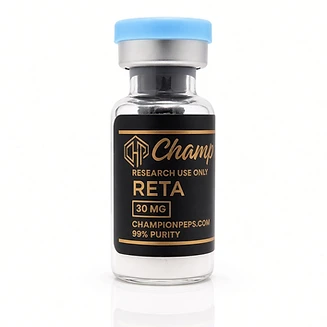
Research use only. Listing a supplier is not an endorsement of any protocol on this site, and nothing sold there is approved for human use.
Related protocols
View allIGF-1 LR3 1mg
A long-acting synthetic analog of IGF-1 engineered for enhanced half-life and potent anabolic signaling in laboratory models.
View ProtocolCartalax 20mg
Synthetic short bioregulator tripeptide (AED) explored in vitro for cartilage integrity, collagen synthesis, and cellular aging.
View ProtocolIGF-1 DES 1mg
A truncated, high-affinity IGF-1 variant lacking three N-terminal residues, investigated for potent localized cellular hypertrophy.
View Protocol