Gonadorelin 2mg
Synthetic GnRH decapeptide investigated for anterior pituitary gonadotropin stimulation and HPG axis regulation in research models.
Mechanism
Binds to gonadotropin-releasing hormone receptors in the anterior pituitary, triggering the synthesis and secretion of luteinizing hormone and follicle-stimulating hormone.
Dosing
Standard laboratory protocols document an introductory dose of 100 mcg administered once daily via subcutaneous injection, gradually titrating upward across an 8–12 week evaluation timeline.
Reconstitution
Reconstituting a 2 mg vial with 2.0 mL of bacteriostatic water yields a clean working concentration of 1.0 mg/mL (1,000 mcg/mL).
Storage
Store the unmixed lyophilized vial refrigerated between 2–8 °C or frozen at -20 °C for extended preservation, and keep the reconstituted solution refrigerated at 2–8 °C for up to 30 days without freezing.
Mix & measure Gonadorelin 2mg
Pre-filled with this protocol's recommended BAC water and documented starting dose — edit any field to run your own numbers.
Mix & measure Gonadorelin 2mg
Vial strength → BAC water → target dose
Total doses in vial: 20.0
U-100 syringe: 100 units = 1 mL
Reconstitution math only — not dosing advice. U-100 syringe: 100 units = 1 mL. Advanced calculator →
Dosing Chart
| Phase / Day(s) | Dose & Frequency | Volume (U-100 units / mL) |
|---|---|---|
| Weeks 1–2 | 100 mcg (1× daily) | 10 units (0.10 mL) |
| Weeks 3–4 | 150 mcg (1× daily) | 15 units (0.15 mL) |
| Weeks 5–8 | 200 mcg (1× daily) | 20 units (0.20 mL) |
| Weeks 9–12 | 250 mcg (1× daily) | 25 units (0.25 mL) |
Reconstitution Steps
- 1
Draw 2.0 mL of bacteriostatic water into a sterile syringe.
- 2
Release it slowly down the vial's inner wall to limit foaming.
- 3
Swirl or roll gently until fully dissolved — don't shake.
- 4
Label with the date and concentration, then refrigerate at 2–8 °C (35.6–46.4 °F), shielded from light.
Supplies Needed


Peptide Vial
Supplies 2 mg of lyophilized gonadorelin; approximately 5 to 12 vials are needed across an 8- to 16-week study schedule.


Insulin Syringes (U-100)
Provides precise measurement for small unit volumes at a 1.0 mg/mL concentration; roughly 56 to 112 syringes are utilized per protocol run.


Bacteriostatic Water
Provides the sterile diluent (2.0 mL per vial) necessary for peptide reconstitution; approximately 1 to 3 bottles (10 mL each) are needed.


Alcohol Swabs
Used to disinfect the rubber vial stopper and clean the laboratory injection site prior to each draw and administration.
Why researchers study it
Testosterone & testicular support
Fertility research
HPG axis signaling
Pituitary function testing
These describe what is being studied, not proven benefits, approved uses, or promised results.
Overview
Gonadorelin is a synthetic decapeptide structurally identical to endogenous gonadotropin-releasing hormone (GnRH). In biological systems, the hypothalamus secretes native GnRH in episodic bursts, directly modulating the anterior pituitary's synthesis and release of essential gonadotropins. In scientific settings, researchers utilize gonadorelin to examine the dynamics of the hypothalamic-pituitary-gonadal (HPG) axis. Investigational models frequently evaluate gonadorelin to explore gonadotropin signaling pathways when endogenous hormone output is dampened or suppressed, such as under conditions mimicking exogenous androgen exposure. By assessing how pituitary receptors respond to controlled GnRH stimulation, research teams track changes in downstream target organs and circulating hormone cascades. While branded pharmaceutical formulations were historically authorized for specific diagnostic endocrine assessments and reproductive indications, modern investigations typically involve compounded, research-grade material. Experimental protocols commonly test once-daily subcutaneous administration frameworks designed to simulate the biological threshold of natural pulsatile exposure.
References
- 1.AHFS/Micromedex, Drugs.com, 2024 — gonadorelin injectable usage and clinical reference
- 2.Medicina (MDPI), 2024 — management of male fertility in hypogonadal patients on TRT
- 3.Int J Fertil, 1990 — stability and purity profile of gonadorelin acetate
- 4.Health Canada, Product Monograph — Lutrepulse (gonadorelin acetate) guidance and storage
- 5.Rosemont Specialty Pharmacy, 2021 — fertility medications and storage guidelines for gonadorelin
- 6.Immunize.org, IAC/CDC — administration technique guidance for subcutaneous injections
- 7.NCBI Bookshelf, Clinical Guide — parenteral administration and peptide handling technique
- 8.Elsevier Clinical Skills, Clinical Reference — subcutaneous injection guidelines and handling
- 9.J. Clin. Endocrinol. Metab., 2015 — pulsatile GnRH vs hCG in adolescent hypogonadotropic hypogonadism
- 10.Prime Lab Peptides, Analytical Data — gonadorelin 2 mg purity specifications and COA profile
Supplies Needed
Suggested supplier
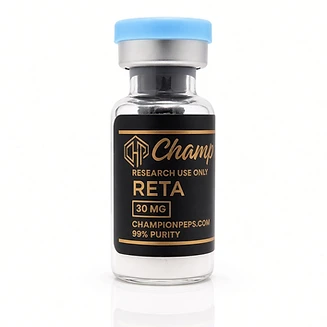
Research use only. Listing a supplier is not an endorsement of any protocol on this site, and nothing sold there is approved for human use.
Related protocols
View allSNAP-8 10mg
Synthetic octapeptide researched for mimicking SNAP-25 to attenuate muscle contraction signaling and soften dynamic facial lines.
View ProtocolP21 10mg
A synthetic CNTF-derived pentapeptide engineered with an adamantyl group to investigate blood-brain barrier transport and neurogenesis.
View ProtocolAdipotide 5mg
Experimental proapoptotic peptide engineered to target prohibitin in adipose vasculature, studied preclinically for fat reduction.
View Protocol