GHRP-2 10mg
A synthetic hexapeptide ghrelin receptor agonist investigated for eliciting pulsatile growth hormone and IGF-1 secretion.
Mechanism
GHRP-2 acts as an agonist at the pituitary and hypothalamic GHS-R1a (ghrelin) receptors, directly stimulating the synthesis and pulsatile release of endogenous growth hormone.
Dosing
Reference protocols document a starting experimental dose of 100 mcg administered once daily on an empty stomach.
Reconstitution
Reconstituting a 10 mg vial with 3.0 mL of bacteriostatic water yields an approximate working concentration of 3.33 mg/mL (3,333 mcg/mL).
Storage
Store the unmixed lyophilized powder at -20 °C, and maintain the reconstituted liquid between 2 and 8 °C for up to 28 days without freezing.
Mix & measure GHRP-2 10mg
Pre-filled with this protocol's recommended BAC water and documented starting dose — edit any field to run your own numbers.
Mix & measure GHRP-2 10mg
Vial strength → BAC water → target dose
Total doses in vial: 100.0
U-100 syringe: 100 units = 1 mL
Reconstitution math only — not dosing advice. U-100 syringe: 100 units = 1 mL. Advanced calculator →
Dosing Chart
| Phase / Day(s) | Dose & Frequency | Volume (U-100 units / mL) |
|---|---|---|
| Weeks 1–2 | 100 mcg (1× daily) | 3 units (0.03 mL) |
| Weeks 3–4 | 150 mcg (1× daily) | 4.5 units (0.045 mL) |
| Weeks 5–8 | 200 mcg (1× daily) | 6 units (0.06 mL) |
| Weeks 9–16 | 200–300 mcg (1× daily) | 6–9 units (0.06–0.09 mL) |
Reconstitution Steps
- 1
Aseptically withdraw 3.0 mL of bacteriostatic water using a sterile syringe.
- 2
Insert the needle into the 10 mg GHRP-2 vial, aiming the flow along the glass wall to minimize agitation and foaming.
- 3
Gently rotate or roll the vial between the palms until the lyophilized cake is fully dissolved; avoid shaking.
- 4
Label the vial with the reconstitution date and calculated concentration (~3.33 mg/mL).
- 5
Store the mixed solution immediately in refrigerated conditions (2–8 °C) protected from light.
Supplies Needed


Peptide Vial
Contains 10 mg of lyophilized GHRP-2 powder for research reconstitution.


Insulin Syringes (U-100)
Calibrated 1 mL, 0.5 mL, or 0.3 mL syringes used to accurately draw micro-volume doses.


Bacteriostatic Water
Sterile diluent containing 0.9% benzyl alcohol used to dissolve the peptide cake (3.0 mL required per vial).


Alcohol Swabs
Used to sterilize the rubber vial septum and injection surfaces before handling.
Why researchers study it
GH & IGF-1 secretagogue dynamics
Appetite stimulation and ghrelin signaling
Body composition and fat metabolism markers
Diagnostic evaluation of growth hormone deficiency
These describe what is being studied, not proven benefits, approved uses, or promised results.
Overview
GHRP-2 (Growth Hormone-Releasing Peptide-2), also known as pralmorelin, is a synthetic hexapeptide categorized as a growth hormone secretagogue. It selectively binds to the growth hormone secretagogue receptor (GHS-R1a), which is the endogenous receptor for ghrelin. In laboratory models, this interaction triggers the anterior pituitary gland to release endogenous growth hormone in a pulsatile manner, downstream influencing systemic IGF-1 production. While clinically approved in specific jurisdictions like Japan strictly as a diagnostic tool for evaluating pituitary insufficiency, GHRP-2 remains an unapproved research compound elsewhere. Unlike more selective secretagogues such as ipamorelin, GHRP-2 demonstrates moderate co-stimulation of secondary neuroendocrine pathways, leading to measurable increases in circulating cortisol and prolactin as well as ghrelin-mediated appetite induction. Laboratory models frequently study GHRP-2 on once-daily administration schedules to prevent rapid receptor desensitization or tachyphylaxis. In investigational settings, it is often evaluated alongside growth hormone-releasing hormone (GHRH) analogues to examine potential synergistic pathways controlling somatotroph secretion.
References
- 1.Domestic Animal Endocrinology, 2000 — Effects of GHRP-2 on growth hormone release and performance via ghrelin-receptor pathways
- 2.J Clin Endocrinol Metab, 1997 — Sustained GH and IGF-1 responses during graded GHRP-2 treatment in GH-deficient children
- 3.Eur J Endocrinol, 1999 — Attenuation patterns and IGF-I kinetics following daily subcutaneous GHRP-2 in healthy males
- 4.Endocrine, 2002 — Endocrine responses to GHRP-2 and GHRH administration in older adult cohorts
- 5.American Journal of Men's Health, 2020 — Elevation of serum IGF-1 by growth hormone secretagogues in hypogonadal models
- 6.Sexual Medicine Reviews, 2018 — Clinical review of growth hormone secretagogue efficacy, selectivity, and safety profiles
Supplies Needed
Suggested supplier
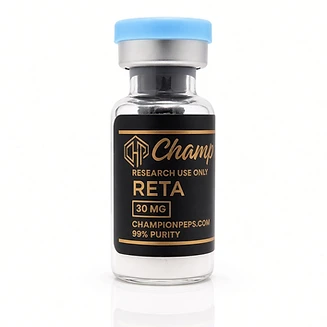
Research use only. Listing a supplier is not an endorsement of any protocol on this site, and nothing sold there is approved for human use.
Related protocols
View allSLU-PP-332 5mg
Preclinical synthetic pan-ERR agonist studied as an exercise mimetic for mitochondrial oxidation and metabolic regulation.
View ProtocolEcnoglutide 10mg
A novel cAMP-biased, long-acting GLP-1 receptor agonist studied for glycemic management and weight reduction.
View ProtocolCortagen 20mg
Synthetic brain-cortex tetrapeptide bioregulator (AEDP) researched for potential neuroprotective and nerve regenerative properties.
View Protocol