Pemvidutide 5mg
Investigational GLP-1/glucagon dual agonist evaluated in clinical models for targeted hepatic fat clearance and metabolic regulation.
Mechanism
Pemvidutide simultaneously activates GLP-1 receptors to promote satiety and glucagon receptors to drive direct hepatocyte fatty acid oxidation, with sustained weekly activity mediated by an albumin-binding EuPort conjugation.
Dosing
Published clinical protocols document a starting experimental dose of 1.2 mg administered subcutaneously once per week.
Reconstitution
Reconstituting a 5 mg vial with 2.0 mL of bacteriostatic water yields a research concentration of 2.5 mg/mL.
Storage
Store lyophilized and reconstituted vials protected from light at 2–8°C, taking care to prevent freeze-thaw degradation of the conjugated peptide.
Mix & measure Pemvidutide 5mg
Pre-filled with this protocol's recommended BAC water and documented starting dose — edit any field to run your own numbers.
Mix & measure Pemvidutide 5mg
Vial strength → BAC water → target dose
Total doses in vial: 4.2
U-100 syringe: 100 units = 1 mL
Reconstitution math only — not dosing advice. U-100 syringe: 100 units = 1 mL. Advanced calculator →
Dosing Chart
| Phase / Day(s) | Dose & Frequency | Volume (U-100 units / mL) |
|---|---|---|
| IMPACT MASH Low Arm | 1.2 mg once weekly | 48 units (0.48 mL) |
| IMPACT MASH High Arm | 1.8 mg once weekly | 72 units (0.72 mL) |
| MOMENTUM Upper Range | 2.4 mg once weekly | 96 units (0.96 mL) |
Reconstitution Steps
- 1
Disinfect the rubber stoppers of both the pemvidutide vial and bacteriostatic water vial using sterile alcohol swabs and allow surfaces to air dry.
- 2
Draw 2.0 mL of bacteriostatic water into a sterile mixing syringe.
- 3
Insert the needle into the peptide vial at an angle, directing the fluid stream gently down the glass interior wall to minimize agitation.
- 4
Allow the diluent to absorb into the lyophilized cake, swirling with gentle circular motions until fully dissolved without shaking.
- 5
Confirm the resulting solution is completely clear and particle-free before refrigerating at 2–8°C.
Supplies Needed


Peptide Vial
Contains 5 mg of lyophilized pemvidutide research peptide.


Insulin Syringes (U-100)
Calibrated 100-unit syringes used to precisely measure and draw small injection volumes.


Bacteriostatic Water
Sterile diluent containing 0.9% benzyl alcohol used to reconstitute the peptide cake.


Alcohol Swabs
Used to sanitize vial stoppers and work surfaces prior to needle puncture.
Why researchers study it
Hepatic steatosis reduction via direct glucagon-mediated lipid oxidation
MASH resolution markers in biopsy-confirmed liver disease models
Comparative dual-incretin vs. single GLP-1 metabolic signaling pathways
Impact of balanced glucagon co-agonism on visceral versus lean body mass
These describe what is being studied, not proven benefits, approved uses, or promised results.
Overview
Pemvidutide (development code ALT-801) is an investigational dual receptor agonist targeting both glucagon-like peptide-1 (GLP-1) and glucagon (GCGR) pathways. Engineered with a proprietary lipid-saccharide conjugation domain known as EuPort, the molecule binds serum albumin to extend systemic half-life, permitting once-weekly administration schedules. In metabolic disease models, its dual signaling profile pairs the classic satiety-inducing actions of incretin pathways with direct hepatic glucagon agonism. Clinical exploration has centered heavily on hepatic steatosis and metabolic dysfunction-associated steatohepatitis (MASH). Mechanistically, co-stimulating glucagon receptors stimulates mitochondrial fatty acid oxidation directly within hepatocytes, driving rapid reductions in intrahepatic lipid stores independent of total body mass changes. While exploratory cohorts examined glycemic and weight endpoints, developer pipelines subsequently reprioritized the asset around serious hepatic conditions, including steatohepatitis and alcohol-associated liver injuries. From a laboratory handling perspective, research-grade pemvidutide presents unique challenges due to its complex conjugation structure. The molecule requires careful reconstitution and strict temperature management to preserve peptide integrity. Investigators tracking biomarker shifts focus primarily on non-invasive imaging markers of liver fat content, histological resolution markers, and systemic metabolic tolerability profiles.
References
- 1.The Lancet, 2025 — Safety and efficacy of weekly pemvidutide versus placebo for MASH (IMPACT phase 2b trial)
- 2.Journal of Hepatology, 2025 — Effect of pemvidutide on hepatic steatosis in MASLD clinical cohorts
- 3.JHEP Reports, 2025 — 24-week safety and liver-fat normalization efficacy of pemvidutide in steatotic liver disease
- 4.Naunyn-Schmiedeberg's Archives of Pharmacology, 2026 — Systematic review and meta-analysis of pemvidutide in MASH
- 5.Journal of Cachexia, Sarcopenia and Muscle, 2025 — Body composition and muscle preservation evaluations in obesity pharmacotherapy
- 6.Clinical Pharmacokinetics, 2026 — Comparative systemic pharmacokinetic principles of fatty-acid-conjugated therapeutic peptides
- 7.Drugs in Context, 2025 — Mechanistic overview of glucagon and GLP-1 receptor co-agonist therapeutic strategies
Supplies Needed
Suggested supplier
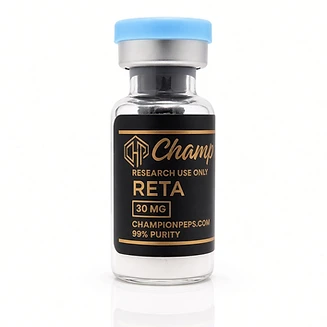
Research use only. Listing a supplier is not an endorsement of any protocol on this site, and nothing sold there is approved for human use.
Related protocols
View allEndoluten 20mg
An oral animal-derived pineal bioregulator peptide complex studied for pineal gland support, circadian rhythm, and longevity pathways.
View ProtocolGHK-Cu 100mg
Naturally occurring copper tripeptide studied for extracellular matrix remodeling, collagen synthesis, and tissue regeneration.
View ProtocolCrystagen 20mg
Synthetic tripeptide bioregulator (Glu-Asp-Pro) studied in Khavinson models for immune system modulation and cellular gene expression.
View Protocol