GHK-Cu 100mg
Naturally occurring copper tripeptide studied for extracellular matrix remodeling, collagen synthesis, and tissue regeneration.
Mechanism
Acts as a carrier peptide to deliver cellular copper(II), upregulating collagen and elastin synthesis while modulating gene expression associated with tissue repair and antioxidant defense.
Dosing
Standard laboratory reference protocols document an initial dose of 1.0 mg administered subcutaneously 5 days per week.
Reconstitution
Diluting a 100 mg vial with 3.0 mL of bacteriostatic water produces a solution concentration of approximately 33.3 mg/mL (33,300 mcg/mL).
Storage
Store unmixed lyophilized powder frozen at -20 °C, and once reconstituted, maintain between 2–8 °C protected from light without refreezing.
Mix & measure GHK-Cu 100mg
Pre-filled with this protocol's recommended BAC water and documented starting dose — edit any field to run your own numbers.
Mix & measure GHK-Cu 100mg
Vial strength → BAC water → target dose
Total doses in vial: 100.0
U-100 syringe: 100 units = 1 mL
Reconstitution math only — not dosing advice. U-100 syringe: 100 units = 1 mL. Advanced calculator →
Dosing Chart
| Phase / Day(s) | Dose & Frequency | Volume (U-100 units / mL) |
|---|---|---|
| Weeks 1–4 | 1.0 mg (1000 mcg), 5 days/week | 3 units (0.03 mL) |
| Weeks 5–8 | 1.5 mg (1500 mcg), 5 days/week | 4.5 units (0.045 mL) |
| Weeks 9–12+ | 2.0 mg (2000 mcg), 5 days/week | 6 units (0.06 mL) |
Reconstitution Steps
- 1
Draw 3.0 mL of bacteriostatic water into a sterile syringe.
- 2
Release it slowly down the vial's inner wall to limit foaming.
- 3
Swirl or roll gently until the deep-blue solution is fully dissolved — don't shake.
- 4
Label with the date and concentration, then refrigerate at 2–8 °C (35.6–46.4 °F), shielded from light.
Supplies Needed


Peptide Vial
100 mg GHK-Cu lyophilized powder vial (~1–3 vials per 8–16 week protocol)


Insulin Syringes (U-100)
1 mL, 0.5 mL, or 0.3 mL U-100 sterile syringes for accurate micro-volume measurement


Bacteriostatic Water
3.0 mL per 100 mg vial to achieve standard ~33.3 mg/mL dilution


Alcohol Swabs
Antiseptic preparation of vial stopper and clean injection sites prior to administration
Why researchers study it
Skin remodeling & collagen
Wound healing & repair
Hair growth
Antioxidant & skin aging
These describe what is being studied, not proven benefits, approved uses, or promised results.
Overview
GHK-Cu is an endogenous copper-binding tripeptide composed of glycyl-L-histidyl-L-lysine complexed with a copper(II) ion. Initially isolated from human plasma, natural concentrations of this peptide decrease markedly throughout the aging process. It serves fundamentally as a signaling and transport molecule that shuttles bioavailable copper into cells to participate in essential enzymatic and structural pathways. In preclinical research models, GHK-Cu has demonstrated significant influence over dermal architecture, wound closure dynamics, and extracellular matrix remodeling. Investigations consistently document its capacity to upregulate collagen and elastin gene expression, stimulate angiogenesis, and exert notable antioxidant and anti-inflammatory properties across cell cultures and animal tissues. While GHK-Cu possesses extensive research documentation in topical cosmetic formulations and experimental laboratory settings, systemic administration via subcutaneous injection remains non-FDA approved and strictly experimental. The protocols outlined here serve exclusively to document laboratory reconstitution and dosing math for research purposes.
References
- 1.Cosmetics / MDPI, PubMed, 2018 — GHK and GHK-Cu: the human copper tripeptide, its decline with age and roles in tissue remodeling
- 2.BioMed Research International, PubMed, 2014 — GHK-Cu chemistry: glycyl-L-histidyl-L-lysine copper complex and copper transport
- 3.International Journal of Molecular Sciences, PubMed, 2018 — GHK-Cu stimulation of collagen, elastin and dermal matrix synthesis in skin models
- 4.Journal of Aging Research, PubMed, 2012 — GHK-Cu antioxidant, anti-inflammatory and wound-healing activity in preclinical models
- 5.Gene expression analysis, PubMed, 2015 — GHK-mediated modulation of gene expression toward tissue repair in cultured human cells
- 6.Clinical / topical cosmetic studies, PubMed, 2007 — Topical copper-peptide trials for skin firmness, fine lines and photoaging
Supplies Needed
Suggested supplier
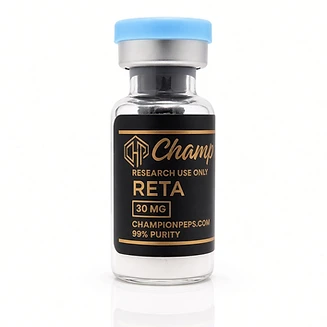
Research use only. Listing a supplier is not an endorsement of any protocol on this site, and nothing sold there is approved for human use.