VK2735 10mg
Investigational dual GIP and GLP-1 receptor agonist studied for significant dose-dependent weight loss and metabolic regulation.
Mechanism
Simultaneously engages GLP-1 and GIP incretin receptors to slow gastric emptying, suppress central appetite signals via AgRP neuron inhibition, and modulate glucose homeostasis.
Dosing
Research protocols document an initial weekly subcutaneous administration of 2.5 mg.
Reconstitution
Add 2.0 mL of bacteriostatic water to achieve a final working concentration of 5 mg/mL (5,000 mcg/mL).
Storage
Store lyophilized powder protected from light at 2–8°C or frozen, and maintain reconstituted solutions at 2–8°C for up to 28 days.
Mix & measure VK2735 10mg
Pre-filled with this protocol's recommended BAC water and documented starting dose — edit any field to run your own numbers.
Mix & measure VK2735 10mg
Vial strength → BAC water → target dose
Total doses in vial: 4.0
U-100 syringe: 100 units = 1 mL
Reconstitution math only — not dosing advice. U-100 syringe: 100 units = 1 mL. Advanced calculator →
Dosing Chart
| Phase / Day(s) | Dose & Frequency | Volume (U-100 units / mL) |
|---|---|---|
| Weeks 1–4 | 2.5 mg (1× weekly) | 50 units (0.50 mL) |
| Weeks 5–8 | 5 mg (1× weekly) | 100 units (1.00 mL) |
| Weeks 9–12 | 7.5 mg (1× weekly) | 150 units (1.50 mL) |
| Week 13+ | 10 mg (1× weekly) | 200 units (2.00 mL) |
Reconstitution Steps
- 1
Sanitize the stoppers of both the lyophilized peptide vial and the bacteriostatic water vial using sterile alcohol prep pads.
- 2
Draw precisely 2.0 mL of bacteriostatic water into a sterile syringe.
- 3
Direct the needle tip toward the inner glass wall of the peptide vial, allowing the diluent to trickle slowly over the powder.
- 4
Swirl the container in a gentle circular motion until completely transparent without shaking vigorously.
- 5
Date the vial and immediately place into refrigerated storage at 2–8°C.
Supplies Needed


Peptide Vial
Lyophilized active research peptide (10 mg)


Insulin Syringes (U-100)
Calibrated subcutaneous delivery and micro-volume extraction


Bacteriostatic Water
Sterile dilution preserving compound integrity across multi-dose cycles


Alcohol Swabs
Aseptic preparation of rubber stoppers and injection interfaces
Why researchers study it
Dose-dependent weight loss exploration
Dual GIP and GLP-1 receptor agonism comparison
Hypothalamic AgRP appetite regulation
Parallel evaluation of subcutaneous and oral delivery
These describe what is being studied, not proven benefits, approved uses, or promised results.
Overview
VK2735 is an investigational synthetic peptide engineered as a dual agonist targeting both the glucose-dependent insulinotropic polypeptide (GIP) and glucagon-like peptide-1 (GLP-1) receptors. Developed primarily to evaluate potent interventions in metabolic disorders and adiposity, the compound utilizes a dual-incretin pathway mirroring the physiological mechanism seen in modern multi-target metabolic therapies. By engaging both hormonal cascades simultaneously, it coordinates glycemic control and central satiety responses. In preclinical models and clinical dose-ranging trials such as the phase 2 VENTURE study, the peptide has been evaluated across once-weekly subcutaneous regimens. Investigators focus on its capacity to drive substantial, progressive weight reduction and metabolic improvements while monitoring the typical gastrointestinal adaptation profile associated with incretin-mimetic therapies. As an unapproved investigational agent, handling requires strict laboratory containment and precision measurement.
References
- 1.Bays et al., Obesity, 2026 — Weekly Subcutaneous VK2735 Phase 2 VENTURE study evaluating weight reduction and tolerability
Supplies Needed
Suggested supplier
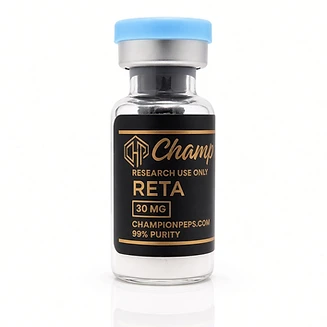
Research use only. Listing a supplier is not an endorsement of any protocol on this site, and nothing sold there is approved for human use.
Related protocols
View allTB-500 5mg
Synthetic fragment of thymosin beta-4 investigated in preclinical models for actin regulation, angiogenesis, and tissue regeneration.
View ProtocolAOD-9604 2mg
Synthetic C-terminal fragment of human growth hormone (176–191) investigated for fat metabolism and lipolytic pathways.
View ProtocolPTD-DBM 5mg
Topical peptide designed to block CXXC5-Dishevelled binding, de-repressing Wnt/β-catenin signaling to study follicle neogenesis and repair.
View Protocol