Melanotan II + PT-141 10+10 mg
Melanotan II and PT-141 stack pairing melanocortin receptor agonists for experimental pigmentation and central sexual arousal pathways.
Mechanism
Melanotan II provides non-selective agonism across MC1R–MC5R to stimulate cutaneous melanin synthesis and central pathways, while PT-141 selectively engages central MC4R to drive neurological sexual arousal pathways.
Dosing
Initiate Melanotan II research at 250 mcg twice weekly for gradual titration, alongside independent on-demand evaluations of PT-141 starting at 1 mg to 1.75 mg.
Reconstitution
Reconstitute the 10 mg Melanotan II vial with 3 mL bacteriostatic water to achieve 3.33 mg/mL, and the 10 mg PT-141 vial with 1 mL bacteriostatic water to achieve 10 mg/mL.
Storage
Store both lyophilized vials and reconstituted solutions refrigerated at 2–8°C away from light, avoiding repeated freeze-thaw cycles.
Mix & measure Melanotan II + PT-141 10+10 mg
Pre-filled with this protocol's recommended BAC water and documented starting dose — edit any field to run your own numbers.
Mix & measure Melanotan II + PT-141 10+10 mg
Vial strength → BAC water → target dose
Common vial sizes
Label claim
Total doses in vial: 80.0
U-100 syringe: 100 units = 1 mL
Need supplies for this protocol?
Research-grade peptides, fast shipping, competitive pricing
Reconstitution math only — not dosing advice. U-100 syringe: 100 units = 1 mL. Advanced calculator →
Track my protocol
Log each dose, build a streak, and watch your progress through this protocol's schedule.
Dosing Chart
| Phase / Day(s) | Dose & Frequency | Volume (U-100 units / mL) |
|---|---|---|
| MT-II Weeks 1–2 | 250 mcg, 2x per week | ~7.5 units (0.075 mL) |
| MT-II Weeks 3–4 | 500 mcg, 2x per week | ~15 units (0.15 mL) |
| PT-141 On-Demand (Female HSDD Ref) | 1.75 mg, as needed (max 1/24h) | ~18 units (0.18 mL) |
| PT-141 On-Demand (Male ED Ref) | 1–2 mg, as needed (max 1/24h) | 10–20 units (0.10–0.20 mL) |
Reconstitution Steps
- 1
Thoroughly sanitize hands and wipe the rubber stoppers of both peptide vials and the bacteriostatic water container using sterile alcohol swabs.
- 2
Using a sterile syringe, draw up 3.0 mL of bacteriostatic water and inject it slowly along the inner glass wall of the 10 mg Melanotan II vial.
- 3
Using a fresh sterile syringe, draw up 1.0 mL of bacteriostatic water and inject it slowly down the inner wall of the 10 mg PT-141 vial.
- 4
Gently swirl each vial until the lyophilized powders are completely dissolved; do not shake violently.
- 5
Clearly label each vial with its respective peptide identity, resulting concentration, and the date of reconstitution.
- 6
Transfer both prepared solutions immediately into refrigerated storage at 2–8°C, shielded from light exposure.
Supplies Needed


Peptide Vial
One 10 mg Melanotan II vial and one 10 mg PT-141 vial kept separate for individual reconstitution.


Insulin Syringes (U-100)
Sterile U-100 syringes (preferably 30-unit for small volumes) used to accurately measure individual doses.


Bacteriostatic Water
Reconstitution diluent providing 3 mL for Melanotan II and 1 mL for PT-141.


Alcohol Swabs
Antiseptic wipes used to sterilize vial stoppers and injection surfaces before fluid transfer.
Why researchers study it
Libido and central sexual arousal pathways
Melanogenesis and UV-independent skin pigmentation
Preclinical appetite regulation and energy homeostasis
Comparative MC1R versus MC4R receptor dynamics
These describe what is being studied, not proven benefits, approved uses, or promised results.
Overview
The Melanotan II and PT-141 stack combines two potent synthetic peptides derived from the melanocortin signaling cascade. PT-141, chemically known as bremelanotide, is a metabolite analog of Melanotan II developed to isolate pro-sexual pathways without the broad cutaneous pigmentation associated with its parent compound. In laboratory contexts, this stack is investigated using separate vials for each peptide to independently assess neuroendocrine arousal mechanisms and peripheral melanogenesis. While Melanotan II interacts broadly across melanocortin receptors MC1R through MC5R to stimulate melanin production and modulate appetite, PT-141 acts selectively within the central nervous system, particularly at MC4R, to modulate physiological libido and arousal. Because their pharmacodynamics and target tissues differ substantially, researcher protocols avoid co-mingling the solutions within a single vial, opting instead for isolated reconstitution and distinct administration timelines. In preclinical models, this combination serves as a dual-action exploration of neurobehavioral responses and integumentary pigmentation. Given the differing receptor affinities and safety signals associated with systemic melanocortin stimulation, investigators focus on conservative titrations and rigorous physical parameter tracking throughout testing cycles.
References
- 1.FDA, Drug Approval Package, 2019 — Bremelanotide (Vyleesi) prescribing information, dosing, and safety profile for premenopausal HSDD
- 2.NCBI Bookshelf, LiverTox, 2021 — Bremelanotide mechanism as a melanocortin-4 receptor agonist and clinical safety
- 3.Kingsberg et al., J Sex Med, 2019 — Bremelanotide for female hypoactive sexual desire disorder: phase-3 clinical trial review
- 4.Dorr et al., Life Sci, 1996 — Evaluation of Melanotan-II: pilot phase-I study and melanocortin receptor pharmacology (MC1R–MC5R)
Supplies Needed
Suggested supplier
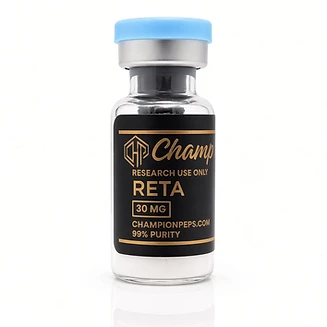
Research use only. Listing a supplier is not an endorsement of any protocol on this site, and nothing sold there is approved for human use.
Related protocols
View allAOD-9604 + CJC-1295 + Ipamorelin 12mg Blend
A 12 mg multi-pathway research blend uniting lipolytic fragment AOD-9604 with CJC-1295 and Ipamorelin for amplified GH axis signaling.
View ProtocolN-Acetyl Epitalon Amidate 5mg
N-terminally acetylated and C-terminally amidated analog of Epitalon studied in cellular aging and epigenetic research models.
View ProtocolThymosin Beta-4 10mg
Endogenous 43-amino-acid peptide evaluated in preclinical models for actin regulation, dermal healing, and cardioprotective signaling.
View Protocol