PEG-MGF 2mg
A pegylated mechano growth factor analogue investigated in preclinical models for myogenic satellite cell recruitment and tissue repair.
Mechanism
PEG-MGF incorporates a polyethylene glycol polymer onto the synthetic C-terminal peptide of the IGF-1Ec splice variant, extending circulating half-life while stimulating satellite cell proliferation and postponing differentiation in myogenic repair pathways.
Dosing
Standard preclinical protocols establish a conservative starting dose of 200 mcg administered subcutaneously two times per week.
Reconstitution
Reconstituting a 2 mg vial with 2.0 mL of bacteriostatic water results in a final working concentration of 1,000 mcg/mL (10 mcg per U-100 syringe unit).
Storage
Store the lyophilized product protected from light at 2–8°C or frozen, and maintain the reconstituted solution refrigerated at 2–8°C for experimental use within 28 days.
Mix & measure PEG-MGF 2mg
Pre-filled with this protocol's recommended BAC water and documented starting dose — edit any field to run your own numbers.
Mix & measure PEG-MGF 2mg
Vial strength → BAC water → target dose
Common vial sizes
Label claim
Total doses in vial: 10.0
U-100 syringe: 100 units = 1 mL
Need supplies for this protocol?
Research-grade peptides, fast shipping, competitive pricing
Reconstitution math only — not dosing advice. U-100 syringe: 100 units = 1 mL. Advanced calculator →
Track my protocol
Log each dose, build a streak, and watch your progress through this protocol's schedule.
Dosing Chart
| Phase / Day(s) | Dose & Frequency | Volume (U-100 units / mL) |
|---|---|---|
| Conservative | 200 mcg, 2×/week | 20 units (0.20 mL) |
| Common research range | 300 mcg, 2–3×/week | 30 units (0.30 mL) |
| Upper reference | 400 mcg, 2–3×/week | 40 units (0.40 mL) |
| Cycle length | 4–6 weeks, then break | Not run continuously |
Reconstitution Steps
- 1
Sterilize the rubber stoppers of both the PEG-MGF and bacteriostatic water vials using fresh alcohol swabs and allow them to air dry.
- 2
Draw precisely 2.0 mL of bacteriostatic water into a sterile mixing syringe.
- 3
Insert the needle at a slight angle and discharge the diluent steadily down the internal glass wall to preserve peptide structure.
- 4
Swirl the vial in a gentle circular motion until the lyophilized powder completely dissolves, avoiding vigorous shaking.
- 5
Date the reconstituted solution and store it in a dedicated laboratory refrigerator maintained between 2°C and 8°C.
Supplies Needed


Peptide Vial
2 mg lyophilized PEG-MGF research compound.


Insulin Syringes (U-100)
Calibrated microgram fluid transfer and precision administration.


Bacteriostatic Water
Sterile 0.9% benzyl alcohol solvent (2.0 mL required for reconstitution).


Alcohol Swabs
Disinfection of vial stoppers and work surfaces to ensure aseptic technique.
Why researchers study it
Satellite cell pool expansion
Post-injury skeletal muscle regeneration
Extended pharmacokinetics via pegylation
Mechano-responsive signaling pathways
These describe what is being studied, not proven benefits, approved uses, or promised results.
Overview
PEG-MGF is a synthetic, pegylated peptide derived from the carboxy-terminal sequence of mechano growth factor (IGF-1Ec), an alternatively spliced isoform of insulin-like growth factor-1 that exhibits transient expression in skeletal muscle in response to mechanical overload or structural damage. In cellular paradigms, the native C-terminal peptide sequence appears to trigger myoblast proliferation while attenuating premature terminal differentiation, thereby theoretically augmenting the available pool of satellite cells essential for functional muscle regeneration. The unpegylated MGF isoform possesses a rapid systemic clearance measured in minutes, substantially constraining its utility in sustained laboratory evaluation. By attaching a polyethylene glycol (PEG) polymer moiety, PEG-MGF exhibits extended pharmacokinetic stability and reduced enzymatic degradation, enabling investigators to maintain biological exposure over several days. It is critical to recognize that while the messenger RNA transcript for IGF-1Ec is well documented, an authentic endogenous MGF peptide has not been isolated in vivo, meaning synthetic PEG-MGF remains an engineered experimental tool.
References
- 1.Matheny et al., Endocrinology, 2010 — Minireview on MGF biology and critical analysis of putative endogenous peptides versus synthetic constructs
- 2.Hill & Goldspink, J Physiol, 2003 — Rodent muscle damage model demonstrating IGF gene alternative splicing and early satellite cell activation
- 3.Qin et al., Mol Cell Biochem, 2012 — In vitro study on synthetic MGF promoting porcine satellite cell proliferation and suppressing differentiation markers
- 4.Cheema et al., J Cell Physiol, 2005 — Mechanical strain-induced up-regulation of the MGF splice variant in skeletal muscle cell culture
Supplies Needed
Suggested supplier
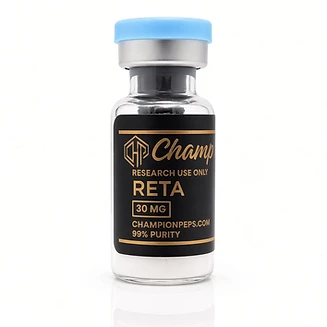
Research use only. Listing a supplier is not an endorsement of any protocol on this site, and nothing sold there is approved for human use.
Related protocols
View allSelank 10mg
Synthetic tuftsin-derived heptapeptide studied for anxiolytic, nootropic, and neurochemical modulatory properties in research settings.
View ProtocolDSIP 10mg
Experimental nonapeptide evaluated in scientific literature for slow-wave sleep induction and neuroendocrine modulation.
View ProtocolCortexin 10mg
A complex polypeptide cortex extract evaluated in animal and clinical models for neuroprotection, post-ischemic recovery, and cognition.
View Protocol