Cortexin 10mg
A complex polypeptide cortex extract evaluated in animal and clinical models for neuroprotection, post-ischemic recovery, and cognition.
Mechanism
Exerts neuroprotective and neuromodulatory effects primarily through interactions with AMPA, kainate, GABA-A1, and metabotropic glutamate receptors to balance neuronal excitation and mitigate ischemic damage.
Dosing
The standard documented regimen utilizes 10 mg administered once daily during the early hours of the day over a 10-day research cycle.
Reconstitution
Reconstituting a 10 mg vial with 2.0 mL of diluent yields a final concentration of 5 mg/mL.
Storage
Store lyophilized vials refrigerated or at controlled room temperature protected from light, and administer or discard reconstituted solutions immediately without prolonged storage.
Mix & measure Cortexin 10mg
Pre-filled with this protocol's recommended BAC water and documented starting dose — edit any field to run your own numbers.
Mix & measure Cortexin 10mg
Vial strength → BAC water → target dose
Total doses in vial: 1.0
U-100 syringe: 100 units = 1 mL
Reconstitution math only — not dosing advice. U-100 syringe: 100 units = 1 mL. Advanced calculator →
Dosing Chart
| Phase / Day(s) | Dose & Frequency | Volume (U-100 units / mL) |
|---|---|---|
| Standard Adult Protocol (Days 1–10) | 10 mg once daily | 200 units (2.0 mL) |
| Concentrated Dilution Protocol (Days 1–10) | 10 mg once daily | 100 units (1.0 mL) |
| Secondary Course | Repeat after 3–6 months | 200 units (2.0 mL) |
Reconstitution Steps
- 1
Thoroughly wipe the rubber stopper of the Cortexin vial and the diluent vial using separate sterile alcohol swabs.
- 2
Draw between 1.0 mL and 2.0 mL of diluent into a sterile syringe.
- 3
Introduce the diluent needle through the vial septum, aiming the stream slowly against the inner glass wall to prevent excessive foaming.
- 4
Swirl the vial in a gentle circular motion until the lyophilized cake is fully dissolved; avoid vigorous shaking.
- 5
Draw the entire volume for immediate use, as unpreserved reconstituted extracts are not indicated for multi-dose storage.
Supplies Needed


Peptide Vial
Lyophilized Cortexin (10 mg total peptide complex) container


Insulin Syringes (U-100)
Measuring and volumetric calibration reference for draw volumes


Bacteriostatic Water
Sterile diluent fluid for reconstituting the lyophilized peptide powder


Alcohol Swabs
Disinfecting rubber stoppers and procedural surfaces prior to puncture
Why researchers study it
Neuroprotection during acute and chronic ischemic trauma
Modulation of glutamate and GABA receptor dynamics
Cognitive recovery and memory pathway preservation
Mitigation of high-glucose and metabolic neuronal damage
These describe what is being studied, not proven benefits, approved uses, or promised results.
Overview
Cortexin is a lyophilized bioregulatory complex of low-molecular-weight neuropeptides, amino acids, and trace elements isolated from the cerebral cortex of bovine and porcine sources. Originally synthesized and authorized as a prescription pharmaceutical within Eastern Europe, it is categorized alongside complex brain-derived preparations such as Cerebrolysin rather than synthetically engineered singular peptide sequences. In experimental and preclinical neurology, Cortexin is primarily utilized to evaluate cellular defense against neurovascular trauma, focal cerebral ischemia, and metabolic stressors. Its biological profile spans central nervous system signaling pathways, showing direct influence on both excitatory and inhibitory receptor networks, as well as neurotrophic properties in cellular cultures. Because Cortexin represents a natural multi-component biological fraction rather than a discrete peptide sequence, analytical verification relies on total protein content rather than singular synthetic purity assays. Laboratory protocols generally examine this agent across defined, pulsed intervention cycles rather than sustained, chronic administration.
References
- 1.Kurkin et al., PLoS ONE, 2021 — Neuroprotective action of Cortexin, Cerebrolysin and Actovegin in acute or chronic brain ischemia in rats
- 2.Gomazkov, Zh Nevrol Psikhiatr Im S S Korsakova, 2015 — Cortexin. Molecular mechanisms and targets of neuroprotective activity
- 3.Yazar & Ayar, Neuroendocrinology, 2023 — Cortexin Ameliorates High Glucose-Induced Neuropathy in Cultured Rat Sensory Neurons
- 4.Tunccan et al., The Journal of International Advanced Otology, 2016 — Efficacy of Cortexin and Methylprednisolone on Traumatic Facial Nerve Paralysis
- 5.Kalmykova et al., Zh Nevrol Psikhiatr Im S S Korsakova, 2021 — Cortexin administration due to improvement of cognitive and behavioral disorders in children and teenagers with epilepsy
- 6.Tsyganov & Bogoslovskii, Voenno-meditsinskii zhurnal, 2004 — Influence of cortexin on memory and attention
Supplies Needed
Suggested supplier
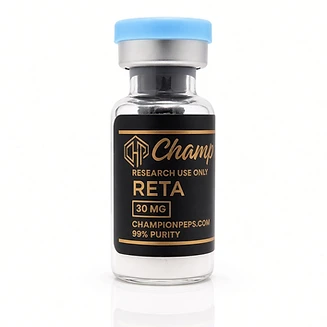
Research use only. Listing a supplier is not an endorsement of any protocol on this site, and nothing sold there is approved for human use.
Related protocols
View allTirzepatide 15mg
Dual GLP-1/GIP receptor agonist investigated for substantial glycemic management, food intake suppression, and metabolic body weight modulation.
View ProtocolTirzepatide 60mg
Dual GIP and GLP-1 receptor agonist studied for body weight management, insulin sensitivity, and metabolic regulation.
View Protocol5-Amino-1MQ 10mg
Synthetic small-molecule NNMT inhibitor explored in preclinical models for cellular energy balance, NAD+ preservation, and adipocyte metabolism.
View Protocol