DSIP 10mg
Experimental nonapeptide evaluated in scientific literature for slow-wave sleep induction and neuroendocrine modulation.
Mechanism
DSIP is hypothesized to modulate slow-wave sleep architecture and blunt stress-related endocrine responses potentially through interactions with central GABAergic and peptidergic pathways.
Dosing
Published experimental schedules document an initial baseline dose of 100 mcg administered once per day, typically scheduled in the evening.
Reconstitution
Reconstituting a 10 mg vial with 3.0 mL of bacteriostatic water creates an operational concentration of roughly 3.33 mg/mL (3,333 mcg/mL).
Storage
Store unmixed lyophilized vials at -20°C, and maintain the reconstituted liquid between 2°C and 8°C protected from light without refreezing.
Mix & measure DSIP 10mg
Pre-filled with this protocol's recommended BAC water and documented starting dose — edit any field to run your own numbers.
Mix & measure DSIP 10mg
Vial strength → BAC water → target dose
Common vial sizes
Label claim
Total doses in vial: 100.0
U-100 syringe: 100 units = 1 mL
Need supplies for this protocol?
Research-grade peptides, fast shipping, competitive pricing
Reconstitution math only — not dosing advice. U-100 syringe: 100 units = 1 mL. Advanced calculator →
Track my protocol
Log each dose, build a streak, and watch your progress through this protocol's schedule.
Dosing Chart
| Phase / Day(s) | Dose & Frequency | Volume (U-100 units / mL) |
|---|---|---|
| Week 1 | 100 mcg (1× daily) | 3 units (0.03 mL) |
| Week 2 | 150 mcg (1× daily) | 4.5 units (0.045 mL) |
| Week 3 | 200 mcg (1× daily) | 6 units (0.06 mL) |
| Weeks 4–8 | 250–300 mcg (1× daily) | 7.5–9 units (0.075–0.09 mL) |
Reconstitution Steps
- 1
Draw 3.0 mL of bacteriostatic water into a sterile syringe.
- 2
Introduce the fluid down the vial's interior glass wall gradually to prevent turbulent foaming.
- 3
Gently roll or swirl the vial until the lyophilized cake is fully dissolved without shaking.
- 4
Clearly label the vial with reconstitution date and concentration, placing it in cold storage between 2–8 °C.
Supplies Needed


Peptide Vial
Provides 10 mg of lyophilized DSIP research material.


Insulin Syringes (U-100)
Facilitates accurate extraction of small, concentrated micro-liter doses.


Bacteriostatic Water
Serves as the sterile, preserved diluent (3.0 mL per vial).


Alcohol Swabs
Used for sanitizing vial septa and injection surfaces.
Why researchers study it
Sleep regulation and delta-wave architecture
Stress response and HPA axis modulation
Preliminary models of pain and substance withdrawal
Neuronal resilience against oxidative stress
These describe what is being studied, not proven benefits, approved uses, or promised results.
Overview
Delta Sleep-Inducing Peptide (DSIP) is an endogenous nonapeptide originally identified in cerebral venous blood from rabbits undergoing low-frequency electrical thalamic stimulation. Although first classified for its ability to elicit delta-frequency electroencephalographic sleep, modern investigations evaluate its broader biological roles across central nervous system signaling pathways. In addition to slow-wave sleep modulation, laboratory literature explores the compound's regulatory impact on neuroendocrine systems, including hypothalamic-pituitary-adrenal dynamics during physiological stress. Experimental settings often assess its properties as an adaptogenic agent that influences oxidative parameters and neurotransmission balance. DSIP is an unapproved, experimental biochemical tool intended strictly for laboratory exploration. It has not received therapeutic validation or approval from global regulatory bodies such as the FDA or EMA, and standardized clinical dosing profiles remain non-existent.
References
- 1.Schoenenberger GA, Monnier M, Proc Natl Acad Sci USA, 1977 — Characterization of a delta-electroencephalogram (-sleep)-inducing peptide isolated from rabbit brain
- 2.European Journal of Anaesthesiology, 2001 — Delta sleep-inducing peptide: editorial review of proposed mechanisms and clinical context
- 3.Schneider-Helmert D, Schoenenberger GA, Neuropsychobiology, 1983 — Effects of DSIP in man: multifunctional psychophysiological properties
- 4.Sudakov KV et al., Ann N Y Acad Sci, 2004 — Delta-sleep-inducing peptide sequelae: stress-protective effect
- 5.Schneider-Helmert D, Int J Clin Pharmacol Ther Toxicol, 1981 — Acute and delayed effects of DSIP on human sleep behavior
- 6.Graf MV, Kastin AJ, Neurosci Biobehav Rev, 1984 — Delta-sleep-inducing peptide (DSIP): a review
- 7.Wang W, Int J Pharm, 2000 — Lyophilization and development of solid protein pharmaceuticals
- 8.Manning MC et al., Pharm Res, 2010 — Stability of protein pharmaceuticals: an update
- 9.Yehuda S, Carasso RL, Int J Neurosci, 1988 — DSIP: proposed brain mechanisms and function
- 10.Khvatova EM et al., Biull Eksp Biol Med, 2003 — Delta sleep-inducing peptide: effect on oxidative stress in brain
Supplies Needed
Suggested supplier
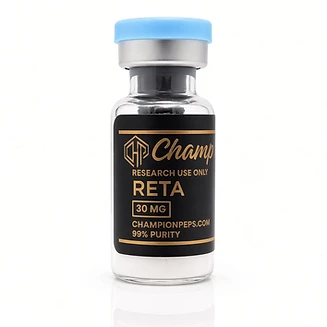
Research use only. Listing a supplier is not an endorsement of any protocol on this site, and nothing sold there is approved for human use.
Related protocols
View allCortexin 10mg
A complex polypeptide cortex extract evaluated in animal and clinical models for neuroprotection, post-ischemic recovery, and cognition.
View ProtocolWolverine Stack (BPC-157 + TB-500) 20mg
A dual-action preclinical blend pairing BPC-157 and TB-500 in equal ratios to investigate soft tissue regeneration and cellular repair pathways.
View ProtocolHGH 191AA 10 IU
Recombinant 191-amino-acid human growth hormone sequence evaluated for endocrine signaling, lipolysis, and lean tissue preservation.
View Protocol