HGH 191AA 10 IU
Recombinant 191-amino-acid human growth hormone sequence evaluated for endocrine signaling, lipolysis, and lean tissue preservation.
Mechanism
Binds directly to cell-surface growth hormone receptors to induce hepatic and peripheral IGF-1 production while concurrently stimulating adipocyte lipolysis and cellular amino acid uptake.
Dosing
Protocols typically initiate experimentation at 200 mcg administered once daily, often escalating gradually by 100 mcg increments per week based on research endpoints.
Reconstitution
Reconstituting a 10 IU (3.33 mg) vial with 3.0 mL of bacteriostatic water yields an approximate working concentration of 1.11 mg/mL (1,111 mcg/mL).
Storage
Store unmixed lyophilized vials at -20°C shielded from light, and maintain the reconstituted liquid refrigerated at 2–8°C without re-freezing.
Mix & measure HGH 191AA 10 IU
Pre-filled with this protocol's recommended BAC water and documented starting dose — edit any field to run your own numbers.
Mix & measure HGH 191AA 10 IU
Vial strength → BAC water → target dose
Common vial sizes
Label claim
Total doses in vial: 16.6
U-100 syringe: 100 units = 1 mL
Need supplies for this protocol?
Research-grade peptides, fast shipping, competitive pricing
Reconstitution math only — not dosing advice. U-100 syringe: 100 units = 1 mL. Advanced calculator →
Track my protocol
Log each dose, build a streak, and watch your progress through this protocol's schedule.
Dosing Chart
| Phase / Day(s) | Dose & Frequency | Volume (U-100 units / mL) |
|---|---|---|
| Week 1 | 200 mcg (1× daily) | 18 units (0.18 mL) |
| Week 2 | 300 mcg (1× daily) | 27 units (0.27 mL) |
| Week 3 | 400 mcg (1× daily) | 36 units (0.36 mL) |
| Week 4 | 500 mcg (1× daily) | 45 units (0.45 mL) |
Reconstitution Steps
- 1
Draw 3.0 mL of bacteriostatic water into a sterile syringe.
- 2
Release it slowly down the vial's inner wall to limit foaming.
- 3
Swirl or roll gently until fully dissolved — don't shake, to preserve the protein structure.
- 4
Label with the date and concentration, then refrigerate at 2–8 °C (35.6–46.4 °F), shielded from light.
Supplies Needed


Peptide Vial
Lyophilized HGH 191AA (10 IU / 3.33 mg) cake containing the research peptide.


Insulin Syringes (U-100)
Calibrated 1 mL syringes used to accurately draw precise, fractional micro-volumes.


Bacteriostatic Water
Diluent containing 0.9% benzyl alcohol used to dissolve the protein and inhibit microbial growth.


Alcohol Swabs
Sterile prep pads used to disinfect the rubber vial septum and injection area prior to handling.
Why researchers study it
Body composition & fat loss
GH deficiency support
Tissue repair & recovery
Longevity & aging
These describe what is being studied, not proven benefits, approved uses, or promised results.
Overview
HGH 191AA represents the biosimilar recombinant peptide matching native pituitary human growth hormone, comprising an identical 191-amino-acid linear structure without the extra terminal methionine found in early somatrem variants. Historically investigated across clinical endocrinology, this polypeptide functions as the primary regulator of somatic growth, cellular regeneration, and systemic protein synthesis in mammalian models. In contemporary laboratory and clinical research, the compound is heavily utilized to evaluate secondary downstream pathways, predominantly mediated via hepatic insulin-like growth factor 1 (IGF-1) induction. Researchers explore how sustained, exogenous administration impacts lipid mobilization, nitrogen retention, musculoskeletal remodeling, and glucose homeostasis over defined trial intervals.
References
- 1.Rudman et al., New England Journal of Medicine, 1990 — Effects of human growth hormone on body composition in older men
- 2.Journal of Clinical Endocrinology & Metabolism, — Physiology of pulsatile GH secretion and rationale for once-daily, bedtime subcutaneous dosing
- 3.NCBI Bookshelf, — Subcutaneous injection technique and systematic site rotation to prevent lipoatrophy
- 4.Growth Hormone & IGF Research, — Higher-dose GH in metabolic and performance research: effects and dose-dependent risks
- 5.U.S. FDA, — Somatropin prescribing information: approved indications and product details
- 6.Endocrine Reviews, — Growth hormone pharmacokinetics and subcutaneous administration requirements
- 7.Journal of Clinical Endocrinology & Metabolism, — Long-term GH replacement in adult GH deficiency: body-composition and strength benefits
- 8.WADA Prohibited List, — Growth hormone (somatropin) status in competitive athletics
- 9.Journal of Clinical Endocrinology & Metabolism, — Adverse effects of GH therapy including fluid retention, arthralgia, and glucose changes
- 10.Diabetes / Metabolism, — GH-induced insulin resistance and effects on glucose metabolism
- 11.Centers for Disease Control and Prevention (CDC), — Subcutaneous injection technique: angle, site and no-aspiration guidance
Supplies Needed
Suggested supplier
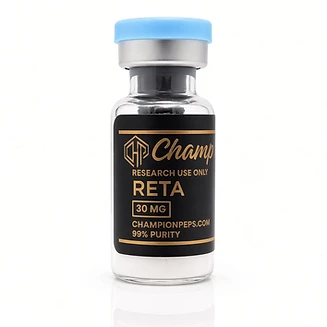
Research use only. Listing a supplier is not an endorsement of any protocol on this site, and nothing sold there is approved for human use.
Related protocols
View allCJC-1295 DAC 2mg
Long-acting GHRH synthetic analog bound to albumin via DAC to sustain continuous GH and IGF-1 elevation in research models.
View ProtocolThymosin Alpha-1 5mg
Thymosin Alpha-1 is a 28-amino-acid peptide studied for T-cell maturation, dendritic function, and immune system modulation.
View ProtocolBPC-157 + TB-500 10mg Blend
A 1:1 dual-peptide blend combining BPC-157 and TB-500 formulated to investigate complementary soft-tissue and wound-healing pathways.
View Protocol