Palmitoyl Tetrapeptide-7 200mg
A synthetic palmitoylated tetrapeptide studied in topical cosmetic formulations for modulating skin inflammation and matrix integrity.
Mechanism
Palmitoyl Tetrapeptide-7 functions as a topical signaling lipopeptide that downregulates pro-inflammatory cytokines such as interleukin-6 in dermal fibroblasts, thereby preserving the structural extracellular matrix.
Dosing
Standard leave-on cosmetic studies benchmark inclusion levels between 0.00001% and 0.0015%, corresponding to roughly 0.003 mg to 0.45 mg of active peptide per 30 g vehicle.
Reconstitution
For laboratory volumetric delivery, reconstituting 200 mg with 20 mL of compatible laboratory solvent yields a workable 10 mg/mL stock solution.
Storage
Store the lyophilized peptide powder protected from light and moisture at or below -20°C, and keep prepared solutions chilled with minimal freeze-thaw cycles.
Mix & measure Palmitoyl Tetrapeptide-7 200mg
Pre-filled with this protocol's recommended BAC water and documented starting dose — edit any field to run your own numbers.
Mix & measure Palmitoyl Tetrapeptide-7 200mg
Vial strength → BAC water → target dose
Total doses in vial: 66666.7
U-100 syringe: 100 units = 1 mL
Reconstitution math only — not dosing advice. U-100 syringe: 100 units = 1 mL. Advanced calculator →
Dosing Chart
| Phase / Day(s) | Dose & Frequency | Volume (U-100 units / mL) |
|---|---|---|
| Low-End Leave-On (0.00001%) | 0.003 mg per 30 g topical base | 0.3 µL stock (0.03 units) |
| Mid-Range Formulation (0.0001%) | 0.03 mg per 30 g topical base | 3 µL stock (0.3 units) |
| Documented Maximum (0.0015%) | 0.45 mg per 30 g topical base | 45 µL stock (4.5 units) |
Reconstitution Steps
- 1
Bring the sealed Palmitoyl Tetrapeptide-7 200 mg vial to room temperature before handling to prevent condensation.
- 2
Sterilize the rubber stopper thoroughly using a standard alcohol swab and allow it to dry completely.
- 3
Draw 20 mL of sterile reconstitution diluent (or designated laboratory solvent) into an appropriate reconstitution syringe.
- 4
Introduce the fluid gently down the inner glass wall of the vial to minimize violent mechanical agitation.
- 5
Swirl smoothly without vigorous shaking until the lyophilized cake is fully dissolved into a uniform 10 mg/mL stock solution.
Supplies Needed


Peptide Vial
Lyophilized Palmitoyl Tetrapeptide-7 parent powder (200 mg) for cosmetic formulation research


Insulin Syringes (U-100)
Accurate volumetric measurement of micro-aliquots from primary stock into topical vehicles


Bacteriostatic Water
Diluent used to establish high-concentration aqueous stock solutions in laboratory handling


Alcohol Swabs
Sanitization of vial septa and contact surfaces to preserve formulation sterility
Why researchers study it
Dermal extracellular matrix stabilization
Suppression of senescent fibroblast cytokine release
Formulation micro-concentration benchmarking
Lipidated peptide cutaneous penetration kinetics
These describe what is being studied, not proven benefits, approved uses, or promised results.
Overview
Palmitoyl Tetrapeptide-7 (Pal-GQPR), historically marketed as Rigin or Palmitoyl Tetrapeptide-3, is an amphiphilic cosmetic lipopeptide composed of a four-amino-acid IgG fragment linked to a palmitic acid acyl chain. By appending the fatty acid moiety, researchers enhance cutaneous permeability across the stratum corneum to target underlying dermal fibroblast dynamics. Widely integrated into multi-component blends such as Matrixyl 3000, the peptide is frequently evaluated for suppressing elevated inflammatory signaling in photoaged or senescent cells. Despite pervasive use across commercial anti-aging formulations, independent peer-reviewed literature isolating the effects of pure Palmitoyl Tetrapeptide-7 remains extremely limited, as most available evidence stems from combination mixtures and industry-sponsored dossiers. Formulation studies note that the active compound operates at parts-per-million concentrations rather than bulk percentages. Pure research vials containing 200 mg of lyophilized powder represent high-yield parent material designed for intermediate laboratory stock preparation before micro-dosing into topical cosmetic matrices.
References
- 1.Johnson et al., Int J Toxicol, 2018 — Safety assessment of palmitoyl tetrapeptide-7 as used in cosmetics
- 2.Resende et al., Pharmaceuticals (Basel), 2021 — Review of synthetic peptide evidence in sensitive skin cosmetics
- 3.Mondon et al., J Cosmet Dermatol, 2015 — Evaluation of dermal ECM changes following topical peptide blend application
- 4.Yang et al., Skin Res Technol, 2024 — Randomized evaluation of multi-component anti-aging eye formulation
- 5.Xing et al., Int J Biol Macromol, 2025 — Chitosan-peptide hydrogel promoting diabetic wound healing in murine models
Supplies Needed
Suggested supplier
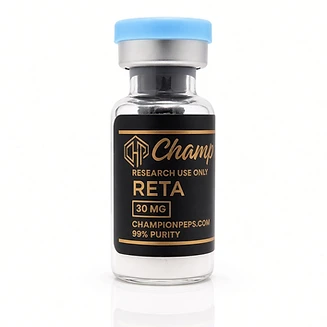
Research use only. Listing a supplier is not an endorsement of any protocol on this site, and nothing sold there is approved for human use.
Related protocols
View allTB-500 + BPC-157 5+5 mg
A dual-peptide research stack pairing TB-500 and BPC-157 in separate vials to investigate complementary soft-tissue and wound healing pathways.
View ProtocolGlutathione 1500mg
Endogenous tripeptide antioxidant researched for cellular redox defense, hepatic conjugation pathways, and pigment regulation.
View ProtocolCJC-1295 DAC 5mg
Long-acting synthetic GHRH analog paired with Drug Affinity Complex to sustain growth hormone release in laboratory models.
View Protocol