Vitamin B12 10mg
Water-soluble cyanocobalamin cofactor investigated for cellular methylation, neurological health, and mitochondrial energy production.
Mechanism
Vitamin B12 acts as an essential cofactor for methionine synthase in homocysteine remethylation and for methylmalonyl-CoA mutase in mitochondrial energy metabolism.
Dosing
Standard laboratory protocols document an initial maintenance dose of 1,000 mcg (0.20 mL or 20 units) administered once weekly.
Reconstitution
Reconstituting a 10 mg vial with 2.0 mL of bacteriostatic water yields a final concentration of 5 mg/mL (5,000 mcg/mL).
Storage
Store the dry lyophilized powder in a cool, dark setting, and refrigerate the reconstituted solution at 2–8 °C strictly protected from light without freezing.
Mix & measure Vitamin B12 10mg
Pre-filled with this protocol's recommended BAC water and documented starting dose — edit any field to run your own numbers.
Mix & measure Vitamin B12 10mg
Vial strength → BAC water → target dose
Total doses in vial: 10.0
U-100 syringe: 100 units = 1 mL
Reconstitution math only — not dosing advice. U-100 syringe: 100 units = 1 mL. Advanced calculator →
Dosing Chart
| Phase / Day(s) | Dose & Frequency | Volume (U-100 units / mL) |
|---|---|---|
| Optional Loading (Weeks 1–2) | 1,000 mcg every 2 days | 20 units (0.20 mL) |
| Maintenance (Ongoing) | 1,000 mcg once weekly | 20 units (0.20 mL) |
Reconstitution Steps
- 1
Aspirate 2.0 mL of sterile bacteriostatic water using an appropriate reconstitution syringe.
- 2
Introduce the diluent slowly against the inside glass wall of the 10 mg vial to prevent agitation.
- 3
Gently swirl or roll the vial until the lyophilized powder is entirely dissolved; do not shake.
- 4
Mark the vial with the preparation date and resulting concentration (5 mg/mL).
- 5
Store the reconstituted vial in a refrigerator between 2–8 °C shielded thoroughly from light exposure.
Supplies Needed


Peptide Vial
Lyophilized research compound vial containing 10 mg of Vitamin B12.


Insulin Syringes (U-100)
Calibrated 1 mL syringes utilized for precise measurement of 20-unit (0.20 mL) research doses.


Bacteriostatic Water
Reconstitution diluent used to dissolve the lyophilized powder at a 2.0 mL volume.


Alcohol Swabs
Sterile pads used to disinfect the rubber vial stopper and injection target areas.
Why researchers study it
Cofactor activity in mitochondrial energy metabolism
Regulation of one-carbon methylation pathways and homocysteine
Maintenance of myelin integrity and peripheral nerve function
Mechanisms underlying erythropoiesis and red blood cell formation
These describe what is being studied, not proven benefits, approved uses, or promised results.
Overview
Vitamin B12 (cyanocobalamin) is a coordination complex featuring a central cobalt atom within a corrin ring structure. In cellular biology, it functions as an obligatory cofactor for fundamental biochemical pathways, notably serving as the precursor for active enzymatic forms including methylcobalamin and adenosylcobalamin. Research contexts frequently utilize parenteral formulations to study physiological processes independent of intrinsic factor-mediated gastrointestinal uptake. At the molecular level, laboratory evaluations focus on the involvement of B12 in one-carbon metabolism, DNA synthesis, and homocysteine regulation. In cell culture and animal models, investigators utilize cobalamin to monitor mitochondrial respiration and the maintenance of structural neural myelin. Its broad stability profile and well-defined metabolic clearance make it a standard reference molecule in biochemical and cellular research. Within laboratory investigations, synthetic research vials provide a consistent medium to evaluate high-affinity cellular uptake, red blood cell differentiation, and neuroprotective pathways. Protocols generally center around repletion mechanics and enzyme-substrate kinetics under controlled experimental designs.
References
- 1.PubChem / NCBI — Vitamin B12 (cyanocobalamin): structure of the cobalt-centered corrin ring and its biological roles
- 2.NIH Office of Dietary Supplements — Vitamin B12 Fact Sheet: forms, coenzyme functions, and role in one-carbon metabolism
- 3.U.S. Food & Drug Administration — FDA-approved prescribing information for cyanocobalamin injection: indications, dosing and administration
- 4.Cleveland Clinic — Vitamin B12 injections: how they are given, who benefits, and what to expect
- 5.Blood / Hematology (PubMed) — Vitamin B12 and methionine synthase in red-cell formation; deficiency and megaloblastic anemia
- 6.Journal of Biological Chemistry (PubMed) — Adenosylcobalamin as a cofactor for methylmalonyl-CoA mutase in mitochondrial energy metabolism
- 7.New England Journal of Medicine (PubMed) — Vitamin B12 deficiency: neurological manifestations and response to parenteral repletion
- 8.American Journal of Clinical Nutrition (PubMed) — Parenteral versus oral vitamin B12: absorption, dosing intervals and repletion of body stores
Supplies Needed
Suggested supplier
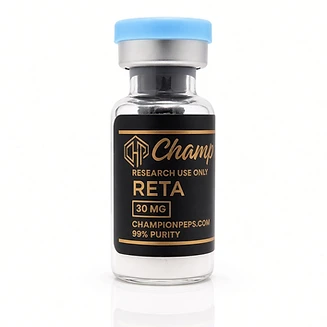
Research use only. Listing a supplier is not an endorsement of any protocol on this site, and nothing sold there is approved for human use.