Ipamorelin + Tesamorelin 16mg
A 16 mg GH secretagogue blend containing 13 mg tesamorelin and 3 mg ipamorelin for investigating dual-pathway pituitary stimulation.
Mechanism
Tesamorelin activates pituitary GHRH receptors while ipamorelin selectively stimulates GHS-R1a ghrelin receptors, coordinating complementary intracellular pathways to promote endogenous growth hormone output.
Dosing
Standard research protocols evaluate an initial total-blend dose of 800 mcg once daily to observe preliminary subject tolerance.
Reconstitution
Introducing 3.0 mL of bacteriostatic water into the 16 mg vial yields an aggregate peptide concentration of approximately 5.33 mg/mL (4.33 mg/mL tesamorelin and 1.0 mg/mL ipamorelin).
Storage
Store the unmixed lyophilized vial at -20 °C, and once reconstituted, maintain the liquid solution between 2 and 8 °C protected from light without freezing.
Mix & measure Ipamorelin + Tesamorelin 16mg
Pre-filled with this protocol's recommended BAC water and documented starting dose — edit any field to run your own numbers.
Mix & measure Ipamorelin + Tesamorelin 16mg
Vial strength → BAC water → target dose
Total doses in vial: 20.0
U-100 syringe: 100 units = 1 mL
Reconstitution math only — not dosing advice. U-100 syringe: 100 units = 1 mL. Advanced calculator →
Dosing Chart
| Phase / Day(s) | Dose & Frequency | Volume (U-100 units / mL) |
|---|---|---|
| Weeks 1–4 | 800 mcg total (1× daily) | 15 units (0.15 mL) |
| Weeks 5–8 | 1,600 mcg total (1× daily) | 30 units (0.30 mL) |
Reconstitution Steps
- 1
Draw 3.0 mL of bacteriostatic water using a sterile syringe.
- 2
Gently inject the diluent down the inside glass wall of the 16 mg vial to avoid turbulent foaming.
- 3
Slowly roll or swirl the vial until the lyophilized cake is completely dissolved; do not shake.
- 4
Mark the vial with the preparation date, total concentration (5.33 mg/mL), and constituent ratio (13:3).
- 5
Refrigerate immediately at 2–8 °C (35.6–46.4 °F) in a dark environment.
Supplies Needed


Peptide Vial
Contains 16 mg total lyophilized powder (13 mg tesamorelin and 3 mg ipamorelin)


Insulin Syringes (U-100)
Enables accurate volumetric measurement and subcutaneous administration of research doses


Bacteriostatic Water
Provides 3.0 mL of sterile, preserved solvent required to dissolve the lyophilized peptide


Alcohol Swabs
Sterilizes the vial rubber stopper and test injection sites prior to needle insertion
Why researchers study it
Visceral adipose tissue reduction and lipolysis pathways
Dual-receptor elevation of systemic GH and IGF-1 levels
Targeted GHS-R1a activation devoid of ACTH or cortisol spikes
Exploration of fixed 13:3 GHRH and GHRP secretagogue dynamics
These describe what is being studied, not proven benefits, approved uses, or promised results.
Overview
This preparation combines two distinct growth hormone secretagogues into a single 16 mg lyophilized vial at a fixed 13:3 ratio, comprising roughly 81.25% tesamorelin and 18.75% ipamorelin. The formulation is structured to evaluate whether concurrent signaling via separate receptor families produces an additive or complementary neuroendocrine signal. Tesamorelin functions as a stabilized synthetic analogue of growth hormone-releasing factor, acting directly on pituitary GHRH receptors. In contrast, ipamorelin is a synthetic pentapeptide that selectively targets the growth hormone secretagogue receptor (GHS-R1a) without triggering downstream increases in ACTH or cortisol. The fixed proportion ensures consistent simultaneous delivery of both compounds across experimental administrations.
References
- 1.Falutz et al., J Clin Endocrinol Metab, 2010 — pooled phase-3 analysis of tesamorelin 2 mg SC daily reducing visceral fat and elevating IGF-1
- 2.Falutz et al., J Acquir Immune Defic Syndr, 2010 — 12-month randomized trial evaluating visceral fat loss and post-cessation regain
- 3.Stanley et al., Clin Infect Dis, 2012 — metabolic outcomes and biomarker shifts among tesamorelin responders vs non-responders
- 4.Dhillon, Drugs, 2011 — comprehensive clinical review of tesamorelin pharmacodynamics and fat re-accumulation
- 5.Raun et al., Eur J Endocrinol, 1998 — identification and pharmacological characterization of ipamorelin as a selective GH secretagogue
- 6.Gobburu et al., Pharm Res, 1999 — human pharmacokinetic and pharmacodynamic intravenous infusion profiles of ipamorelin
- 7.Ghigo et al., Ann Med, 1998 — review of synergistic growth hormone release via combined GHRH and GHS-R pathway stimulation
- 8.DailyMed, EGRIFTA SV Prescribing Information, 2024 — regulatory labeling, contraindications, and dosing parameters for tesamorelin
- 9.WADA, Prohibited List, 2024 — categorization of peptide hormones and growth factor secretagogues under class S2
Supplies Needed
Suggested supplier
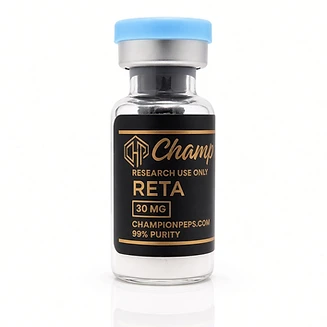
Research use only. Listing a supplier is not an endorsement of any protocol on this site, and nothing sold there is approved for human use.