Orforglipron 6mg
An oral, non-peptide GLP-1 receptor agonist studied for daily metabolic regulation and body-weight management without injection.
Mechanism
Selectively binds and activates the GLP-1 receptor as a non-peptide small molecule, enhancing glucose-dependent insulin secretion, delaying gastric emptying, and suppressing central appetite signals.
Dosing
Standard experimental protocols initiate administration at 6 mg taken orally once per day for the first four weeks.
Reconstitution
Supplied as pre-formulated solid oral capsules requiring zero bacteriostatic water or liquid preparation.
Storage
Store sealed capsules in their original container at controlled room temperature, shielded from moisture, excessive heat, and direct sunlight.
Mix & measure Orforglipron 6mg
Pre-filled with this protocol's recommended BAC water and documented starting dose — edit any field to run your own numbers.
Mix & measure Orforglipron 6mg
Vial strength → BAC water → target dose
Total doses in vial: —
U-100 syringe: 100 units = 1 mL
Reconstitution math only — not dosing advice. U-100 syringe: 100 units = 1 mL. Advanced calculator →
Dosing Chart
| Phase / Day(s) | Dose & Frequency | Volume (U-100 units / mL) |
|---|---|---|
| Weeks 1–4 | 6 mg once daily | 1 capsule (oral) |
| Weeks 5–8 | 12 mg once daily | 2 capsules (oral) |
| Weeks 9–12 | 24 mg once daily | 4 capsules (oral) |
| Week 13+ (Maintenance) | Up to 36 mg once daily | Up to 6 capsules (oral) |
Reconstitution Steps
- 1
Verify the intact factory seal on the capsule container before beginning experimental procedures.
- 2
Do not add bacteriostatic water, sterile diluents, or attempt liquid reconstitution; this compound is an oral solid-dose form.
- 3
Open the container in an environment free from excessive humidity and count out the required intact capsules.
- 4
Inspect the capsules visually to ensure shell integrity with no cracks, discoloration, or compromise.
- 5
Promptly reseal the container lid with the desiccant inside to preserve atmospheric stability.
Supplies Needed


Peptide Vial
Supplied as bottled 6 mg oral capsules; source of the active compound.


Insulin Syringes (U-100)
Not required; oral capsule protocols require no parenteral syringes.


Bacteriostatic Water
Not required; solid oral formulations do not undergo liquid reconstitution.


Alcohol Swabs
Not required; compound involves oral administration without injection sites.
Why researchers study it
Investigation of oral small-molecule GLP-1 receptor activation
Effects on adiposity and chronic body-weight regulation
Glycemic control and HbA1c moderation in metabolic models
Appetite suppression and nutrient intake signaling dynamics
Cardiometabolic endpoint modulation including blood pressure and lipid profiles
These describe what is being studied, not proven benefits, approved uses, or promised results.
Overview
Orforglipron (LY3502970) represents a significant evolutionary step in incretin mimetic research as an orally bioavailable, non-peptide small-molecule agonist of the GLP-1 receptor. Unlike conventional therapeutic peptides that degrade rapidly in the digestive tract and require parenteral administration or absorption enhancers, orforglipron maintains high chemical stability through oral delivery, eliminating injection hurdles and food-timing restrictions in laboratory protocols. Investigational focus in large-scale clinical programs like ATTAIN and ACHIEVE centers on orforglipron's ability to activate incretin pathways, curb appetite, and moderate glycemic fluctuations. In experimental settings, oral administration allows researchers to evaluate sustained GLP-1 signaling profiles across prolonged intervention cycles while bypassing the compliance barriers and injection-site variables typical of subcutaneous biologics. This documentation is restricted to in vitro and controlled laboratory research settings evaluating small-molecule incretin receptor pharmacology. It is strictly not intended for human consumption or clinical therapy, and researchers must handle all materials under validated non-clinical protocols.
References
- 1.New England Journal of Medicine, 2025 — Phase 3 trial design and dosing overview of oral small-molecule GLP-1 agonist orforglipron
- 2.Eli Lilly / ATTAIN-1, 2025 — ATTAIN-1 trial evaluating weight loss outcomes with once-daily oral orforglipron
- 3.Eli Lilly / ACHIEVE-1, 2025 — ACHIEVE-1 trial assessing glycemic and A1c reductions in type 2 diabetes
- 4.Cell Metabolism, 2024 — Non-peptide GLP-1 receptor agonism and pharmacology of orally bioavailable small molecules
- 5.Nature Reviews Endocrinology, 2024 — Clinical landscape review of GLP-1 receptor agonists in obesity and diabetes
Supplies Needed
Suggested supplier
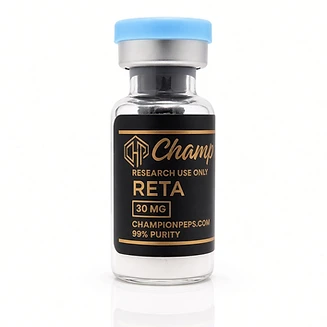
Research use only. Listing a supplier is not an endorsement of any protocol on this site, and nothing sold there is approved for human use.
Related protocols
View allTesamorelin 20mg
A stabilized GHRH analog investigated for triggering endogenous growth hormone pulses and targeted reduction of visceral adipose tissue.
View ProtocolTesamorelin 10mg
Tesamorelin is a stabilized synthetic GHRH analog researched for visceral adipose tissue reduction and endogenous growth hormone release.
View ProtocolDulaglutide 5mg
A long-acting GLP-1 receptor agonist fusion protein engineered for weekly metabolic, glycemic, and cardiovascular research applications.
View Protocol