Dulaglutide 5mg
A long-acting GLP-1 receptor agonist fusion protein engineered for weekly metabolic, glycemic, and cardiovascular research applications.
Mechanism
Dulaglutide activates pancreatic and peripheral GLP-1 receptors to promote glucose-dependent insulin release, attenuate glucagon secretion, and delay gastrointestinal transit, with an IgG4-Fc fusion moiety providing sustained resistance against enzymatic clearance.
Dosing
Standard clinical models reference an initial weekly introductory dose of 0.75 mg, titrating upward based on glycemic objectives.
Reconstitution
Reconstituting a 5 mg vial with 1 mL of bacteriostatic water creates an experimental concentration of 5 mg/mL.
Storage
Store unmixed lyophilized containers and reconstituted solutions refrigerated between 2°C and 8°C protected from light, avoiding freezing and vigorous agitation to protect the fusion protein.
Mix & measure Dulaglutide 5mg
Pre-filled with this protocol's recommended BAC water and documented starting dose — edit any field to run your own numbers.
Mix & measure Dulaglutide 5mg
Vial strength → BAC water → target dose
Common vial sizes
Label claim
Total doses in vial: 6.7
U-100 syringe: 100 units = 1 mL
Need supplies for this protocol?
Research-grade peptides, fast shipping, competitive pricing
Reconstitution math only — not dosing advice. U-100 syringe: 100 units = 1 mL. Advanced calculator →
Track my protocol
Log each dose, build a streak, and watch your progress through this protocol's schedule.
Dosing Chart
| Phase / Day(s) | Dose & Frequency | Volume (U-100 units / mL) |
|---|---|---|
| Initial Phase (Weeks 1–4) | 0.75 mg once weekly | 0.15 mL (15 units) |
| Standard Titration (Weeks 5+) | 1.5 mg once weekly | 0.30 mL (30 units) |
| Advanced Escalation | 3.0 mg once weekly | 0.60 mL (60 units) |
| Maximum Escalation | 4.5 mg once weekly | 0.90 mL (90 units) |
Reconstitution Steps
- 1
Disinfect the rubber stoppers of both the dulaglutide vial and the bacteriostatic water container using sterile alcohol swabs and allow them to dry completely.
- 2
Draw exactly 1.0 mL of bacteriostatic water using a sterile syringe.
- 3
Carefully penetrate the dulaglutide vial stopper, angling the needle to allow the fluid to flow slowly down the glass wall rather than directly impacting the lyophilized cake.
- 4
Allow the solution to rest undisturbed for approximately 30 seconds to initiate passive dissolution.
- 5
Swirl or roll the vial gently between the palms until completely clear; avoid shaking to prevent foaming and structural denaturation of the fusion protein.
- 6
Inspect the final solution to ensure it is clear, colorless, and free of particulates, then place in refrigerated storage at 2–8°C.
Supplies Needed


Peptide Vial
Supplies 5 mg of lyophilized dulaglutide fusion protein for experimental research.


Insulin Syringes (U-100)
Enables accurate volumetric withdrawal and division of reconstituted solution increments.


Bacteriostatic Water
Serves as the sterile, preserved diluent required to dissolve the lyophilized compound.


Alcohol Swabs
Utilized to sterilize vial stoppers and work surfaces to maintain aseptic handling conditions.
Why researchers study it
Blood sugar management and glycemic control models
Cardiovascular and long-term renal outcomes
Moderate appetite regulation and metabolic tracking
Pharmacokinetics of IgG4-Fc peptide fusion architectures
These describe what is being studied, not proven benefits, approved uses, or promised results.
Overview
Dulaglutide represents an advanced biotechnological approach within the incretin mimetic class. Distinct from smaller linear peptides, it is structured as a large covalent fusion protein incorporating modified glucagon-like peptide-1 analog chains anchored to a modified human IgG4-Fc fragment. This deliberate molecular architecture grants the construct substantial enzymatic stability against DPP-4 cleavage while retarding renal filtration via neonatal Fc-receptor salvage pathways, sustaining a half-life of roughly five days suitable for once-weekly investigative models. Historically developed and approved under the commercial name Trulicity for type 2 diabetes management, experimental documentation reflects strong modulation of glycemic control and cardioprotective parameters. Unlike non-fused incretin analogues, its therapeutic footprint prioritizes glucoregulatory stabilization over aggressive mass reduction, yielding consistent HbA1c reductions alongside comparatively moderate changes in body weight. From a laboratory benchwork perspective, researchers must note that genuine pharmacological data stems from pharmaceutical pre-filled single-dose liquid formulations rather than dry lyophilized batches. Synthetic reproduction of a complex, glycosylated ~59.7 kDa dimer requires stringent molecular validation, meaning reconstitutable grey-market vials warrant meticulous analytical oversight regarding folding fidelity, structural integrity, and purity before experimental implementation.
References
- 1.Glaesner et al., Diabetes/Metabolism Research and Reviews, 2010 — Engineering and characterization of the long-acting glucagon-like peptide-1 analogue LY2189265, an Fc fusion protein
- 2.Dungan et al., The Lancet, 2014 — Once-weekly dulaglutide versus once-daily liraglutide in metformin-treated patients with type 2 diabetes (AWARD-6)
- 3.Gerstein et al., The Lancet, 2019 — Dulaglutide and cardiovascular outcomes in type 2 diabetes (REWIND): a double-blind, randomised placebo-controlled trial
- 4.Gerstein et al., The Lancet, 2019 — Dulaglutide and renal outcomes in type 2 diabetes: an exploratory analysis of the REWIND trial
- 5.Bonora et al., Diabetes, Obesity and Metabolism, 2021 — Effect of dulaglutide 3.0 and 4.5 mg on weight in patients with type 2 diabetes: exploratory analyses of AWARD-11
Supplies Needed
Suggested supplier
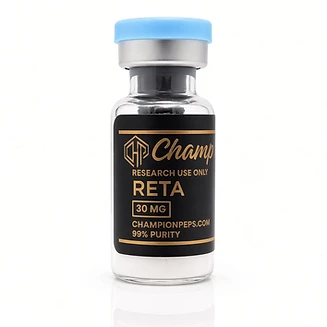
Research use only. Listing a supplier is not an endorsement of any protocol on this site, and nothing sold there is approved for human use.
Related protocols
View allTesamorelin 10mg
Tesamorelin is a stabilized synthetic GHRH analog researched for visceral adipose tissue reduction and endogenous growth hormone release.
View ProtocolMOTS-C 20mg
Mitochondrial-derived peptide investigated in preclinical models for AMPK activation, glucose regulation, and metabolic homeostasis.
View ProtocolTirzepatide 30mg
Dual GIP and GLP-1 receptor agonist studied for glycemic control, profound weight reduction, and metabolic health.
View Protocol