NAD+ 1000mg
Cellular coenzyme vital for mitochondrial bioenergetics, sirtuin activation, and systemic metabolic maintenance in research models.
Mechanism
Operates as a central redox electron transporter in cellular respiration and serves as an obligate cosubstrate for PARPs and sirtuin enzymes that regulate DNA repair and cellular longevity.
Dosing
Standard laboratory reference designs initiate investigation at 50 mg administered once daily via subcutaneous route, adjusting gradually up to 100 mg as indicated.
Reconstitution
Mix 10.0 mL of bacteriostatic water into the 1000 mg vial to produce a 100 mg/mL solution where each 1 unit on a U-100 syringe represents 1 mg.
Storage
Store the unmixed lyophilized vial at -20 °C; once reconstituted, refrigerate at 2–8 °C away from light and strictly avoid freezing.
Mix & measure NAD+ 1000mg
Pre-filled with this protocol's recommended BAC water and documented starting dose — edit any field to run your own numbers.
Mix & measure NAD+ 1000mg
Vial strength → BAC water → target dose
Total doses in vial: 20.0
U-100 syringe: 100 units = 1 mL
Reconstitution math only — not dosing advice. U-100 syringe: 100 units = 1 mL. Advanced calculator →
Dosing Chart
| Phase / Day(s) | Dose & Frequency | Volume (U-100 units / mL) |
|---|---|---|
| Weeks 1–2 | 50 mg (1× daily) | 50 units (0.50 mL) |
| Weeks 3–4 | 75 mg (1× daily) | 75 units (0.75 mL) |
| Weeks 5–8 | 100 mg (1× daily) | 100 units (1.0 mL) |
| Weeks 9–12 | 100 mg (1× daily) | 100 units (1.0 mL) |
Reconstitution Steps
- 1
Draw exactly 10.0 mL of bacteriostatic water using a sterile syringe.
- 2
Introduce the diluent slowly down the interior wall of the glass vial to minimize turbulence and foaming.
- 3
Swirl and roll the vial gently between the hands until the powder dissolves fully without shaking.
- 4
Document the reconstitution date and resulting concentration (100 mg/mL) on the vial label.
- 5
Store the mixed solution in the dark within a laboratory refrigerator set to 2–8 °C.
Supplies Needed


Peptide Vial
NAD+ lyophilized cake (1000 mg) for reconstituting research solutions


Insulin Syringes (U-100)
1 mL sterile syringes used for accurate calibration and subcutaneous sampling


Bacteriostatic Water
10.0 mL sterile diluent preserved with 0.9% benzyl alcohol


Alcohol Swabs
Aseptic disinfection of the rubber vial stopper and injection target site
Why researchers study it
Longevity and cellular aging
Cellular energy and redox metabolism
Mitochondrial functional output
Cognitive health and neuroprotection
These describe what is being studied, not proven benefits, approved uses, or promised results.
Overview
Nicotinamide adenine dinucleotide (NAD+) is an essential pyridine nucleotide coenzyme present in all living cells, functioning as an indispensable electron carrier in metabolic redox pathways. Although often grouped within modern peptide investigations, NAD+ is biochemically a dinucleotide rather than an amino acid polymer. It exists in interchangeable oxidized (NAD+) and reduced (NADH) states, acting as an obligate cofactor across key metabolic pathways, including glycolysis, the tricarboxylic acid cycle, and oxidative phosphorylation. In investigative biology, scientific interest centers on the age-dependent depletion of systemic and cellular NAD+ reserves. Depleted pools impair downstream enzymatic signaling pathways, notably sirtuins and poly(ADP-ribose) polymerases (PARPs), which coordinate genomic stability, chromatin remodeling, and mitochondrial maintenance. Laboratory explorations frequently incorporate exogenous administration models to evaluate whether direct supplementation can rescue bioenergetic deficits and modulate aging phenotypes.
References
- 1.Covarrubias et al., Pharmaceuticals (Basel), 2020 — Clinical evidence for targeting NAD+ therapeutically: metabolic pathways and therapeutic potential
- 2.Braidy et al., PMC, 2021 — Comprehensive review of NAD+ metabolism, mitochondrial function and aging
- 3.Grant et al., Frontiers in Aging Neuroscience, 2019 — Pilot study of human plasma and urine NAD+ metabolome during a 6-hour IV infusion (750 mg)
Supplies Needed
Suggested supplier
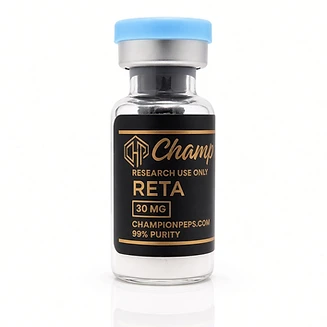
Research use only. Listing a supplier is not an endorsement of any protocol on this site, and nothing sold there is approved for human use.
Related protocols
View allBPC-157 5mg
Synthetic gastric pentadecapeptide investigated in preclinical models for soft tissue repair, gut cytoprotection, and angiogenesis.
View ProtocolVentfort 20mg
Natural vascular tissue peptide bioregulator investigated for microvascular integrity, endothelial function, and cellular renewal.
View ProtocolKPV 10mg
KPV is an alpha-MSH-derived C-terminal tripeptide studied for NF-kB suppression, mucosal healing, and inflammatory modulation.
View Protocol