KPV 10mg
KPV is an alpha-MSH-derived C-terminal tripeptide studied for NF-kB suppression, mucosal healing, and inflammatory modulation.
Mechanism
Internalized via the PepT1 transporter, KPV acts intracellularly to suppress NF-kB nuclear translocation and MAP kinase signaling pathways, thereby downregulating pro-inflammatory cytokine expression.
Dosing
Research doses of 250–500 mcg per day documented in animal models.
Reconstitution
Add 2.0 mL bacteriostatic water to one 10 mg vial resulting in an experimental concentration of 5 mg/mL.
Storage
Lyophilized: refrigerate or freeze; after reconstitution, refrigerate at 2–8 °C.
Mix & measure KPV 10mg
Pre-filled with this protocol's recommended BAC water and documented starting dose — edit any field to run your own numbers.
Mix & measure KPV 10mg
Vial strength → BAC water → target dose
Total doses in vial: 40.0
U-100 syringe: 100 units = 1 mL
Reconstitution math only — not dosing advice. U-100 syringe: 100 units = 1 mL. Advanced calculator →
Dosing Chart
| Phase / Day(s) | Dose & Frequency | Volume (U-100 units / mL) |
|---|---|---|
| Phase 1: Initiation (Days 1–7) | 250 mcg daily | 5 units (0.05 mL) |
| Phase 2: Standard Research (Days 8–28) | 500 mcg daily | 10 units (0.10 mL) |
Reconstitution Steps
- 1
Remove the lyophilized 10 mg KPV vial and bacteriostatic water from cold storage and equilibrate to ambient room temperature.
- 2
Sterilize the rubber stoppers of both vials using an isopropyl alcohol wipe.
- 3
Using a sterile syringe, draw exactly 2.0 mL of bacteriostatic water.
- 4
Insert the needle into the KPV vial and dispense the diluent slowly down the inner glass wall to prevent shearing the peptide.
- 5
Swirl or roll the vial gently between hands until the lyophilized cake is fully dissolved; avoid vigorous shaking.
- 6
Label the vial with the reconstitution date and resulting concentration (5 mg/mL), and store immediately at 2–8 °C.
Supplies Needed


Peptide Vial
Provides 10 mg of lyophilized KPV tripeptide, sufficient for 20 to 40 laboratory doses depending on study protocol.


Insulin Syringes (U-100)
Used for precise measurement and administration of low-volume research doses, requiring approximately 30 syringes per study cycle.


Bacteriostatic Water
Serves as the reconstitution solvent containing 0.9% benzyl alcohol; one 30 mL multi-dose vial provides the required 2.0 mL volume.


Alcohol Swabs
Used to maintain aseptic conditions on vial stoppers prior to drawing diluent and peptide; roughly 60 pads are needed per experimental protocol.
Why researchers study it
Anti-inflammatory effects
Colitis & gut-lining models
Wound healing research
Mucosal protection
These describe what is being studied, not proven benefits, approved uses, or promised results.
Overview
KPV is a synthetic tripeptide consisting of lysine, proline, and valine, representing residues 11 through 13 of the C-terminal region of alpha-melanocyte-stimulating hormone (alpha-MSH). While preserving the pronounced anti-inflammatory properties of the full-length parent hormone, KPV lacks the melanotropic amino acid core responsible for pigmentation. This structural dissociation allows investigators to examine melanocortin-related immune regulation in experimental models without confounding pigmentary signaling. Mechanistically, KPV enters cells via the oligopeptide transporter PepT1, an apical membrane transport protein that is characteristically upregulated in inflamed epithelial and mucosal tissues. Once internalized, KPV inhibits nuclear factor kappa B (NF-kB) translocation and suppresses mitogen-activated protein (MAP) kinase cascades. This intracellular interference markedly curtails the transcription and secretion of pro-inflammatory cytokines, including TNF-alpha, IL-1beta, and IL-8. Current research remains predominantly preclinical, focusing heavily on murine models of inflammatory bowel disease, dextran sulfate sodium-induced colitis, dermal wound healing, and epithelial barrier reconstitution. Due to its molecular stability, PepT1 transport affinity, and absence of classic melanocortin receptor-mediated pigmentary effects, KPV serves as a targeted tool in ongoing gastrointestinal and dermatological research paradigms.
References
- 1.Dalmasso et al., Gastroenterology, 2008 — PepT1-mediated tripeptide KPV uptake reduces intestinal inflammation
- 2.Luger et al., Annals of the New York Academy of Sciences, 2003 — α-MSH related peptides: a new class of anti-inflammatory and immunomodulating drugs
- 3.Getting et al., Journal of Pharmacology and Experimental Therapeutics, 2003 — Dissection of the anti-inflammatory effect of the core and C-terminal (KPV) alpha-melanocyte-stimulating hormone peptides
- 4.Xiao et al., Molecular Therapy, 2017 — Orally targeted delivery of tripeptide KPV via hyaluronic acid nanoparticles for colitis mucosal healing
- 5.Land, Journal of Cellular Physiology, 2012 — Mechanism of KPV action and repression of NF-κB inflammatory signaling in epithelial cells
Supplies Needed
Suggested supplier
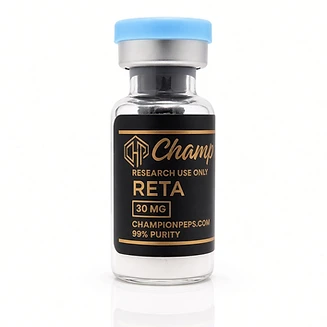
Research use only. Listing a supplier is not an endorsement of any protocol on this site, and nothing sold there is approved for human use.