Mazdutide 10mg
Dual GLP-1 and glucagon receptor agonist investigated for synergistic appetite control, energy expenditure, and glycemic regulation.
Mechanism
Mazdutide operates as a long-acting co-agonist of GLP-1 and glucagon receptors, harmonizing GLP-1-mediated satiety and delayed gastric emptying with glucagon-driven metabolic rate elevation and hepatic lipid turnover.
Dosing
Standard laboratory titration protocols initiate at 2.5 mg administered subcutaneously once weekly for four weeks prior to dose escalation.
Reconstitution
Introducing 3.0 mL of bacteriostatic water into a 10 mg lyophilized vial yields a working solution of approximately 3.33 mg/mL (33.3 mcg per U-100 unit).
Storage
Preserve unconstituted vials frozen at -20 °C protected from moisture and light; store reconstituted solutions refrigerated between 2 and 8 °C for up to 28 days without freezing.
Mix & measure Mazdutide 10mg
Pre-filled with this protocol's recommended BAC water and documented starting dose — edit any field to run your own numbers.
Mix & measure Mazdutide 10mg
Vial strength → BAC water → target dose
Total doses in vial: 4.0
U-100 syringe: 100 units = 1 mL
Reconstitution math only — not dosing advice. U-100 syringe: 100 units = 1 mL. Advanced calculator →
Dosing Chart
| Phase / Day(s) | Dose & Frequency | Volume (U-100 units / mL) |
|---|---|---|
| Weeks 1–4 | 2.5 mg once weekly | 75 units (0.75 mL) |
| Weeks 5–8+ | 5.0 mg once weekly | 150 units (1.50 mL) |
Reconstitution Steps
- 1
Draw 3.0 mL of bacteriostatic water into a sterile reconstitution syringe.
- 2
Gently inject the diluent along the interior glass wall of the 10 mg vial to minimize agitation and foaming.
- 3
Slowly roll or swirl the vial until the lyophilized cake is completely dissolved; never agitate vigorously.
- 4
Record the date and resulting concentration (~3.33 mg/mL) on the label, then store refrigerated between 2–8 °C away from light.
Supplies Needed


Peptide Vial
Mazdutide 10 mg lyophilized powder vial for laboratory research reconstitutions.


Insulin Syringes (U-100)
U-100 insulin syringes (1.0 mL) utilized for accurate volume withdrawal and subcutaneous administration.


Bacteriostatic Water
Sterile 0.9% benzyl alcohol preserved water used to reconstitute the peptide cake.


Alcohol Swabs
70% isopropyl alcohol wipes for sanitizing vial septa and injection research surfaces.
Why researchers study it
Weight management
Glycemic control
Hepatic fat / liver
Energy expenditure
These describe what is being studied, not proven benefits, approved uses, or promised results.
Overview
Mazdutide (also known as IBI362 or LY3305677) is an investigational peptide designed to act as a dual agonist at both the glucagon-like peptide-1 (GLP-1) receptor and the glucagon receptor. By co-activating these two metabolic pathways, it is engineered to suppress appetite and delay gastric transit while simultaneously stimulating basal energy expenditure and hepatic lipid metabolism. Clinical and preclinical research programs evaluate mazdutide primarily for substantial body mass management and glycemic control in metabolic disorders such as type 2 diabetes. Its extended pharmacokinetics support once-weekly administration schedules in controlled trials, exhibiting potent reductions in body weight alongside favorable alterations in liver fat content and circulating lipid parameters. While approved by regulatory agencies in China for adult weight management and glycemic regulation, mazdutide remains an investigational molecule in western jurisdictions including the United States and Europe. Laboratory protocols emphasize careful titration sequences to monitor and mitigate gastrointestinal reactivity during experimental regimens.
References
- 1.Author et al., EClinicalMedicine, 2023 — Phase 1b trial of mazdutide 9-10 mg in adults with overweight or obesity
- 2.Author et al., Nature Communications, 2022 — Phase 2 randomized controlled trial of mazdutide in overweight or obese adults
- 3.Author et al., New England Journal of Medicine, 2024 — Phase 3 trial of once-weekly mazdutide over 48 weeks
- 4.Author et al., Diabetes Care, 2023 — Phase 2 trial of mazdutide safety and efficacy in type 2 diabetes
- 5.Author et al., Frontiers in Endocrinology, 2024 — Meta-analysis of mazdutide for weight loss across metabolic cohorts
- 6.Author et al., International Journal of Obesity, 2023 — Review of dual GLP-1 and glucagon receptor agonists in obesity
- 7.Bachem, Knowledge Center, 2023 — Peptide storage and handling technical guidelines
- 8.NCBI Bookshelf, Clinical Guidelines, 2021 — Subcutaneous injection protocols and aseptic rotation practices
- 9.National Medical Products Administration, Regulatory Notice, 2025 — China approval of mazdutide for weight management and glycemic control
- 10.Centers for Disease Control and Prevention, Clinical Protocols, 2022 — Standardized subcutaneous administration technique
Supplies Needed
Suggested supplier
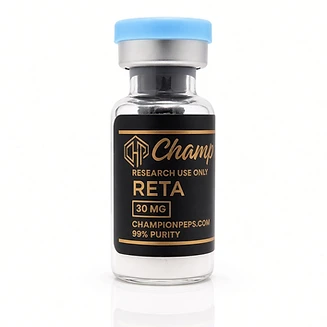
Research use only. Listing a supplier is not an endorsement of any protocol on this site, and nothing sold there is approved for human use.
Related protocols
View allCardiogen 20mg
Synthetic short-chain tetrapeptide bioregulator studied for its potential effects on cardiomyocyte gene expression and cardiovascular integrity.
View ProtocolMazdutide 5mg
Dual GLP-1 and glucagon receptor agonist evaluated in clinical models for robust metabolic regulation and body weight reduction.
View ProtocolPT-141 10mg
A synthetic melanocortin receptor agonist evaluated in clinical and laboratory models for centrally regulated libido and sexual response.
View Protocol