MOTS-c 10mg
Mitochondrial-derived 16-amino acid peptide that activates AMPK and regulates cellular energy metabolism and insulin sensitivity.
Mechanism
MOTS-c inhibits the folate cycle and de novo purine synthesis to induce AICAR accumulation, driving robust downstream AMPK activation and metabolic homeostasis.
Dosing
Documented laboratory research schedules utilize 5 to 10 mg administered 2 to 3 times weekly.
Reconstitution
Add 2.0 mL bacteriostatic water to yield a final concentration of 5 mg/mL.
Storage
Store lyophilized powder at −20 °C; once reconstituted, refrigerate at 2–8 °C and protect from light.
Mix & measure MOTS-c 10mg
Pre-filled with this protocol's recommended BAC water and documented starting dose — edit any field to run your own numbers.
Mix & measure MOTS-c 10mg
Vial strength → BAC water → target dose
Total doses in vial: 2.0
U-100 syringe: 100 units = 1 mL
Reconstitution math only — not dosing advice. U-100 syringe: 100 units = 1 mL. Advanced calculator →
Dosing Chart
| Phase / Day(s) | Dose & Frequency | Volume (U-100 units / mL) |
|---|---|---|
| Initiation (Weeks 1–2) | 5 mg, 2 times weekly | 100 units (1.0 mL) |
| Maintenance (Weeks 3–4) | 5 mg, 3 times weekly | 100 units (1.0 mL) |
| Advanced Study (Weeks 5+) | 10 mg, 2 times weekly | 200 units (2.0 mL) |
Reconstitution Steps
- 1
Remove the 10 mg MOTS-c vial and bacteriostatic water from cold storage and equilibrate to room temperature for 15–20 minutes.
- 2
Clean the rubber stoppers of both vials thoroughly using fresh alcohol swabs and allow them to air-dry.
- 3
Draw exactly 2.0 mL of bacteriostatic water into a sterile mixing syringe.
- 4
Insert the needle into the MOTS-c vial at a slight angle and inject the diluent slowly down the inner glass wall to prevent shearing the peptide.
- 5
Gently swirl and roll the vial between your palms until the lyophilized cake is completely dissolved; do not shake.
- 6
Affix a label indicating the date of preparation and the 5 mg/mL concentration, then store immediately in refrigeration at 2–8 °C.
Supplies Needed


Peptide Vial
Supplies 10 mg of lyophilized MOTS-c research peptide, sufficient for 1–2 experimental research doses depending on the study protocol.


Insulin Syringes (U-100)
Enables calibrated volume measurement and delivery; approximately 4 to 6 syringes are required per two-week experimental phase.


Bacteriostatic Water
Serves as the sterile antimicrobial diluent, requiring 2.0 mL per 10 mg vial to achieve the target 5 mg/mL concentration.


Alcohol Swabs
Used to sanitize vial stoppers and needle access points before every draw, requiring 2 swabs per handling session.
Why researchers study it
AMPK activation and metabolic homeostasis
Insulin sensitivity restoration
Skeletal muscle glucose uptake
Exercise endurance and physical performance
These describe what is being studied, not proven benefits, approved uses, or promised results.
Overview
MOTS-c (mitochondrial open reading frame of the 12S rRNA type-c) is a 16-amino acid signaling peptide encoded within the mitochondrial genome. Historically, mitochondria were considered purely metabolic engines, but the isolation of MOTS-c demonstrated their active endocrine and regulatory capacity across systemic tissues. The primary site of physiological action appears to be skeletal muscle, where it directly engages one-carbon folate pools and modulates purine synthesis pathways. At the cellular level, MOTS-c inhibits the folate cycle and downstream de novo purine biosynthesis. This metabolic shift promotes the intracellular accumulation of 5-aminoimidazole-4-carboxamide ribonucleotide (AICAR), a known activator of AMP-activated protein kinase (AMPK). Through AMPK phosphorylation, MOTS-c stimulates cellular glucose uptake, optimizes lipid oxidation, and restores insulin sensitivity independently of traditional insulin receptor signaling cascades. In preclinical research models, MOTS-c has demonstrated substantial protective capacity against diet-induced obesity, hepatic steatosis, and age-related insulin resistance. Contemporary investigations also explore its role as an exercise mimetic, observing improvements in skeletal muscle functional capacity, physical endurance, and stress resilience in longitudinal metabolic models.
References
- 1.Lee C et al., Cell Metab, 2015 — The mitochondrial-derived peptide MOTS-c promotes metabolic homeostasis and reduces obesity and insulin resistance
- 2.Lee C, Kim KH, Cohen P, Free Radic Biol Med, 2016 — MOTS-c: A novel mitochondrial-derived peptide regulating muscle and fat metabolism
- 3.Reynolds JC et al., Nat Commun, 2021 — MOTS-c is an exercise-induced mitochondrial-encoded regulator of physical capacity and performance
- 4.Mohtashami Z et al., Front Endocrinol, 2022 — MOTS-c, the most recent mitochondrial-derived peptide in human aging and age-related diseases
Supplies Needed
Suggested supplier
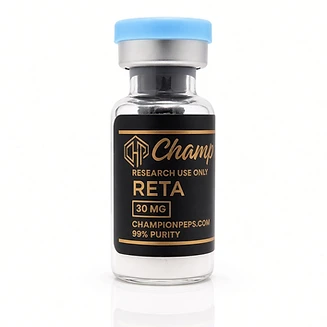
Research use only. Listing a supplier is not an endorsement of any protocol on this site, and nothing sold there is approved for human use.
Related protocols
View allLL-37 5mg
LL-37 is an antimicrobial cathelicidin peptide investigated in laboratory research for immune modulation, tissue repair, and pathogen defense.
View ProtocolTestoluten 20mg
An oral animal-derived testicular peptide extract explored in bioregulator research for male endocrine and reproductive support.
View ProtocolLarazotide 5mg
An oral, gut-restricted octapeptide tight-junction regulator researched for paracellular barrier permeability and celiac disease models.
View Protocol