Follistatin-344 1mg
Recombinant glycoprotein studied for myostatin inhibition, ActRIIB pathway modulation, and muscle hypertrophy in preclinical models.
Mechanism
Acts as a high-affinity antagonist against myostatin (GDF-8), activin A, and GDF-11, sequestering these ligands to inhibit ActRIIB-mediated negative growth signaling in skeletal muscle tissue.
Dosing
Preclinical and informal reference datasets most frequently cite an unvalidated experimental benchmark of 100 mcg administered subcutaneously once daily.
Reconstitution
Reconstituting a 1 mg vial with 2.0 mL of bacteriostatic water produces a final working concentration of 0.5 mg/mL (500 mcg/mL).
Storage
Keep the lyophilized product stored at -20°C shielded from light, and maintain the reconstituted solution between 2°C and 8°C for short durations without freezing.
Mix & measure Follistatin-344 1mg
Pre-filled with this protocol's recommended BAC water and documented starting dose — edit any field to run your own numbers.
Mix & measure Follistatin-344 1mg
Vial strength → BAC water → target dose
Total doses in vial: 10.0
U-100 syringe: 100 units = 1 mL
Reconstitution math only — not dosing advice. U-100 syringe: 100 units = 1 mL. Advanced calculator →
Dosing Chart
| Phase / Day(s) | Dose & Frequency | Volume (U-100 units / mL) |
|---|---|---|
| Lower End Reference | 50 mcg once daily | 10 units (0.10 mL) |
| Primary Documented Benchmark | 100 mcg once daily | 20 units (0.20 mL) |
| Upper Tier Reference | 200 mcg once daily | 40 units (0.40 mL) |
Reconstitution Steps
- 1
Thoroughly disinfect the rubber stoppers of both the Follistatin-344 vial and the bacteriostatic water container using fresh alcohol prep pads.
- 2
Draw 2.0 mL of bacteriostatic water using a sterile syringe.
- 3
Insert the needle into the peptide vial at a slant, letting the diluent trickle down the inner glass wall to prevent shearing the fragile protein structure.
- 4
Swirl the vial gently until the cake is fully solubilized; avoid vigorous shaking to prevent macromolecular aggregation.
- 5
Date the vial and immediately place it into refrigerated storage between 2°C and 8°C.
Supplies Needed


Peptide Vial
Lyophilized Follistatin-344 research material (1 mg)


Insulin Syringes (U-100)
Measuring and administering low-volume microgram research doses accurately


Bacteriostatic Water
Sterile diluent containing 0.9% benzyl alcohol used to reconstitute the peptide


Alcohol Swabs
Sanitizing vial septums and preparation surfaces to maintain sterile handling
Why researchers study it
Myostatin inhibition and muscular hypertrophy
Therapeutic models for muscular dystrophy and wasting pathologies
Mechanisms of body composition and tissue recovery
These describe what is being studied, not proven benefits, approved uses, or promised results.
Overview
Follistatin-344 is an engineered isoform of the naturally occurring autocrine glycoprotein follistatin. Originally identified as an inhibitor of follicle-stimulating hormone (FSH) release, follistatin serves as a broad antagonist across the transforming growth factor-beta (TGF-beta) superfamily. Within skeletal muscle biology, it functions primarily by binding with high affinity to myostatin (GDF-8), activin A, and growth differentiation factor 11 (GDF-11), thereby preventing these negative regulatory ligands from engaging the activin type IIB receptor complex. Preclinical investigations, particularly in murine and nonhuman primate systems, have demonstrated that neutralizing these inhibitory pathways can induce marked muscular hypertrophy, both via satellite cell proliferation and augmented cellular protein synthesis through downstream Smad3 and mTOR signaling. Clinical interest has predominantly centered around adeno-associated virus (AAV) gene delivery vectors targeting muscle-wasting disorders such as Becker muscular dystrophy and inclusion body myositis, rather than direct peptide administration. Outside of formal gene therapy trials, recombinant Follistatin-344 remains categorized strictly as an unapproved research compound. Injectable formulations lack validated human pharmacokinetic, bioavailability, or safety profiles, leaving current documented laboratory protocols reliant on informal preclinical literature and non-clinical reference estimates.
References
- 1.Lee & McPherron, PNAS, 2001 — Regulation of myostatin activity and muscle growth
- 2.Lee SJ, PLoS One, 2007 — Quadrupling muscle mass in mice via TGF-beta signaling inhibition
- 3.Kota et al., Science Translational Medicine, 2009 — Follistatin gene delivery in nonhuman primates
- 4.Mendell et al., Molecular Therapy, 2015 — Phase 1/2a follistatin gene therapy trial in Becker muscular dystrophy
- 5.Sidis et al., Endocrinology, 2006 — Biological activity and cell-surface binding of follistatin isoforms
- 6.Winbanks et al., Journal of Cell Biology, 2012 — Follistatin-mediated hypertrophy via Smad3 and mTOR regulation
- 7.Schneyer et al., Endocrinology, 2008 — Differential antagonism of activin, myostatin, and GDF-11 by follistatin variants
Supplies Needed
Suggested supplier
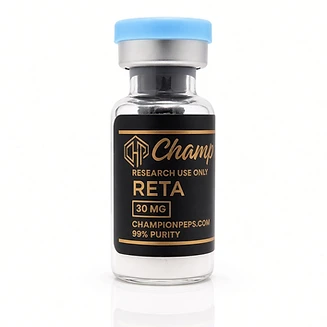
Research use only. Listing a supplier is not an endorsement of any protocol on this site, and nothing sold there is approved for human use.