BPC-157 + TB-500 20mg
A 1:1 dual-peptide blend combining BPC-157 and TB-500 targeting complementary pathways in preclinical soft-tissue and wound healing models.
Mechanism
Combines BPC-157-mediated angiogenesis and tissue cytoprotection with TB-500-driven actin sequestration to stimulate cellular migration and extracellular matrix repair.
Dosing
Standard laboratory protocols report an initial daily dose of 250 mcg of the total blend (~4 units on a U-100 syringe from a 20 mg vial).
Reconstitution
Reconstituting a 20 mg vial with 3.0 mL of bacteriostatic water yields an approximate concentration of 6,667 mcg/mL of total blend (~3,333 mcg/mL per peptide).
Storage
Keep lyophilized vials frozen at -20 °C protected from light, and store the reconstituted liquid refrigerated between 2–8 °C for up to 28 days without freezing.
Mix & measure BPC-157 + TB-500 20mg
Pre-filled with this protocol's recommended BAC water and documented starting dose — edit any field to run your own numbers.
Mix & measure BPC-157 + TB-500 20mg
Vial strength → BAC water → target dose
Common vial sizes
Label claim
Total doses in vial: 80.0
U-100 syringe: 100 units = 1 mL
Need supplies for this protocol?
Research-grade peptides, fast shipping, competitive pricing
Reconstitution math only — not dosing advice. U-100 syringe: 100 units = 1 mL. Advanced calculator →
Track my protocol
Log each dose, build a streak, and watch your progress through this protocol's schedule.
Dosing Chart
| Phase / Day(s) | Dose & Frequency | Volume (U-100 units / mL) |
|---|---|---|
| Standard · Weeks 1–4+ | 250 mcg (1× daily) | ~4 units (~0.038 mL) |
| Advanced · Weeks 1–4+ | 500 mcg (1× daily) | ~8 units (~0.075 mL) |
Reconstitution Steps
- 1
Draw 3.0 mL of sterile bacteriostatic water using a fresh syringe.
- 2
Introduce the diluent slowly down the glass container's inner wall to minimize foam formation.
- 3
Gently swirl or roll the vial until the lyophilized cake is fully dissolved without vigorous agitation.
- 4
Document the date and resultant concentration on the label, then place the vial in refrigerated containment at 2–8 °C away from light.
Supplies Needed


Peptide Vial
Lyophilized 20 mg combined blend vial (10 mg BPC-157 / 10 mg TB-500)


Insulin Syringes (U-100)
Calibrated 1 mL or lower syringes for micro-volume daily measurement and delivery


Bacteriostatic Water
3.0 mL required for sterile reconstitution and antimicrobial preservation


Alcohol Swabs
Sanitization of the rubber vial stopper and the target delivery site
Why researchers study it
Soft-tissue repair across tendons, ligaments, and muscle
Musculoskeletal injury recovery models
Preclinical inflammation modulation
Gastrointestinal and mucosal tissue cytoprotection
These describe what is being studied, not proven benefits, approved uses, or promised results.
Overview
The BPC-157 and TB-500 20mg blend incorporates two extensively researched regenerative peptides formulated in an equal 1:1 ratio (10mg of each constituent). BPC-157, a pentadecapeptide derived from human gastric juices, is widely documented in preclinical literature for supporting angiogenesis and accelerating structural healing in collagenous connective tissues such as tendons and ligaments. TB-500, an active synthetic derivative of Thymosin Beta-4, complements these processes by binding G-actin to drive cellular migration and tissue restructuring. By uniting these distinct physiological pathways within a single formulation, laboratory investigations frequently study potential synergistic mechanisms in cellular repair, inflammation attenuation, and extracellular matrix remodeling. While neither compound is approved for human clinical use, their combined administration allows researchers to evaluate coordinated regenerative responses in in vitro and in vivo models under fixed concentration ratios. Protocols involving this formulation must account for the locked proportionality of the components, ensuring that volumetric titrations deliver standardized doses of each constituent peptide simultaneously. Reconstitution with bacteriostatic water enables precise micro-dosing utilizing standard laboratory-grade low-volume syringes.
References
- 1.PubMed, Preclinical Literature — Stable gastric pentadecapeptide BPC-157: animal studies of tendon, ligament and muscle healing
- 2.PubMed, Preclinical Literature — BPC-157 and angiogenic / cytoprotective effects reported in rodent injury models
- 3.FASEB Journal — Biological activities of thymosin beta-4 mapped to active peptide sequences, including the TB-500 fragment
- 4.Journal of Investigative Dermatology — Thymosin beta-4 wound-healing mechanisms: angiogenesis, cell migration and granulation tissue
Supplies Needed
Suggested supplier
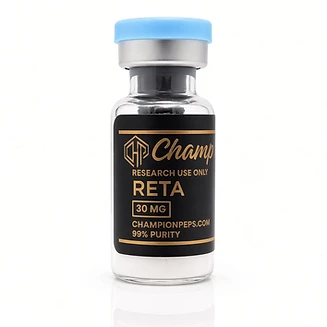
Research use only. Listing a supplier is not an endorsement of any protocol on this site, and nothing sold there is approved for human use.
Related protocols
View allSelank 5mg
Synthetic tuftsin-derived heptapeptide investigated for non-sedating anxiolysis, cognitive support, and neurotrophic modulation.
View ProtocolLibidon 20mg
An oral animal-derived prostate peptide bioregulator investigated for lower urinary tract function and prostate tissue homeostasis.
View ProtocolProstamax 20mg
Synthetic KEDP tetrapeptide bioregulator investigated for its hypothesized epigenetic modulation and support of prostate tissue.
View Protocol