AOD-9604 5mg
Synthetic C-terminal fragment of human growth hormone (177–191) investigated for adipose tissue lipolysis and lipid oxidation.
Mechanism
Stimulates adipocyte lipolysis and inhibits lipogenesis through receptor-independent fat mobilization pathways without activating growth hormone receptors or elevating systemic IGF-1 levels.
Dosing
Standard laboratory regimens evaluate doses between 250 mcg and 500 mcg administered once daily, typically assessed in a fasted state.
Reconstitution
Add 2.0 mL bacteriostatic water to achieve a final working concentration of 2.5 mg/mL.
Storage
Store lyophilized powder at −20 °C; once reconstituted with bacteriostatic water, refrigerate between 2 °C and 8 °C.
Mix & measure AOD-9604 5mg
Pre-filled with this protocol's recommended BAC water and documented starting dose — edit any field to run your own numbers.
Mix & measure AOD-9604 5mg
Vial strength → BAC water → target dose
Total doses in vial: 20.0
U-100 syringe: 100 units = 1 mL
Reconstitution math only — not dosing advice. U-100 syringe: 100 units = 1 mL. Advanced calculator →
Dosing Chart
| Phase / Day(s) | Dose & Frequency | Volume (U-100 units / mL) |
|---|---|---|
| Initiation (Days 1–14) | 250 mcg once daily | 10 units (0.10 mL) |
| Maintenance (Days 15+) | 500 mcg once daily | 20 units (0.20 mL) |
Reconstitution Steps
- 1
Remove the 5 mg AOD-9604 vial from −20 °C storage and allow it to equilibrate to room temperature for 10–15 minutes.
- 2
Disinfect the rubber stoppers of both the peptide vial and the bacteriostatic water vial using sterile alcohol swabs.
- 3
Draw exactly 2.0 mL of bacteriostatic water into a sterile syringe.
- 4
Insert the needle into the peptide vial at a 45-degree angle, allowing the diluent to run slowly down the inner glass wall to minimize agitation.
- 5
Gently swirl and roll the vial between your palms until the lyophilisate is completely dissolved and clear; avoid shaking.
- 6
Label the vial with the reconstitution date and working concentration (2.5 mg/mL), then immediately store at 2–8 °C.
Supplies Needed


Peptide Vial
Provides 5 mg of lyophilized AOD-9604 peptide, sufficient for approximately 10 to 20 doses depending on protocol design.


Insulin Syringes (U-100)
Used for precise measurement and administration of low-volume research doses, requiring 1 syringe per scheduled observation.


Bacteriostatic Water
Provides the sterile reconstitution solvent containing 0.9% benzyl alcohol, with 2.0 mL required to dissolve a single 5 mg vial.


Alcohol Swabs
Used to sanitize rubber vial septa and injection surfaces prior to handling, requiring 2 swabs per reconstitution or dose event.
Why researchers study it
Lipolysis & fat metabolism
Body composition regulation
Absence of IGF-1 elevation
Adipocyte lipid signaling
These describe what is being studied, not proven benefits, approved uses, or promised results.
Overview
AOD-9604 is a modified synthetic peptide derived from the carboxyl-terminal region of human growth hormone, specifically residues 177 through 191 with an added tyrosine residue for molecular stability. Developed originally in the late 1990s as a targeted anti-obesity agent, the peptide was designed to isolate the lipolytic and anti-lipogenic properties of natural growth hormone while avoiding its systemic endocrine consequences. Unlike full-length growth hormone, AOD-9604 does not stimulate insulin-like growth factor 1 production, nor does it adversely interfere with systemic glucose metabolism or induce peripheral insulin resistance. At the molecular level, preclinical studies demonstrate that AOD-9604 enhances lipolysis and suppresses de novo lipogenesis in isolated adipocytes through receptor-independent pathways, modulating enzymatic breakdown of intracellular triglycerides without activating classic growth hormone receptors. In animal models of diet-induced and genetic obesity, administration of the peptide produced consistent reductions in adipose pad mass and increased fatty acid oxidation without altering lean muscle tissue or linear growth markers. Clinical evaluation advanced through human Phase IIb trials to explore oral and subcutaneous regimens for weight reduction. Although the peptide established a favorable safety profile and demonstrated acceptable tolerability without generating neutralizing antibodies, clinical development was discontinued due to inconsistent human weight-loss efficacy compared to preclinical endpoints. Today, AOD-9604 remains an active reference compound in academic and laboratory research focused on adipocyte lipid kinetics, signaling pathways, and comparative metabolic studies.
References
- 1.Heffernan M et al., Endocrinology, 2001 — Effects of hGH and its lipolytic fragment AOD9604 on lipid metabolism and weight loss in obese rodent models
- 2.Ng FM et al., Journal of Endocrinology, 2000 — Metabolic actions of synthetic C-terminal human growth hormone fragment (AOD9604) without altering insulin sensitivity
- 3.Stier H et al., Journal of Endocrinology and Metabolism, 2013 — Safety, tolerability, and metabolic profile of AOD9604 in clinical evaluation
- 4.Moré MI and Kenley D, Journal of Endocrinology and Metabolism, 2014 — Safety and metabolism of AOD9604 as a novel nutraceutical compound
Supplies Needed
Suggested supplier
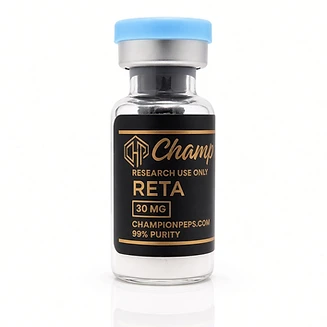
Research use only. Listing a supplier is not an endorsement of any protocol on this site, and nothing sold there is approved for human use.
Related protocols
View allProstamax 20mg
Synthetic KEDP tetrapeptide bioregulator investigated for its hypothesized epigenetic modulation and support of prostate tissue.
View ProtocolTeduglutide 5mg
Teduglutide is a degradation-resistant GLP-2 analog studied for mucosal growth and intestinal adaptation in short bowel syndrome models.
View ProtocolOxytocin 5mg
Endogenous nonapeptide hormone and oxytocin-receptor agonist investigated for neuroendocrine signaling, bonding, and stress response.
View Protocol