Acetyl Tetrapeptide-3 1-5% (blend)
Topical biomimetic tetrapeptide studied for follicular anchoring and extracellular matrix support in cosmetic hair research.
Mechanism
Stimulates the synthesis of dermal extracellular matrix components, specifically type III collagen and laminin, to reinforce follicle anchorage within the dermis.
Dosing
Standard laboratory and clinical formulation protocols investigate finished topical serums applied at 1 mL to the target scalp area twice daily.
Reconstitution
As a purely topical cosmetic compound, raw powder is blended directly into a suitable liquid or serum base during the cool-down phase rather than reconstituted via bacteriostatic water injection protocols.
Storage
Store the lyophilized pure powder tightly sealed in a cool, dry environment protected from light, and keep prepared aqueous serum mixtures refrigerated with an appropriate preservative.
Mix & measure Acetyl Tetrapeptide-3 1-5% (blend)
Pre-filled with this protocol's recommended BAC water and documented starting dose — edit any field to run your own numbers.
Mix & measure Acetyl Tetrapeptide-3 1-5% (blend)
Vial strength → BAC water → target dose
Total doses in vial: —
U-100 syringe: 100 units = 1 mL
Reconstitution math only — not dosing advice. U-100 syringe: 100 units = 1 mL. Advanced calculator →
Dosing Chart
| Phase / Day(s) | Dose & Frequency | Volume (U-100 units / mL) |
|---|---|---|
| In-Vitro Benchmark | 0.51 ppm (0.000051% active) | N/A (0.051 mg per 100 g batch) |
| Low Formulation | 10 ppm (0.001% active) | N/A (1.0 mg per 100 g batch) |
| Medium Formulation | 100 ppm (0.01% active) | N/A (10.0 mg per 100 g batch) |
| High Formulation | 1,000 ppm (0.1% active) | N/A (100.0 mg per 100 g batch) |
Reconstitution Steps
- 1
Calculate the target peptide mass required for the chosen serum batch volume based on intended active concentration.
- 2
Prepare a measured aqueous vehicle or water-based cosmetic cosmetic serum base.
- 3
Dissolve pure peptide powder into an aliquot of purified water or a compatible solvent such as DMSO to establish a manageable stock solution.
- 4
Blend the stock solution into the formulation base during the cool-down mixing phase, avoiding excessive heat exposure.
- 5
Integrate an appropriate cosmetic preservative system to prevent microbial proliferation within the finished aqueous serum.
Supplies Needed


Peptide Vial
Provides pure, research-grade Acetyl Tetrapeptide-3 powder for laboratory formulation.


Insulin Syringes (U-100)
Not utilized for topical peptide preparations; precision pipettes are required instead.


Bacteriostatic Water
Not typically used for topical serum compounding; sterile deionized water or buffered vehicles are standard.


Alcohol Swabs
Used to sanitize laboratory measuring utensils, pipettes, and compounding container surfaces.
Why researchers study it
Investigation of follicular anchoring and ECM synthesis
Evaluation of multi-ingredient cosmetic hair density complexes
Comparative research against conventional topical agents like minoxidil
Exploration of dermal-epidermal junction integrity under corticoid stress
These describe what is being studied, not proven benefits, approved uses, or promised results.
Overview
Acetyl Tetrapeptide-3 (Ac-Lys-Gly-His-Lys-NH2) is a specialized biomimetic peptide derived from signal peptide sequences, widely referenced in cosmetic scalp formulations and commercial hair blends such as Capixyl. Although its primary structure incorporates the GHK amino acid sequence, it lacks copper binding and should not be confused with GHK-Cu complexes. In topical science, it is frequently combined with red clover extract (biochanin A) to explore complementary biological targets related to follicular vitality. Formulation documentation distinguishes sharply between the pre-diluted commercial liquid complex (Capixyl), conventionally incorporated at 1% to 5% by volume, and pure unadulterated peptide powder. Because the exact proportion of raw peptide within commercial complexes remains proprietary, translating trade solution use-levels directly to pure active mass is not mathematically verified. Laboratory testing and cellular assays instead evaluate micro-concentrations to model follicular matrix stability. In-vitro data highlight the peptide's ability to stimulate structural matrix elements, including type III collagen and laminin, within human dermal fibroblasts. Clinical investigation remains largely confined to multi-ingredient preparations rather than monotherapy trials, making isolated quantitative effects on follicle preservation an active area of ongoing dermatological inquiry.
References
- 1.PubChem, NCBI, 2026 — CID 11752568: Acetyl tetrapeptide-3 chemical profile and formula
- 2.Cayman Chemical, Product Specification, 2026 — Acetyl Tetrapeptide-3 in vitro collagen III and laminin modulation
- 3.Lueangarun S, Panchaprateep R., J Clin Aesthet Dermatol, 2020 — An herbal extract combination versus 3% minoxidil solution for androgenetic alopecia
- 4.Lucas Meyer Cosmetics, Technical Datasheet, 2026 — Capixyl hair care active recommended application levels
Supplies Needed
Suggested supplier
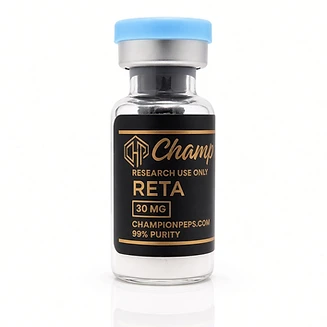
Research use only. Listing a supplier is not an endorsement of any protocol on this site, and nothing sold there is approved for human use.