VIP 5mg
A 28-amino-acid neuropeptide acting on VPAC receptors, studied for mucosal integrity, systemic inflammation, and pulmonary tissue signaling.
Mechanism
VIP binds to the VPAC1 and VPAC2 receptors, upregulating intracellular cAMP to mediate vasodilation, intestinal fluid transport, and anti-inflammatory signaling cascades.
Dosing
Standard experimental literature identifies a conservative starting research reference of 25 mcg per administration.
Reconstitution
Reconstitution of 5 mg of lyophilized powder with 2.0 mL of bacteriostatic water produces an active research solution concentrated at 2,500 mcg/mL.
Storage
Keep lyophilized vials frozen or refrigerated shielded from light, and maintain the reconstituted liquid between 2–8°C for no more than 28 days.
Mix & measure VIP 5mg
Pre-filled with this protocol's recommended BAC water and documented starting dose — edit any field to run your own numbers.
Mix & measure VIP 5mg
Vial strength → BAC water → target dose
Total doses in vial: 200.0
U-100 syringe: 100 units = 1 mL
Reconstitution math only — not dosing advice. U-100 syringe: 100 units = 1 mL. Advanced calculator →
Dosing Chart
| Phase / Day(s) | Dose & Frequency | Volume (U-100 units / mL) |
|---|---|---|
| Conservative reference | 25 mcg | 1 unit (0.01 mL) |
| Common reference | 50 mcg | 2 units (0.02 mL) |
| Upper reference | 100 mcg | 4 units (0.04 mL) |
| Community route (CIRS) | ~50 mcg intranasal, several times daily | Compounded spray (non-syringe) |
Reconstitution Steps
- 1
Disinfect the rubber stoppers of both the VIP vial and diluent vial thoroughly using sterile alcohol swabs and permit them to air-dry completely.
- 2
Draw exactly 2.0 mL of bacteriostatic water into a clean reconstitution syringe.
- 3
Carefully introduce the diluent into the VIP vial, directing the fluid stream down the interior glass wall to avoid agitating the fragile peptide cake.
- 4
Gently rotate and swirl the vial until the lyophilized contents are completely dissolved without creating foam or shaking vigorously.
- 5
Affix the date of reconstitution onto the vial and store immediately in a dark refrigerator at 2–8°C.
Supplies Needed


Peptide Vial
Lyophilized VIP 5 mg container holding active research compound.


Insulin Syringes (U-100)
Precision delivery tools required to accurately measure ultra-low microliter volumes.


Bacteriostatic Water
Preserved sterile diluent providing 2.0 mL of solvent per vial.


Alcohol Swabs
Antiseptic wipes used to sterilize vial stoppers and injection equipment.
Why researchers study it
Ultra-short plasma half-life pharmacokinetics
Alveolar type II cell and pulmonary signaling
CIRS and chronic inflammatory research frameworks
VPAC receptor cAMP regulation and vasodilation
These describe what is being studied, not proven benefits, approved uses, or promised results.
Overview
Vasoactive Intestinal Peptide (VIP), also known synthetically as aviptadil, is an endogenous 28-amino-acid regulatory neuropeptide originally identified for its potent smooth-muscle relaxing and vasodilatory characteristics. Within systemic biology, VIP binds to class-B G-protein coupled receptors—primarily VPAC1 and VPAC2—initiating downstream intracellular cyclic adenosine monophosphate (cAMP) cascades across gastrointestinal, pulmonary, and vascular tissues. In investigative biology, VIP has received substantial attention for its modulation of mucosal fluid secretion, glycemic balance, and alveolar surfactant dynamics. Its role in dampening proinflammatory cascades has made it an active molecule of interest within cellular models of pulmonary injury and clinical research frameworks exploring chronic inflammatory response syndromes. A key defining pharmacological metric of VIP is an extraordinarily rapid metabolic clearance, possessing a plasma half-life of roughly sixty seconds in vivo. Consequently, preclinical and human studies frequently contrast systemic infusions with localized mucosal administration, making precise dose calibration essential in experimental setups.
References
- 1.Iwasaki et al., F1000Research, 2019 — Recent advances in vasoactive intestinal peptide physiology and pathophysiology: focus on the gastrointestinal system
- 2.Langer & Latek, Frontiers in Endocrinology, 2021 — Drug Repositioning For Allosteric Modulation of VIP and PACAP Receptors
- 3.Brown et al., The Lancet Respiratory Medicine, 2023 — Intravenous aviptadil and remdesivir for treatment of COVID-19-associated hypoxaemic respiratory failure in the USA (TESICO)
- 4.Domschke et al., Gut, 1978 — Vasoactive intestinal peptide in man: pharmacokinetics, metabolic and circulatory effects
- 5.NRx Pharmaceuticals, Company Release, 2022 — FDA Declines Emergency Use Authorization for ZYESAMI (aviptadil)
- 6.Scottish Medicines Consortium, Advice Document, 2017 — aviptadil/phentolamine mesilate (Invicorp) advice
- 7.Youssef et al., Critical Care Medicine, 2022 — The Use of IV Vasoactive Intestinal Peptide (Aviptadil) in Patients With Critical COVID-19 Respiratory Failure
Supplies Needed
Suggested supplier
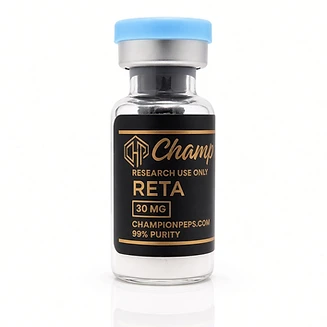
Research use only. Listing a supplier is not an endorsement of any protocol on this site, and nothing sold there is approved for human use.
Related protocols
View allDSIP 5mg
Endogenous nonapeptide examined in experimental protocols for slow-wave sleep architecture, circadian rhythm modulation, and stress response.
View ProtocolSemax 10mg
A synthetic heptapeptide ACTH(4-10) derivative investigated in preclinical models for neurotrophic signaling, focus, and neuroprotection.
View ProtocolMGF 5mg
Mechano Growth Factor (IGF-1Ec) splice variant investigated in preclinical literature for myogenic satellite cell activation and localized repair.
View Protocol