Semaglutide 10mg
A long-acting GLP-1 receptor agonist investigated for metabolic regulation, glycemic parameters, and appetite suppression in laboratory research.
Mechanism
Semaglutide functions as a sustained GLP-1 receptor agonist, augmenting glucose-mediated insulin secretion, suppressing postprandial glucagon release, and delaying gastric emptying to lower caloric consumption.
Dosing
Standard experimental sequences begin at a conservative weekly dose of 0.25 mg administered via subcutaneous injection.
Reconstitution
Reconstituting a 10 mg vial with 3.0 mL of bacteriostatic water yields an approximate working concentration of 3.33 mg/mL.
Storage
Store the unmixed lyophilized powder at or below −20 °C (−4 °F); following reconstitution, keep refrigerated at 2–8 °C (35.6–46.4 °F) protected from light and consume within 2 to 4 weeks.
Mix & measure Semaglutide 10mg
Pre-filled with this protocol's recommended BAC water and documented starting dose — edit any field to run your own numbers.
Mix & measure Semaglutide 10mg
Vial strength → BAC water → target dose
Total doses in vial: 40.0
U-100 syringe: 100 units = 1 mL
Reconstitution math only — not dosing advice. U-100 syringe: 100 units = 1 mL. Advanced calculator →
Dosing Chart
| Phase / Day(s) | Dose & Frequency | Volume (U-100 units / mL) |
|---|---|---|
| Weeks 1–4 | 0.25 mg once weekly | 7.5 units (0.075 mL) |
| Weeks 5–8 | 0.5 mg once weekly | 15 units (0.15 mL) |
| Weeks 9–12 | 1.0 mg once weekly | 30 units (0.30 mL) |
| Weeks 13–16 | 1.7 mg once weekly | 51 units (0.51 mL) |
| Weeks 17+ (Maintenance) | 2.4 mg once weekly | 72 units (0.72 mL) |
Reconstitution Steps
- 1
Aseptically draw 3.0 mL of bacteriostatic water into a sterile syringe.
- 2
Introduce the needle through the cleansed stopper and dispense the diluent slowly down the glass wall of the vial to minimize agitation.
- 3
Gently rotate and swirl the vial until the lyophilized cake has dissolved entirely into a clear solution; avoid shaking.
- 4
Record the date of reconstitution and transfer the vial into refrigeration at 2–8 °C (35.6–46.4 °F) shielded from direct light.
Supplies Needed


Peptide Vial
Provides 10 mg of lyophilized Semaglutide for metabolic and incretin signaling study.


Insulin Syringes (U-100)
Utilized for precise volumetric drawing and subcutaneous delivery of once-weekly doses.


Bacteriostatic Water
Provides 3.0 mL of sterile, preserved diluent to reconstitute the lyophilized cake.


Alcohol Swabs
Used to maintain aseptic conditions on vial septa and injection surfaces.
Why researchers study it
Weight management and adiposity reduction models
Glycemic control and glucose-dependent insulin response
Appetite regulation and gastric emptying kinetics
Cardiovascular risk reduction pathways
These describe what is being studied, not proven benefits, approved uses, or promised results.
Overview
Semaglutide is a synthetic glucagon-like peptide-1 (GLP-1) receptor agonist engineered to offer prolonged biological activity. By mimicking endogenous incretin signaling pathways, it stimulates glucose-dependent insulin secretion, dampens inappropriate glucagon release, and reduces appetite signaling within central metabolic pathways. Its structural modifications impart significant resistance to dipeptidyl peptidase-4 (DPP-4) enzymatic breakdown, granting an extended plasma elimination half-life of roughly six days. In preclinical research and clinical models of obesity and type 2 diabetes, semaglutide administration reliably leads to delayed gastric emptying and notable alterations in feeding behavior. Long-term experimental frameworks emphasize its capacity to attenuate adiposity and enhance peripheral insulin sensitivity without precipitating significant hypoglycemia under normal glycemic parameters. Research protocols standardly incorporate conservative, multi-week titration trajectories to balance systemic tolerability. Because of its steady pharmacokinetic profile, once-weekly administration schedules are the established benchmark across contemporary metabolic research investigations.
References
- 1.Wilding et al., New England Journal of Medicine, 2021 — Once-weekly semaglutide 2.4 mg in adults with overweight or obesity (STEP 1)
- 2.Davies et al., The Lancet, 2023 — Semaglutide in type 2 diabetes trial outcomes
- 3.Metabolites (PMC), 2025 — Comprehensive review of semaglutide mechanism and clinical trials
- 4.Nature Reviews Endocrinology, 2024 — Clinical landscape review of GLP-1 receptor agonists in metabolic disease
Supplies Needed
Suggested supplier
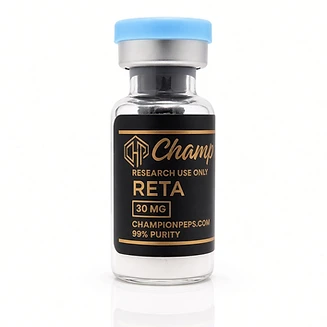
Research use only. Listing a supplier is not an endorsement of any protocol on this site, and nothing sold there is approved for human use.
Related protocols
View allTeriparatide 10mg
Synthetic bioactive fragment of parathyroid hormone (1-34) investigated for its distinct bone-building anabolic properties.
View ProtocolL-Carnitine 200mg
An amino-acid derivative researched for mitochondrial fatty-acid shuttling, metabolic energy pathways, and exercise recovery dynamics.
View ProtocolAHK-Cu 50mg
A copper-bound tripeptide studied in vitro for hair follicle stimulation, cellular proliferation, and cosmetic tissue regeneration.
View Protocol