Eloralintide 10mg
Investigational once-weekly selective amylin-1 receptor agonist studied for body weight reduction and appetite regulation in clinical models.
Mechanism
Eloralintide functions as a long-acting selective amylin 1 receptor agonist that slows gastric transit and enhances central satiety mechanisms via albumin-mediated extended pharmacokinetics.
Dosing
Published trial frameworks initiate weekly evaluation at a documented starting baseline of 1 mg delivered subcutaneously.
Reconstitution
Reconstitution of a 10 mg vial with 1 mL of bacteriostatic water produces an experimental working concentration of 10 mg/mL.
Storage
Store the lyophilized peptide refrigerated protected from light, and maintain the reconstituted solution between 2°C and 8°C without freezing.
Mix & measure Eloralintide 10mg
Pre-filled with this protocol's recommended BAC water and documented starting dose — edit any field to run your own numbers.
Mix & measure Eloralintide 10mg
Vial strength → BAC water → target dose
Total doses in vial: 10.0
U-100 syringe: 100 units = 1 mL
Reconstitution math only — not dosing advice. U-100 syringe: 100 units = 1 mL. Advanced calculator →
Dosing Chart
| Phase / Day(s) | Dose & Frequency | Volume (U-100 units / mL) |
|---|---|---|
| Initial / Starting | 1 mg once weekly | 0.10 mL (10 units) |
| Intermediate Titration | 3 mg once weekly | 0.30 mL (30 units) |
| High Target | 6 mg once weekly | 0.60 mL (60 units) |
| Maximum Studied Target | 9 mg once weekly | 0.90 mL (90 units) |
Reconstitution Steps
- 1
Disinfect the rubber septa of both the eloralintide vial and bacteriostatic water vial using sterile alcohol prep pads, allowing them to air dry.
- 2
Aspirate exactly 1.0 mL of bacteriostatic water using a sterile syringe.
- 3
Introduce the needle into the peptide vial and steadily discharge the diluent against the inner glass wall to prevent shearing the peptide.
- 4
Allow the mixture to stand undisturbed for approximately 30 seconds to initiate dissolution.
- 5
Swirl or rotate the vial gently between the palms until the lyophilized cake is fully dissolved, avoiding vigorous agitation.
- 6
Visually confirm the solution is clear and particle-free before placing in refrigerated storage between 2°C and 8°C.
Supplies Needed


Peptide Vial
Lyophilized eloralintide container holding 10 mg of active research compound.


Insulin Syringes (U-100)
Calibrated 1 mL syringes utilized to precisely draw and measure fractional research volumes.


Bacteriostatic Water
Sterile diluent with preservative used to reconstitute the peptide cake into liquid solution.


Alcohol Swabs
Topical antiseptic pads used to sanitize vial stoppers and work surfaces prior to handling.
Why researchers study it
Investigation of selective AMY1R agonism versus non-selective dual receptor mechanisms
Evaluation of dose-dependent body mass reduction and metabolic parameters
Exploration of gastrointestinal tolerability and slow-titration mitigation protocols
Assessment of lipid-conjugated peptide pharmacokinetics supporting weekly regimens
These describe what is being studied, not proven benefits, approved uses, or promised results.
Overview
Eloralintide (LY3841136) is an investigational, long-acting synthetic peptide engineered to selectively target the amylin receptor system. Developed primarily for chronic weight management models, it features structural modifications including a C20 fatty-diacid side chain that promotes reversible albumin binding, extending its pharmacokinetic half-life to facilitate once-weekly experimental schedules. Preclinical and cellular models show marked selectivity toward the human amylin 1 receptor (AMY1R) over calcitonin and related receptors, differentiating it from earlier non-selective amylin mimetics. In clinical research settings, including multi-dose Phase 2 trials, eloralintide demonstrated dose-dependent reductions in body weight over extended intervention windows. Investigators have observed substantial reductions in adiposity, accompanied by gastrointestinal tolerability profiles typical of the amylin analog class. Titration schedules have been documented in trials to mitigate gastrointestinal side effects such as nausea and fatigue. This documentation reflects experimental protocols and published research parameters only. Eloralintide remains an unapproved investigational agent intended strictly for controlled laboratory research and in vitro investigations, and research-grade syntheses are not authorized for clinical or human administration.
References
- 1.Billings et al., The Lancet, 2025 — Eloralintide 48-week phase 2 randomized trial in obesity assessing 1 to 9 mg weekly dosing
- 2.Briere et al., Molecular Metabolism, 2025 — Discovery, AMY1R selectivity, albumin-binding diacid design, and rodent weight loss models
- 3.Bhattachar et al., Diabetes, Obesity & Metabolism, 2026 — Phase 1 ascending-dose trial characterizing pharmacokinetics and weight outcomes
- 4.Bailey, Flatt & Conlon, Peptides, 2026 — Comprehensive review of novel long-acting amylin analogues in metabolic disease
- 5.Kamrul-Hasan et al., Endocrinology, Diabetes & Metabolism, 2026 — Network meta-analysis evaluating comparative efficacy of amylin-based agents
- 6.Alhazmi & le Roux, Diabetes, Obesity & Metabolism, 2026 — Narrative overview of amylin physiology and clinical-stage analog development
Supplies Needed
Suggested supplier
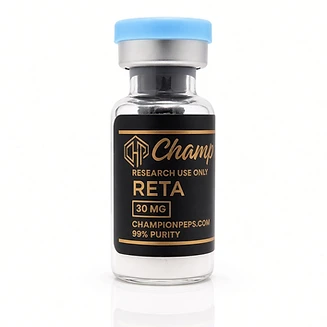
Research use only. Listing a supplier is not an endorsement of any protocol on this site, and nothing sold there is approved for human use.
Related protocols
View allEnclomiphene 25mg
An oral non-steroidal SERM investigated for hypothalamic-pituitary-gonadal axis stimulation and endogenous testosterone production.
View ProtocolPancragen 20mg
Synthetic pancreatic tetrapeptide (KEDW) studied in preclinical models for pancreatic cell differentiation and glucose regulation.
View ProtocolGlutathione 600mg
A research-focused master antioxidant tripeptide protocol detailing the reconstitution and subcutaneous handling of a 600 mg vial.
View Protocol