Cartalax 20mg
Synthetic short bioregulator tripeptide (AED) explored in vitro for cartilage integrity, collagen synthesis, and cellular aging.
Mechanism
Cartalax (AED) is theorized to penetrate cell membranes to interact with epigenetic regulatory regions, thereby modulating gene expression involved in collagen synthesis and chondrocyte differentiation.
Dosing
Preclinical documentation references an initial protocol dose of 2,000 mcg administered once daily.
Reconstitution
Reconstituting a 20 mg vial with 3.0 mL of bacteriostatic water results in a final working concentration of approximately 6.67 mg/mL.
Storage
Store the unmixed lyophilized powder at -20 °C, and maintain the reconstituted liquid at 2–8 °C protected from light without refreezing.
Mix & measure Cartalax 20mg
Pre-filled with this protocol's recommended BAC water and documented starting dose — edit any field to run your own numbers.
Mix & measure Cartalax 20mg
Vial strength → BAC water → target dose
Total doses in vial: 10.0
U-100 syringe: 100 units = 1 mL
Reconstitution math only — not dosing advice. U-100 syringe: 100 units = 1 mL. Advanced calculator →
Dosing Chart
| Phase / Day(s) | Dose & Frequency | Volume (U-100 units / mL) |
|---|---|---|
| Weeks 1–2 | 2,000 mcg (1× daily) | ~30 units (0.30 mL) |
| Weeks 3–4 | 3,000 mcg (1× daily) | ~45 units (0.45 mL) |
| Weeks 5–6 | 4,000 mcg (1× daily) | ~60 units (0.60 mL) |
| Weeks 7–12 | 5,000 mcg (1× daily) | ~75 units (0.75 mL) |
Reconstitution Steps
- 1
Draw 3.0 mL of bacteriostatic water into a sterile mixing syringe.
- 2
Aim the needle against the inner glass wall of the 20 mg Cartalax vial and dispense the diluent slowly to prevent agitation.
- 3
Gently rotate and roll the vial between your palms until the powder fully dissolves, avoiding vigorous shaking.
- 4
Record the mixing date and reconstituted concentration (~6.67 mg/mL) on the label, then store at 2–8 °C away from light.
Supplies Needed


Peptide Vial
Contains 20 mg of lyophilized Cartalax for experimental preparation.


Insulin Syringes (U-100)
Used for precise measurement and daily experimental administration.


Bacteriostatic Water
Sterile diluent containing 0.9% benzyl alcohol used to reconstitute the peptide cake.


Alcohol Swabs
Used to sanitize the vial rubber stopper and injection site prior to use.
Why researchers study it
Cartilage and connective tissue regeneration models
Joint degradation and musculoskeletal senescence
Connective tissue anti-inflammatory pathway signaling
Sirtuin-mediated cellular longevity and geroprotection
These describe what is being studied, not proven benefits, approved uses, or promised results.
Overview
Cartalax is a synthetic short-chain bioregulatory tripeptide composed of the amino acid sequence Ala-Glu-Asp (AED). Classified among the synthetic cytogen family originally conceptualized by Khavinson, it was designed to mimic endogenous signaling factors associated with cartilage and surrounding connective tissues. Unlike larger structural proteins, ultrashort peptides are hypothesized to engage directly with nuclear machinery to influence transcription pathways relevant to tissue homeostasis. In experimental models, Cartalax is examined primarily for its interactions with chondrocytes and dermal fibroblasts. Cell-culture assays suggest that exposure to the AED motif correlates with upregulated Type I collagen expression and activation of longevity-associated sirtuin signaling pathways (notably SIRT-1 and SIRT-6). These cellular responses have positioned the peptide as a candidate molecule for investigating structural extracellular matrix stability and the modulation of degenerative joint pathways in preclinical settings. Despite active interest in peptide-based tissue engineering and musculoskeletal regeneration, Cartalax has not undergone formal clinical trial evaluation, holds no regulatory approvals, and remains restricted strictly to experimental in vitro and animal research. Scientific literature continues to evaluate its cellular transport via peptide transporters and its potential role in cartilage regeneration frameworks.
References
- 1.International Journal of Molecular Sciences, 2023 — Peptide regulation of chondrogenic stem cell differentiation
- 2.Bulletin of Experimental Biology & Medicine, 2020 — AED peptide increased SIRT-1/-6 and collagen I synthesis in aging human fibroblasts
- 3.Molecules, 2021 — Systematic review: short peptides regulate gene expression and cellular differentiation
- 4.International Journal of Molecular Sciences, 2022 — Transport of biologically active ultrashort peptides via POT/LAT transporters
- 5.Frontiers in Bioengineering & Biotechnology, 2023 — Functional peptide motifs for cartilage tissue engineering
Supplies Needed
Suggested supplier
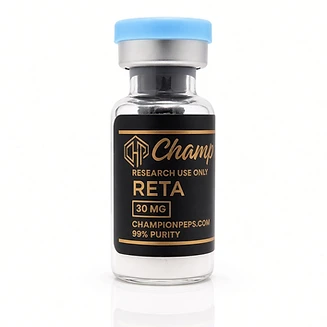
Research use only. Listing a supplier is not an endorsement of any protocol on this site, and nothing sold there is approved for human use.
Related protocols
View allIGF-1 DES 1mg
A truncated, high-affinity IGF-1 variant lacking three N-terminal residues, investigated for potent localized cellular hypertrophy.
View ProtocolChonluten 20mg
Chonluten is a synthetic tripeptide bioregulator investigated for its tissue-specific role in modulating bronchopulmonary gene expression.
View ProtocolGHRP-2 5mg
Synthetic hexapeptide secretagogue studied for pulsatile growth hormone induction via ghrelin receptor pathway agonism.
View Protocol