Adipotide 5mg
Experimental proapoptotic peptide engineered to target prohibitin in adipose vasculature, studied preclinically for fat reduction.
Mechanism
Binds specifically to prohibitin on white fat endothelial cells via a homing peptide to selectively deliver a proapoptotic sequence that triggers mitochondrial membrane lysis and cell death.
Dosing
There is no validated clinical protocol, though laboratory reference calculations commonly illustrate a hypothetical starting benchmark of 0.5 mg.
Reconstitution
Adding 2 mL of bacteriostatic water to a 5 mg vial produces a reference concentration of 2.5 mg/mL.
Storage
Store unmixed lyophilized vials protected from light, and keep reconstituted solutions refrigerated at 2 to 8°C without freezing.
Mix & measure Adipotide 5mg
Pre-filled with this protocol's recommended BAC water and documented starting dose — edit any field to run your own numbers.
Mix & measure Adipotide 5mg
Vial strength → BAC water → target dose
Total doses in vial: 10.0
U-100 syringe: 100 units = 1 mL
Reconstitution math only — not dosing advice. U-100 syringe: 100 units = 1 mL. Advanced calculator →
Dosing Chart
| Phase / Day(s) | Dose & Frequency | Volume (U-100 units / mL) |
|---|---|---|
| Reference Low | 0.5 mg (Reference only) | 20 units (0.20 mL) |
| Reference Moderate | 1.0 mg (Reference only) | 40 units (0.40 mL) |
| Reference High | 2.5 mg (Reference only) | 100 units (1.00 mL) |
| Preclinical Animal Phase | Weight-based (mg/kg, animal-only) | Varies by subject weight |
Reconstitution Steps
- 1
Clean the rubber stoppers of both the Adipotide vial and the bacteriostatic water vial using sterile alcohol pads and allow them to air-dry completely.
- 2
Draw 2.0 mL of bacteriostatic water into a sterile syringe.
- 3
Insert the needle into the peptide vial at an angle, directing the stream against the interior glass wall rather than directly onto the lyophilized powder.
- 4
Allow the diluent to wet the powder naturally, then roll the vial gently between the palms until fully dissolved, taking care not to shake vigorously.
- 5
Visually inspect the solution to confirm it is clear and completely particle-free, then place it in refrigerated storage between 2 and 8°C.
Supplies Needed


Peptide Vial
Lyophilized Adipotide (5 mg) research compound container


Insulin Syringes (U-100)
Low-volume 1 mL/100-unit syringes for precise laboratory measurement


Bacteriostatic Water
Preserved sterile diluent (2 mL) used to rehydrate the lyophilized powder


Alcohol Swabs
Antiseptic wipes for sanitizing vial septums prior to needle puncture
Why researchers study it
Targeted vascular ablation of white adipose tissue
Preclinical models of rapid obesity reversal
Mechanisms of peptide-induced proximal tubule nephrotoxicity
Appetite regulation versus direct adipocyte resorption
These describe what is being studied, not proven benefits, approved uses, or promised results.
Overview
Adipotide (also known as FTPP) is an experimental peptidomimetic designed to specifically target the vascular supply of white adipose tissue. Synthesized as a fusion compound, it links a targeted homing sequence directly to a proapoptotic domain. Preclinical investigations in murine and non-human primate models demonstrated rapid reductions in white adipose tissue volume alongside improvements in systemic insulin sensitivity. Despite prominent preclinical weight loss findings, the peptide's development has been fundamentally constrained by severe adverse effects. In non-human primate models, administration at pharmacologically effective levels consistently produced dose-dependent renal proximal tubule dysfunction. Furthermore, scientific debate continues regarding whether the recorded weight reduction stemmed primarily from vascular ablation or secondary appetite suppression. Adipotide remains strictly an investigational biochemical tool with no approved clinical applications. Lacking completed human safety trials, pharmacokinetic benchmarks, or validated human dosing regimens, it serves exclusively as an educational reference regarding targeted vascular apoptosis and related renal toxicity.
References
- 1.Kolonin et al., Nature Medicine, 2004 — Reversal of obesity by targeted ablation of adipose tissue
- 2.Barnhart et al., Science Translational Medicine, 2011 — A peptidomimetic targeting white fat causes weight loss and improved insulin resistance in obese monkeys
- 3.Kim et al., Diabetes, 2012 — Rapid and weight-independent improvement of glucose tolerance induced by a peptide designed to elicit apoptosis in adipose tissue endothelium
- 4.Criscione, Science Translational Medicine, 2012 — Comment on the obese-monkey adipotide study
- 5.Hossen et al., Journal of Controlled Release, 2013 — A comparative study between nanoparticle-targeted therapeutics and bioconjugates as obesity medication
Supplies Needed
Suggested supplier
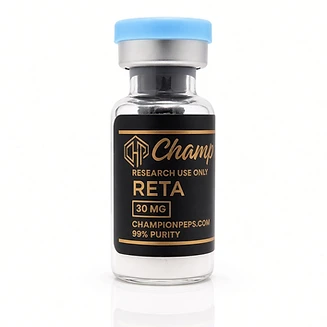
Research use only. Listing a supplier is not an endorsement of any protocol on this site, and nothing sold there is approved for human use.
Related protocols
View allVilon 20mg
Synthetic thymus-derived dipeptide bioregulator (Lys-Glu) investigated in preclinical models for immune signaling and gene modulation.
View ProtocolHMG 75iu
Human menopausal gonadotropin delivering balanced FSH and LH activity for experimental endocrine and reproductive models.
View ProtocolHexarelin 5mg
Potent synthetic hexapeptide growth hormone secretagogue investigated for pituitary stimulation, desensitization kinetics, and CD36 binding.
View Protocol