5-Amino-1MQ 50mg
Small-molecule NNMT inhibitor studied for cellular energy regulation, adipocyte remodeling, and metabolic research.
Mechanism
Selectively inhibits nicotinamide N-methyltransferase (NNMT) to elevate intracellular NAD+ availability and stimulate metabolic energy expenditure.
Dosing
Preclinical laboratory models document daily dosing ranging from 20 mg to 50 mg per subject.
Reconstitution
Add 5.0 mL of bacteriostatic water to one 50 mg vial to yield a final working concentration of 10 mg/mL.
Storage
Store lyophilized vials at room temperature or refrigerated (2–8 °C) prior to use, and refrigerate the reconstituted solution at 2–8 °C protected from light.
Mix & measure 5-Amino-1MQ 50mg
Pre-filled with this protocol's recommended BAC water and documented starting dose — edit any field to run your own numbers.
Mix & measure 5-Amino-1MQ 50mg
Vial strength → BAC water → target dose
Total doses in vial: 2.5
U-100 syringe: 100 units = 1 mL
Reconstitution math only — not dosing advice. U-100 syringe: 100 units = 1 mL. Advanced calculator →
Dosing Chart
| Phase / Day(s) | Dose & Frequency | Volume (U-100 units / mL) |
|---|---|---|
| Initiation / Days 1–7 | 20 mg once daily | 200 units (2.0 mL) |
| Maintenance / Days 8+ | 30 mg once daily | 300 units (3.0 mL) |
| High Dose / Advanced | 50 mg once daily | 500 units (5.0 mL) |
Reconstitution Steps
- 1
Remove the 50 mg vial from storage and allow it to equilibrate to room temperature for 15 to 20 minutes.
- 2
Disinfect the rubber stopper using a sterile alcohol swab and allow it to air-dry completely.
- 3
Using a sterile syringe, draw exactly 5.0 mL of bacteriostatic water.
- 4
Insert the needle at a slight angle and inject the diluent slowly down the inner glass wall to prevent aggressive agitation.
- 5
Gently swirl and roll the vial between your palms until the compound fully dissolves into a clear solution without shaking.
- 6
Label the vial with the reconstitution date and concentration (10 mg/mL), and transfer immediately to refrigerated storage at 2–8 °C.
Supplies Needed


Peptide Vial
Provides the lyophilized 50 mg active compound cake for experimental reconstitution, typically requiring 1 vial every 1 to 2.5 days depending on target research dosing.


Insulin Syringes (U-100)
Facilitates precise measurement and extraction of working solution aliquots, requiring 1 to 2 sterile syringes per daily administration schedule.


Bacteriostatic Water
Acts as the preserved diluent for sterile reconstitution, using exactly 5.0 mL per 50 mg vial.


Alcohol Swabs
Maintains aseptic standards for cleaning vial tops and injection access points, utilizing 2 sterile wipes per administration event.
Why researchers study it
Fat metabolism and adipocyte remodeling
Selective NNMT enzyme inhibition
Cellular energy and NAD+ salvage research
Body composition in metabolic disease models
These describe what is being studied, not proven benefits, approved uses, or promised results.
Overview
5-Amino-1MQ (5-amino-1-methylquinolinium) is an investigational small-molecule compound widely explored in metabolic and bioenergetic research. Although frequently grouped alongside synthetic research peptides due to common handling workflows, it is chemically a quinolinium derivative developed as a membrane-permeable, selective inhibitor of nicotinamide N-methyltransferase (NNMT). NNMT is a cytosolic enzyme expressed primarily in adipose and liver tissues that methylates nicotinamide using S-adenosylmethionine as a cofactor. By suppressing NNMT activity, 5-Amino-1MQ limits the clearance of nicotinamide, thereby directing metabolic flux into the NAD+ salvage pathway. This mechanism sustains intracellular NAD+ availability and promotes the activation of downstream sirtuin-mediated pathways, including SIRT1. In cellular and preclinical animal models, this modulation has been observed to enhance mitochondrial energy expenditure, reduce lipid accumulation in differentiated adipocytes, and downregulate key lipogenic enzymes without requiring caloric restriction. Currently, 5-Amino-1MQ remains strictly a laboratory research tool. Published investigations focus primarily on rodent models of diet-induced obesity, metabolic dysfunction, and skeletal muscle senescence. No human clinical evaluations have been validated, and research protocols continue to examine its pharmacokinetic profile, tissue-specific methylation dynamics, and systemic metabolic effects in controlled in vitro and in vivo settings.
References
- 1.Neelakantan et al., Biochemical Pharmacology, 2018 — Discovery and preclinical characterization of 5-amino-1-methylquinolinium as a small molecule NNMT inhibitor for obesity treatment
- 2.Neelakantan et al., Biochemical Pharmacology, 2019 — Exploration of small-molecule NNMT inhibitors in reversing diet-induced metabolic dysfunction and adiposity
- 3.Kraus et al., Nature Medicine, 2014 — Role of nicotinamide N-methyltransferase in adipose tissue energy expenditure and metabolic regulation
Supplies Needed
Suggested supplier
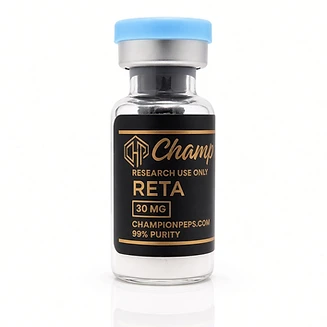
Research use only. Listing a supplier is not an endorsement of any protocol on this site, and nothing sold there is approved for human use.