B7-33 10mg
A synthetic single-chain relaxin-2 mimetic engineered to selectively activate RXFP1 signaling for preclinical anti-fibrotic research.
Mechanism
Selectively activates the RXFP1 receptor by driving pERK1/2 signaling pathways over cAMP accumulation, stimulating MMP-2 expression to degrade excessive fibrotic extracellular matrix.
Dosing
Preclinical laboratory benchmarks commonly reference starting measurements at 250 mcg (5 units on a U-100 syringe).
Reconstitution
Reconstituting a 10 mg vial with 2 mL of bacteriostatic water produces a final working concentration of 5 mg/mL (500 mcg per 0.1 mL).
Storage
Store the lyophilized vial refrigerated away from direct light, and keep the reconstituted solution between 2°C and 8°C without freezing.
Mix & measure B7-33 10mg
Pre-filled with this protocol's recommended BAC water and documented starting dose — edit any field to run your own numbers.
Mix & measure B7-33 10mg
Vial strength → BAC water → target dose
Total doses in vial: 40.0
U-100 syringe: 100 units = 1 mL
Reconstitution math only — not dosing advice. U-100 syringe: 100 units = 1 mL. Advanced calculator →
Dosing Chart
| Phase / Day(s) | Dose & Frequency | Volume (U-100 units / mL) |
|---|---|---|
| Initial Reference Tier | 250 mcg research baseline | 5 units (0.05 mL) |
| Intermediate Reference Tier | 500 mcg research tier | 10 units (0.10 mL) |
| Elevated Reference Tier | 1 mg exploratory tier | 20 units (0.20 mL) |
| Maximum Reference Tier | 2 mg upper boundary | 40 units (0.40 mL) |
Reconstitution Steps
- 1
Disinfect the rubber stoppers on both the B7-33 vial and the bacteriostatic water container using fresh alcohol pads and allow them to air-dry completely.
- 2
Draw precisely 2.0 mL of bacteriostatic water using a sterile syringe.
- 3
Insert the needle at a slight angle and discharge the diluent down the inner glass wall to prevent shearing the lyophilized cake.
- 4
Swirl the vial gently until the peptide dissolves completely into a clear solution, avoiding aggressive shaking.
- 5
Label the vial with the preparation date and immediately place it in refrigerated storage at 2°C to 8°C.
Supplies Needed


Peptide Vial
Lyophilized B7-33 (10 mg) cake to be reconstituted for laboratory experiments.


Insulin Syringes (U-100)
Calibrated 1 mL/100-unit syringes used to measure precise liquid micro-volumes.


Bacteriostatic Water
Sterile diluent preserved with 0.9% benzyl alcohol used to reconstitute the peptide.


Alcohol Swabs
Sterile pads containing 70% isopropyl alcohol to sanitize vial septums prior to access.
Why researchers study it
Anti-fibrotic collagen regulation
Post-ischemic cardiac tissue repair
Reduction of implant fibrotic encapsulation
Biased RXFP1 signaling dynamics
These describe what is being studied, not proven benefits, approved uses, or promised results.
Overview
B7-33 is an engineered, single-chain peptide derivative comprising residues 7 to 33 of the human relaxin-2 B-chain. Unlike native relaxin, which possesses a complex two-chain structure linked by three disulfide bonds, B7-33 is completely linear and free of disulfide bonds. It was developed to overcome the significant synthetic hurdles and limited stability associated with full-length recombinant relaxin while retaining potent tissue remodeling properties. In preclinical research models, B7-33 demonstrates notable anti-fibrotic actions across pulmonary and cardiovascular tissues. By interacting selectively with the RXFP1 receptor, it prompts matrix metalloproteinase production to break down excess collagen without initiating the proliferative cascades linked to full relaxin. The peptide serves primarily as an investigative reagent in the study of fibrotic repair, ischemic injury recovery, and receptor-level signaling dynamics in laboratory settings.
References
- 1.Hossain et al., Chemical Science, 2016 — A single-chain derivative of the relaxin hormone is a functionally selective agonist of the G protein-coupled receptor, RXFP1
- 2.Metra et al., New England Journal of Medicine, 2019 — Effects of Serelaxin in Patients with Acute Heart Failure (RELAX-AHF-2)
- 3.Devarakonda et al., Journal of the American Heart Association, 2020 — B7-33, a functionally selective relaxin receptor 1 agonist, attenuates myocardial infarction-related adverse cardiac remodeling in mice
- 4.Praveen et al., International Journal of Molecular Sciences, 2023 — A lipidated single-B-chain derivative of relaxin exhibits improved in vitro serum stability without altering activity
- 5.Handley et al., International Journal of Molecular Sciences, 2023 — Further developments towards a minimal potent derivative of human relaxin-2
- 6.Welch et al., ACS Applied Materials & Interfaces, 2019 — Coatings releasing the relaxin peptide analogue B7-33 reduce fibrotic encapsulation
- 7.Somanader-Livera et al., Journal of Biomedical Science, 2025 — Immune cell uptake of glycinated nanoparticles conjugated to anti-fibrotic peptides enables their prolonged activity and oral administration
Supplies Needed
Suggested supplier
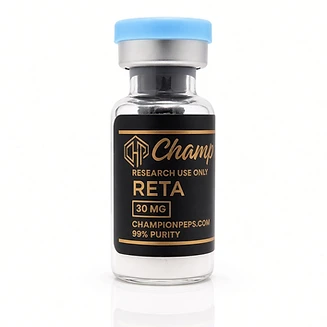
Research use only. Listing a supplier is not an endorsement of any protocol on this site, and nothing sold there is approved for human use.
Related protocols
View allMK-677 25mg
Orally active non-peptide ghrelin receptor agonist investigated for pulsing growth hormone and elevating systemic IGF-1 concentrations.
View ProtocolEPO 3000 IU
Recombinant human erythropoietin evaluated for its role in stimulating erythropoiesis and tissue oxygenation in research models.
View ProtocolSermorelin 10mg
A truncated synthetic GHRH analog studied for its ability to stimulate endogenous pituitary growth hormone secretion in nightly research protocols.
View Protocol