Amycretin 5mg
Dual GLP-1 and amylin receptor agonist investigated for potent satiety induction and body weight regulation.
Mechanism
Amycretin functions as a unimolecular co-agonist of both the GLP-1 and amylin receptor complexes, activating neuroendocrine satiety pathways to suppress appetite, delay gastric emptying, and improve glucose homeostasis.
Dosing
Standard laboratory titration protocols initiate weekly subcutaneous administration at 0.5 mg before escalating based on study requirements.
Reconstitution
Reconstituting a 5 mg vial with 2.0 mL of bacteriostatic water yields a final peptide concentration of 2.5 mg/mL.
Storage
Store the lyophilized peptide refrigerated or frozen protected from light, and keep the reconstituted solution at 2–8°C for experimental use within 28 days.
Mix & measure Amycretin 5mg
Pre-filled with this protocol's recommended BAC water and documented starting dose — edit any field to run your own numbers.
Mix & measure Amycretin 5mg
Vial strength → BAC water → target dose
Total doses in vial: 10.0
U-100 syringe: 100 units = 1 mL
Reconstitution math only — not dosing advice. U-100 syringe: 100 units = 1 mL. Advanced calculator →
Dosing Chart
| Phase / Day(s) | Dose & Frequency | Volume (U-100 units / mL) |
|---|---|---|
| Weeks 1–2 | 0.5 mg (1× weekly) | 20 units (0.20 mL) |
| Weeks 3–4 | 1.0 mg (1× weekly) | 40 units (0.40 mL) |
| Weeks 5–6 | 1.5 mg (1× weekly) | 60 units (0.60 mL) |
| Weeks 7+ | 2.5 mg (1× weekly) | 100 units (1.00 mL) |
Reconstitution Steps
- 1
Swab the rubber stoppers of both the Amycretin vial and the bacteriostatic water vial using sterile alcohol pads and allow to air dry.
- 2
Draw 2.0 mL of bacteriostatic water using an appropriate sterile syringe.
- 3
Insert the needle into the Amycretin vial at an angle, directing the fluid slowly down the glass wall rather than forcefully onto the lyophilized cake.
- 4
Gently swirl the vial in circular motions until the lyophilized powder is completely dissolved; avoid shaking vigorously.
- 5
Date the vial and store the reconstituted solution in a laboratory refrigerator at 2–8°C.
Supplies Needed


Peptide Vial
Lyophilized Amycretin (5 mg) container requiring reconstitution.


Insulin Syringes (U-100)
Precision measurement and administration of calibrated research doses.


Bacteriostatic Water
Sterile diluent (2.0 mL) used to solubilize the lyophilized peptide.


Alcohol Swabs
Disinfecting vial septa and injection surfaces prior to handling.
Why researchers study it
Substantial weight reduction via combined incretin and amylin signaling
Glycemic control and HbA1c reduction in metabolic models
Evaluation of unimolecular dual-agonist pharmacology
These describe what is being studied, not proven benefits, approved uses, or promised results.
Overview
Amycretin is an investigational unimolecular peptide engineered to concurrently co-activate the GLP-1 and amylin (CTR-RAMP) receptor pathways. Originally designed to address metabolic dysregulation and obesity, this dual-mechanism molecule integrates peripheral and central satiety cascades to enhance appetite control beyond single-target incretin analogs. Early clinical and preclinical investigations highlight its capacity to substantially suppress caloric intake, slow gastric transit, and promote significant reductions in adiposity. Additionally, the co-activation of these complementary signaling axes supports enhanced glycemic control and reductions in HbA1c in models of metabolic dysfunction. Because of its potent pharmacological activity, experimental protocols employ gradual dose escalation to mitigate gastrointestinal side effects. The compound remains strictly a research agent intended for in vitro and in vivo laboratory investigations and is not cleared for therapeutic or clinical application.
References
- 1.Dahl et al., The Lancet, 2025 — Randomised, controlled phase 1b/2a study of once-weekly subcutaneous amycretin demonstrating weight reduction
- 2.The Lancet Commentary, The Lancet, 2025 — Rationale for combining GLP-1 and amylin agonism in a single molecule
- 3.Novo Nordisk, Press Release, 2025 — Advancement of subcutaneous and oral amycretin into Phase 3 clinical trials
- 4.PMC Review, PMC, 2024 — Physiology of amylin receptor agonism and synergy with GLP-1 signaling
- 5.Novo Nordisk, BioSpace Release, 2025 — Phase 2 outcomes of amycretin in glycemic control and type-2 diabetes
Supplies Needed
Suggested supplier
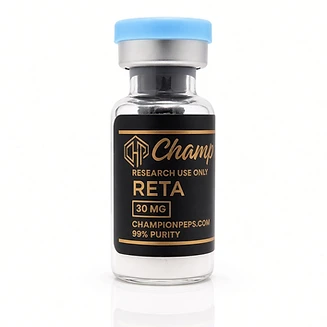
Research use only. Listing a supplier is not an endorsement of any protocol on this site, and nothing sold there is approved for human use.
Related protocols
View allCagrilintide 10mg
A long-acting synthetic amylin analogue investigated for neuroendocrine satiety signaling, gastric kinetics, and body composition regulation.
View ProtocolCagriSema 10mg (5+5 mg)
An investigational co-formulated dual-action blend combining the amylin analog cagrilintide with GLP-1 agonist semaglutide.
View ProtocolCagrilintide 5mg
Synthetic, long-acting dual amylin and calcitonin receptor agonist under investigation for metabolic regulation and weight reduction.
View Protocol