AICAR 50mg
AMP-mimetic research agent that activates AMPK pathways to stimulate cellular energy expenditure, fatty-acid oxidation, and endurance signaling.
Mechanism
AICAR acts as an AMP-mimetic to stimulate AMP-activated protein kinase (AMPK), shifting cellular metabolism toward fatty-acid oxidation and triggering mitochondrial biogenesis pathways.
Dosing
Standard laboratory protocols document an introductory daily amount of 1 mg (1,000 mcg) administered once every 24 hours.
Reconstitution
Reconstituting a 50 mg vial with 3.0 mL of bacteriostatic water produces an approximate concentration of 16.67 mg/mL.
Storage
Store the unmixed lyophilized powder at -20 °C protected from illumination, and maintain the reconstituted liquid refrigerated at 2–8 °C for up to 28 days without freezing.
Mix & measure AICAR 50mg
Pre-filled with this protocol's recommended BAC water and documented starting dose — edit any field to run your own numbers.
Mix & measure AICAR 50mg
Vial strength → BAC water → target dose
Total doses in vial: 50.0
U-100 syringe: 100 units = 1 mL
Reconstitution math only — not dosing advice. U-100 syringe: 100 units = 1 mL. Advanced calculator →
Dosing Chart
| Phase / Day(s) | Dose & Frequency | Volume (U-100 units / mL) |
|---|---|---|
| Weeks 1–2 | 1,000 mcg / 1 mg (1× daily) | ~6 units (0.06 mL) |
| Weeks 3–4 | 2,000 mcg / 2 mg (1× daily) | ~12 units (0.12 mL) |
| Weeks 5–8 | 3,000 mcg / 3 mg (1× daily) | ~18 units (0.18 mL) |
Reconstitution Steps
- 1
Draw 3.0 mL of bacteriostatic water using a sterile syringe.
- 2
Gently inject the diluent along the interior glass wall of the AICAR vial to minimize agitation.
- 3
Carefully swirl or roll the vial until all lyophilized cake is fully dissolved, avoiding shaking.
- 4
Mark the vial with the preparation date and concentration (~16.67 mg/mL), then transfer immediately to refrigerated storage at 2–8 °C.
Supplies Needed


Peptide Vial
AICAR lyophilized powder (50 mg vial) for laboratory preparation


Insulin Syringes (U-100)
U-100 (1 mL) syringes for precise micro-volume administration and measurement


Bacteriostatic Water
Sterile diluent providing 3.0 mL per vial for reconstitution


Alcohol Swabs
Antiseptic wipes used to sterilize vial stoppers and work surfaces
Why researchers study it
Endurance & exercise performance signaling
Fat metabolism & cellular lipolysis
Mitochondrial biogenesis and function
AMPK-mediated glucose uptake and insulin sensitivity
These describe what is being studied, not proven benefits, approved uses, or promised results.
Overview
AICAR (5-aminoimidazole-4-carboxamide ribonucleotide), structurally related to adenosine monophosphate, serves as an investigational compound recognized for its role as an exercise mimetic in experimental biology. By imitating cellular energy deficits, it acts on primary metabolic controllers to alter downstream fuel utilization without requiring physical exertion in preclinical models. Historically evaluated under the name acadesine during clinical investigations into perioperative cardioprotection, the substance did not attain market authorization for human therapeutic applications. Current scientific inquiries center entirely on its direct interactions with energy homeostasis, mitochondrial remodeling, and the cellular mechanisms driving skeletal muscle adaptation. All shared parameters are designated exclusively for bench-level and in vitro analytical experimentation. AICAR remains an unapproved chemical entity strictly prohibited in competitive athletics by global anti-doping bodies and is entirely unsuitable for human or clinical consumption.
References
- 1.Narkar et al., Cell Metabolism, 2008 — AMPK and PPARδ agonists regulate the endurance phenotype
- 2.Salk Institute, Cell, 2008 — AICAR improved running endurance in sedentary mice
- 3.European Heart Journal, PubMed — Phase III cardioprotection trials of acadesine in cardiac surgery
- 4.WADA, Prohibited List, 2009 — Classification of AICAR / AMPK activators (S4.5 metabolic modulators)
Supplies Needed
Suggested supplier
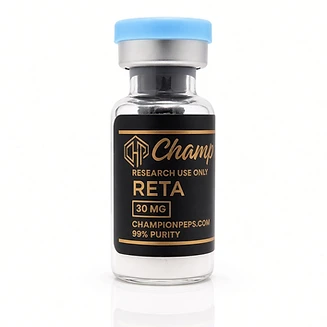
Research use only. Listing a supplier is not an endorsement of any protocol on this site, and nothing sold there is approved for human use.
Related protocols
View allSelank 10mg
Synthetic tuftsin-derived heptapeptide studied for anxiolytic, nootropic, and neurochemical modulatory properties in research settings.
View ProtocolPEG-MGF 2mg
A pegylated mechano growth factor analogue investigated in preclinical models for myogenic satellite cell recruitment and tissue repair.
View ProtocolSYN-AKE 200mg
A synthetic tripeptide cosmetic derivative studied for dynamic expression lines, targeting muscle nicotinic acetylcholine receptor pathways.
View Protocol