PT-141 10mg
A synthetic melanocortin receptor agonist evaluated in clinical and laboratory models for centrally regulated libido and sexual response.
Mechanism
PT-141 functions as a central melanocortin receptor agonist, primarily stimulating MC4R pathways within the hypothalamus to modulate neurochemical signals governing sexual motivation and physiological arousal.
Dosing
Standard laboratory reference protocols describe an initial test dose of 1 mg administered subcutaneously roughly 45 minutes prior to experimental observation.
Reconstitution
Reconstituting a 10 mg vial with 2.0 mL of bacteriostatic water yields a clear working solution with a final concentration of 5 mg/mL (50 mcg per U-100 unit).
Storage
Store unmixed lyophilized vials frozen at -20 °C, and keep the reconstituted solution refrigerated at 2–8 °C protected from light without refreezing.
Mix & measure PT-141 10mg
Pre-filled with this protocol's recommended BAC water and documented starting dose — edit any field to run your own numbers.
Mix & measure PT-141 10mg
Vial strength → BAC water → target dose
Total doses in vial: 10.0
U-100 syringe: 100 units = 1 mL
Reconstitution math only — not dosing advice. U-100 syringe: 100 units = 1 mL. Advanced calculator →
Dosing Chart
| Phase / Day(s) | Dose & Frequency | Volume (U-100 units / mL) |
|---|---|---|
| Initial Test Dose | 1 mg as needed (~45 min prior to observation) | 20 units (0.20 mL) |
| Intermediate Titration | 1.5 mg as needed (~45 min prior to observation) | 30 units (0.30 mL) |
| Standard Target Dose | 2 mg as needed (~45 min prior to observation) | 40 units (0.40 mL) |
Reconstitution Steps
- 1
Aspirate exactly 2.0 mL of bacteriostatic water using a sterile syringe.
- 2
Introduce the diluent into the 10 mg PT-141 vial by directing the liquid slowly down the glass wall.
- 3
Gently rotate or roll the vial until the lyophilized cake is fully dissolved, avoiding agitation or foaming.
- 4
Document the preparation date and resulting concentration (5 mg/mL) on the vial label.
- 5
Transfer the solution to cold storage between 2 °C and 8 °C, shielded from ambient light exposure.
Supplies Needed


Peptide Vial
Lyophilized PT-141 10 mg research container


Insulin Syringes (U-100)
Calibrated 1 mL syringes for precise measurement of 20 to 40 unit draw volumes


Bacteriostatic Water
2.0 mL of sterile diluent containing 0.9% benzyl alcohol for peptide reconstitution


Alcohol Swabs
Used to sanitize the vial stopper prior to puncture and clean the subcutaneous injection site
Why researchers study it
Libido and sexual desire pathways
Erectile dysfunction models
Female sexual arousal mechanisms
Central melanocortin-4 receptor (MC4R) signaling
These describe what is being studied, not proven benefits, approved uses, or promised results.
Overview
PT-141, chemically known as bremelanotide, is a synthetic cyclic heptapeptide analog derived from alpha-melanocyte-stimulating hormone (alpha-MSH). Initially isolated during investigations into sunless tanning peptides, researchers observed that the compound exerted pronounced behavioral effects on sexual desire and autonomic arousal. Unlike peripheral agents that manipulate vascular hemodynamics, PT-141 operates directly via the central nervous system to modulate neurochemical signaling. The peptide demonstrates high binding affinity for central melanocortin receptors, primarily the melanocortin-4 receptor (MC4R) located within hypothalamic nuclei. In clinical investigations, pharmaceutical formulations of bremelanotide gained regulatory approval specifically for hypoactive sexual desire disorder in premenopausal women, while scientific interest continues into its potential modulation of erectile pathways, female sexual arousal, and hypothalamic control of energy homeostasis. In preclinical and laboratory research environments, PT-141 is typically supplied in a lyophilized format within a 10 mg multidose vial. Investigators employ an as-needed research schedule paired with strict frequency parameters to balance receptor engagement while minimizing potential transient vascular and dermatologic reactions documented in trial literature.
References
- 1.FDA Prescribing Information, Drugs@FDA, 2019 — Bremelanotide (Vyleesi) prescribing information, dosing limits, and safety precautions
- 2.Kingsberg et al., Obstetrics & Gynecology, 2019 — RECONNECT Phase 3 clinical trials evaluating subcutaneous bremelanotide for HSDD
- 3.CDC, Vaccine Administration Guidelines, 2021 — Clinical recommendations for subcutaneous injection technique and angle
- 4.MedlinePlus, NIH Patient Guidance, 2022 — Standard procedures for subcutaneous self-administration and site hygiene
- 5.Spana et al., Diabetes, Obesity & Metabolism, 2022 — Exploratory Phase 1 study of bremelanotide MC4R agonism on caloric intake and weight
- 6.Usach et al., Advances in Therapy, 2019 — Evaluation of subcutaneous injection volume tolerability and administration parameters
- 7.Cheng et al., AAPS Open, 2024 — Stability profiles and storage parameters of reconstituted lyophilized therapeutic peptides
Supplies Needed
Suggested supplier
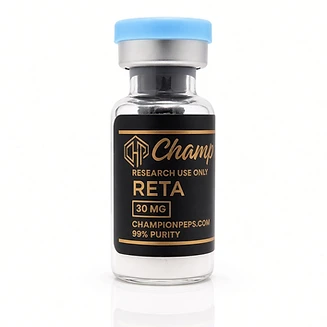
Research use only. Listing a supplier is not an endorsement of any protocol on this site, and nothing sold there is approved for human use.