N-Acetyl Semax Amidate 0.1% / 1%
A structurally stabilized, synthetic heptapeptide variant investigated for neuroprotection, neurotrophin expression, and cognitive modulation.
Mechanism
Stimulates the transcription and synthesis of neurotrophic factors including BDNF and NGF while modulating CREB expression and mitigating inflammatory signaling within ischemic neuronal tissues.
Dosing
Protocols typically initiate experimentation with a few intranasal drops of a 0.1% solution administered once or twice per day.
Reconstitution
Supplied as a ready-to-use intranasal solution (0.1% to 1% concentration), requiring no reconstitution with bacteriostatic water.
Storage
Store the tightly sealed nasal bottle in a refrigerated environment protected from light and heat to maintain structural integrity.
Mix & measure N-Acetyl Semax Amidate 0.1% / 1%
Pre-filled with this protocol's recommended BAC water and documented starting dose — edit any field to run your own numbers.
Mix & measure N-Acetyl Semax Amidate 0.1% / 1%
Vial strength → BAC water → target dose
Total doses in vial: —
U-100 syringe: 100 units = 1 mL
Reconstitution math only — not dosing advice. U-100 syringe: 100 units = 1 mL. Advanced calculator →
Dosing Chart
| Phase / Day(s) | Dose & Frequency | Volume (U-100 units / mL) |
|---|---|---|
| Baseline Evaluation | 1–2 drops (0.1% solution) per nostril, 1× daily | N/A (Intranasal drops) |
| Maintenance Phase | 2–3 drops (0.1%–1% solution) per nostril, 1–2× daily | N/A (Intranasal drops) |
| Clinical Comparison Course | ~6000 mcg/day divided (Semax stroke model) for 10 days | N/A (Intranasal delivery) |
Reconstitution Steps
- 1
Verify the product is supplied as a pre-formulated intranasal spray or drop solution at a defined concentration (0.1% or 1%).
- 2
No bacteriostatic water or diluent reconstitution is needed; preserve the factory seal until experimental deployment.
- 3
Ensure the nasal applicator or delivery dropper is clean, dry, and free of foreign particulate matter before opening.
- 4
Prior to delivery in laboratory models, confirm clear nasal passages to allow unimpeded mucosal contact.
- 5
Secure the container immediately following experimental administration and return to temperature-controlled storage.
Supplies Needed


Peptide Vial
Finished intranasal dropper or spray container containing stabilized N-Acetyl Semax Amidate solution.


Insulin Syringes (U-100)
Not applicable for this protocol; compound is delivered exclusively via mucosal intranasal application.


Bacteriostatic Water
Not required; solution is pre-formulated and ready for direct laboratory intranasal application.


Alcohol Swabs
Employed to sanitize applicator tips, exterior dropper nozzles, and the laboratory prep area.
Why researchers study it
Investigation of cognitive facilitation and focus pathways
Cellular neuroprotection against cerebral ischemia
Upregulation of BDNF, NGF, and neurotrophin receptors
Assessment of prolonged biological half-life via end-capping
These describe what is being studied, not proven benefits, approved uses, or promised results.
Overview
N-Acetyl Semax Amidate is an engineered derivative of Semax, an adrenocorticotropic hormone fragment analog [ACTH(4-7)-Pro-Gly-Pro] originally designed to provide central nervous system support without corticotropic endocrinological effects. The peptide sequence is chemically shielded through N-terminal acetylation and C-terminal amidation. These structural modifications are intended to diminish vulnerability to endogenous exopeptidases, thereby significantly prolonging the peptide's functional half-life and augmenting its biological activity relative to the parent molecule. In preclinical neurobiological models, the pharmacodynamic profile of the compound mirrors that of standard Semax, centered upon the stimulation of endogenous neurotrophic pathways, specifically brain-derived neurotrophic factor (BDNF) and nerve growth factor (NGF). The stabilized derivative is principally studied via intranasal delivery pathways to facilitate direct central nervous system distribution without requiring systemic metabolic transit or invasive parenteral administration. Because dedicated controlled clinical trials for the acetylated amidate analog remain limited, researchers heavily extrapolate baseline biochemical data from the broader parent Semax corpus. Experimental investigations primarily focus on cerebral ischemia paradigms, neurodegenerative pathways, stress resilience models, and executive cognitive functioning under simulated neurological strain.
References
- 1.Sudarkina et al., Int J Mol Sci, 2021 — Brain protein expression confirms the protective effect of Semax in a rat model of cerebral ischemia-reperfusion
- 2.Inozemtseva et al., Eur J Pharmacol, 2024 — Antidepressant-like and antistress effects of the ACTH(4-10) analog Semax in chronic unpredictable stress
- 3.Gusev et al., Zh Nevrol Psikhiatr im S.S. Korsakova, 2018 — Efficacy of Semax in patients at different stages of ischemic stroke
- 4.Stavchansky et al., Mol Biol (Mosk), 2011 — Effect of Semax and its C-end peptide PGP on neurotrophins and receptors in rat brain during ischemia
Supplies Needed
Suggested supplier
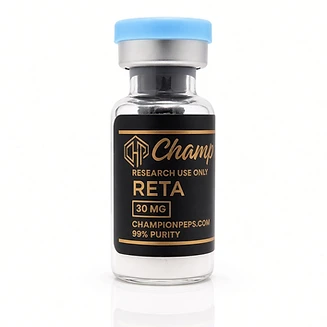
Research use only. Listing a supplier is not an endorsement of any protocol on this site, and nothing sold there is approved for human use.